The idea of using a friend as a sperm donor resonates deeply with many LGBTQ+ families — it feels personal, meaningful, and connected to the values of chosen family that so many queer people hold dear. Known donation can be a beautiful arrangement, but it requires honest conversations, careful medical planning, and proactive legal protection to work well for everyone involved, including the child.
Having the Essential Conversations First
Before any medical or legal steps, the conversations between intended parents and a known donor must be thorough, honest, and forward-looking. Key topics to cover include: What role, if any, will the donor have in the child’s life? How will the child be told about the donor? What happens if the intended parents separate? What if the donor’s life circumstances change — marriage, relocation, a new partner’s discomfort with the arrangement? What are the donor’s expectations around acknowledgment, updates, and contact?
These conversations often reveal important information about alignment of values and expectations. Significant misalignment — for example, if the donor privately hopes for an ongoing parenting role while the intended parents envision no involvement — creates conflict that no legal agreement can fully prevent. A single session with a therapist or mediator experienced in donor conception and LGBTQ+ families can facilitate this conversation and surface misalignments in a structured, supportive environment. Many families report that working through this process made their known donor arrangement more clearly defined and their relationship with the donor stronger.
Medical Screening for a Known Donor
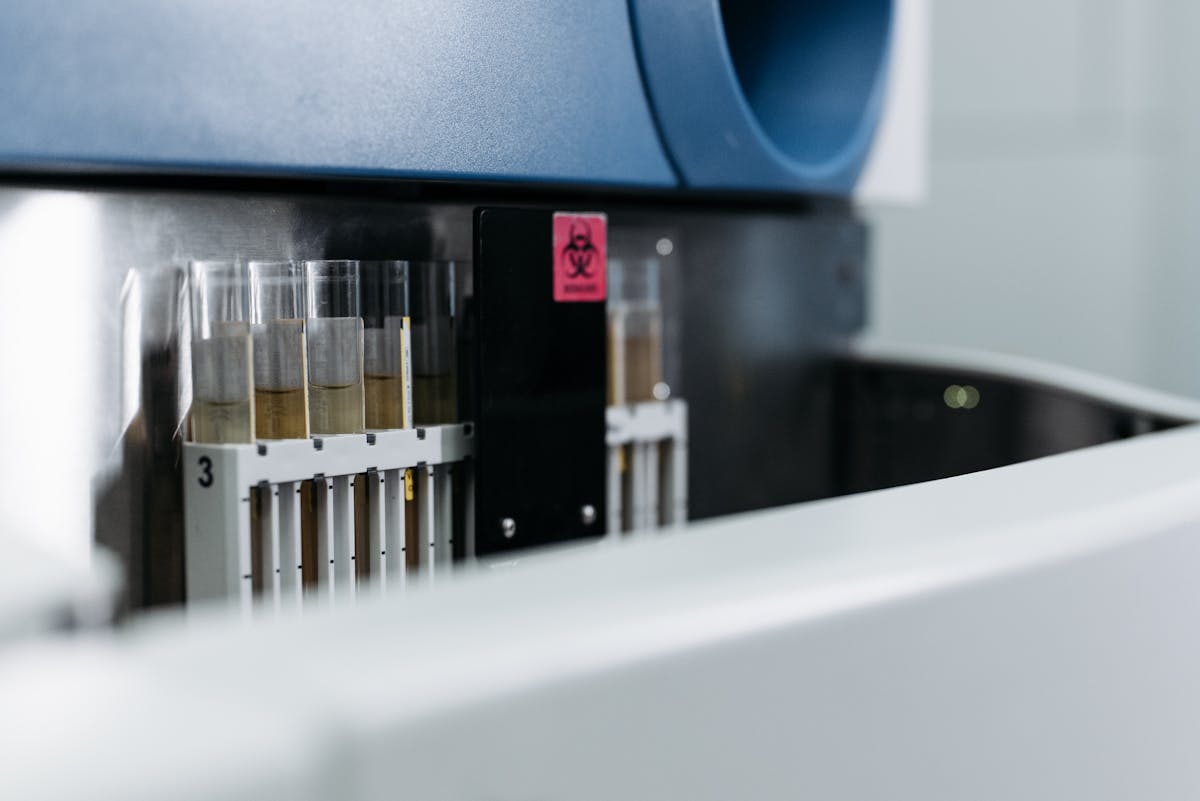
FDA regulations require that known sperm donors be screened for communicable diseases including HIV-1 and HIV-2, HTLV-I and II, hepatitis B and C, syphilis, gonorrhea, chlamydia, and CMV. For anonymous donor sperm from licensed banks, banks handle this screening. For known donors, the intended parents must arrange this testing through a fertility clinic or reproductive urologist. Testing typically requires a 6-month quarantine period for anonymous donors, but this requirement can be waived for directed (known) donors with appropriate documentation.
In addition to infectious disease screening, a comprehensive genetic carrier screening panel (200–500 conditions) is strongly recommended for any known donor. The results inform whether the egg provider is also a carrier for any of the same conditions, which would affect the risk of an affected child. A semen analysis — measuring sperm count, motility, morphology, and volume — assesses whether the donor’s sperm quality is adequate for home ICI or if IUI or IVF might be needed for best results. Results of all testing should be reviewed with a physician before proceeding.
The Legal Framework Is Non-Negotiable
No matter how close your friendship with your donor, a written legal agreement executed by all parties before insemination is non-negotiable. This is not a sign of distrust — it is a reflection of how much you care about the child’s future stability and the preservation of your relationship with the donor. The agreement should clearly state the donor’s relinquishment of parental rights, the intended parent(s)’ full parental responsibility, and the terms of any agreed contact or information sharing. Both parties should have independent legal counsel review and advise on the agreement.
Even after a signed agreement, the non-biological parent in a same-sex couple should pursue second-parent adoption to establish legal parentage through a court order rather than relying solely on the contractual agreement and/or birth certificate. This is the most legally durable protection available. Courts in virtually all US states will recognize a valid adoption decree, providing protection that follows your family across state lines, in international settings, and through political changes in your home state.
Managing the Ongoing Relationship
After a child is born through known donation, the relationship between the family and the donor requires ongoing navigation. The most successful known donor arrangements are those where boundaries were clearly established in advance and are respected over time. Some donors become “Uncle David” or “Donor Mike” — known to the child as part of their origin story but not a parental figure. Others have no ongoing contact. Some arrangements include annual updates or photos. Whatever the arrangement, consistency and clarity serve the child’s developing understanding of their family structure best.
Children’s curiosity about their donor — especially as they enter school age and begin comparing family structures — should be met with honest, age-appropriate information. Children who know their donor personally often have a more concrete and positive understanding of their origins than those with anonymous donors. However, the role of the donor must be explained clearly and consistently: this person helped make you, but your parents are [names]. Connecting with other LGBTQ+ families who have used known donors — through the Donor Sibling Registry community, Family Equality Council, or online groups — offers valuable perspective on navigating these conversations as children grow.
For a complete at-home insemination solution, the MakeAmom Babymaker Kit includes everything you need for a properly timed, sterile ICI cycle. For a complete at-home insemination solution, the MakeAmom Cryobaby Kit includes everything you need for a properly timed, sterile ICI cycle.
Further reading across our network: HomeInsemination.gay · IntracervicalInsemination.org · MakeAmom.com
This article is for educational purposes only and does not constitute medical advice. Always consult a qualified healthcare provider before making decisions about your fertility care.