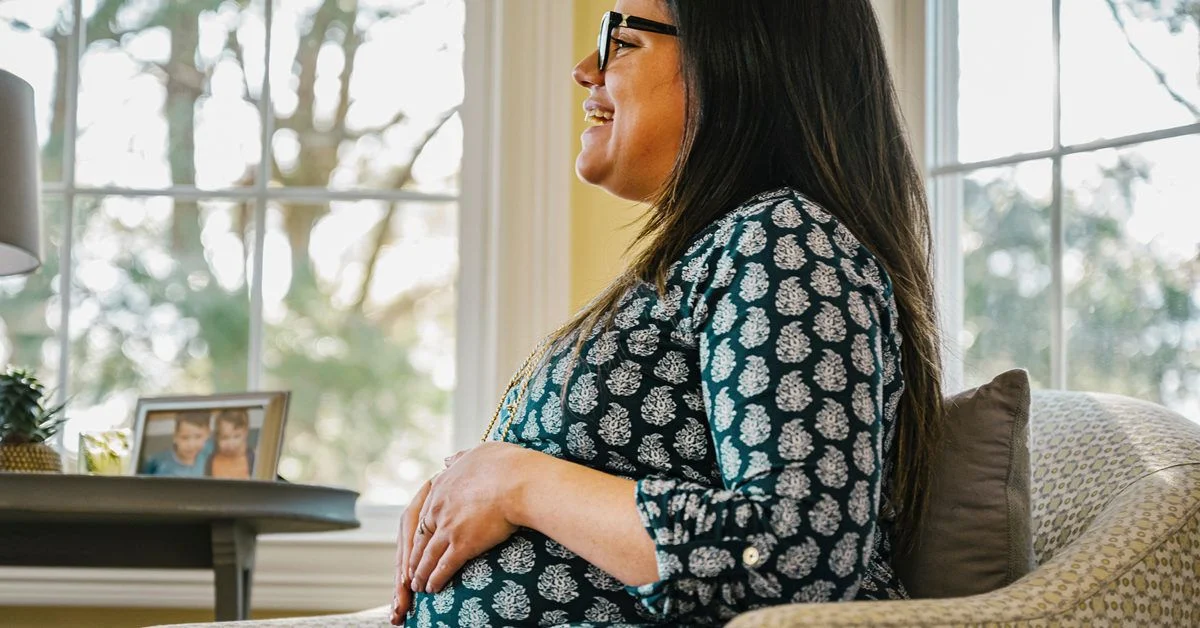
A new approach to C-sections might just offer mothers that “natural” birth experience they’ve been dreaming of. This summer, doctors in the UK are set to trial a revolutionary technique known as the “slow” C-section, which aims to create a healthier environment for newborns and a more fulfilling experience for parents. This innovative method reduces the barriers typically found in traditional C-sections, allowing the birth to feel much closer to a natural delivery.
As reported by The Daily News, this gentler surgical process allows the baby to partially emerge from the womb and take its time making its grand entrance, rather than being whisked away by an obstetrician immediately. After this “slow” birth, the baby is placed directly on the mother’s chest, enhancing bonding time. The slower delivery may also benefit the newborn’s respiratory health, as C-section babies often face breathing issues due to the abrupt nature of traditional births.
Check out a captivating video of a “natural” C-section performed at a London hospital. Just a heads up—while it’s joyful and heartwarming, it does have some graphic moments.
This groundbreaking procedure will begin testing at University College Hospital in Central London and is already available in select private clinics, having been pioneered at two London hospitals around a decade ago. While one goal of this trial is to address the increasing C-section rates among women, the initiative stems from a deeper desire to improve the birthing experience for mothers.
Consultant midwife Clara Thompson explains, “Many women report a stronger bond with their babies following a skin-to-skin C-section, and there’s evidence suggesting it can reduce various post-birth complications. The demand for this type of delivery is on the rise, and I frequently hear from women eager to try it.”
Midwife Sarah Johnson highlights additional advantages of this slower approach, saying, “It’s about the mother. Once the incision is made, she can witness her baby wriggling out. It’s a precious moment that’s often missed. The baby can stay in the abdomen for up to four minutes, allowing the mother to gaze at their little face before they emerge.”
Now, doesn’t that sound wonderful? Watching that video, it’s hard not to notice how relaxed and joyful the mother appears. This could be an incredible alternative for moms who feel they missed out on the natural birth experience. For those who can handle the sights of a surgical birth, this might just be the perfect choice for women looking for a more engaged C-section experience.
However, not every mom will be on board. Personally, I had two C-sections—both planned and uneventful. My partner, with an adventurous spirit and a strong stomach, eagerly leaned over to catch a glimpse of the action, snapping photos of my exposed abdomen that I still haven’t mustered the courage to look at. While this new method could be ideal for some, I preferred the safety of the curtain, the skilled hands of the surgeons, and the immediate scoop-up of my baby rather than watching them slither out like some sci-fi scene. We all have our own preferences for the right birth experience, and that’s perfectly fine.
That being said, hats off to the women who find this procedure appealing! It’s heartening to see medical advancements that prioritize the well-being of both mother and child while also accommodating personal preferences. This could truly benefit those who have had challenging birth experiences, helping them feel more empowered rather than depressed about their surgical deliveries. Here’s hoping the trials yield successful results and that this concept spreads like wildfire.
For more insights on pregnancy and home insemination, check out this excellent resource from the CDC. And if you’re curious about boosting fertility, consider visiting Make a Mom for their authority on fertility supplements.
Summary
A new “slow” C-section technique being trialed in the UK aims to provide mothers with a more natural birthing experience, allowing babies to emerge gradually and enhancing bonding time. While it’s an exciting option for some, birth preferences vary among women. Overall, medical advancements like this are promising for improving the birthing experience and supporting mothers.