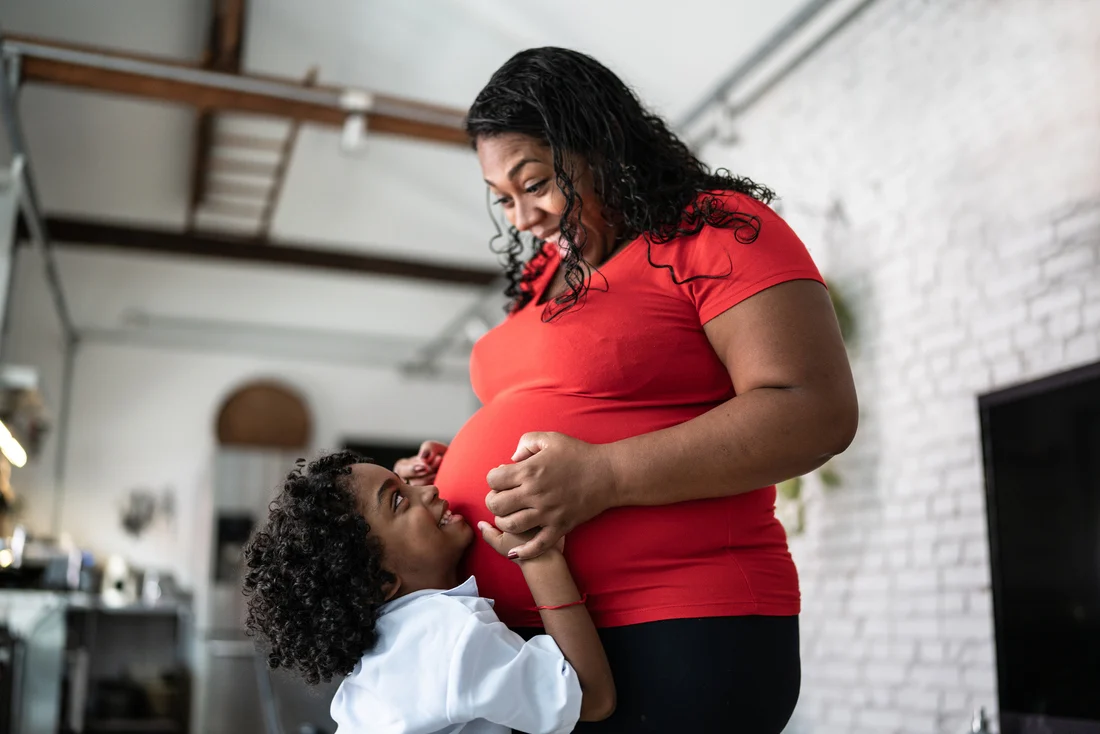
Pregnancy is often viewed as a joyful time, but for some, it can bring up complex emotions. I was excited about having a baby, yet I felt a swirl of anger and violation within me. Why was I struggling? Thankfully, I had a compassionate doctor who helped me navigate these feelings. I hesitated to discuss my history of sexual abuse, but my OB was perceptive and pointed out that pregnancy could evoke heightened emotional responses. “Many women with similar experiences feel as if they’ve been assaulted by their baby,” she explained.
Admitting these emotions can be tough, but it’s important to recognize that pregnancy can lead to flashbacks and increase the risk of postpartum depression for survivors. Routine exams and tests can heighten feelings of vulnerability and violation. My doctor understood my situation and helped me access resources while minimizing triggers. Here are some strategies to help manage your pregnancy journey if you’ve faced past abuse:
-
Create a Customized Birth Plan
Every survivor should carefully consider their options. My doctor offered the choice of a C-section, but that wasn’t right for me. Instead, we scheduled an induction, which helped me mentally prepare for labor. We also planned for an epidural to manage pain and reduce the chance of a traumatic experience. I decided to skip birthing classes since they felt overwhelming and could trigger bad memories. Collaborate with your healthcare provider to develop a birth plan that feels right for you—there’s no one-size-fits-all approach. -
Don’t Hesitate to Seek Support
During my pregnancy, I had to visit the hospital for a shot due to my negative blood type. The nurse brought in a student to administer it, and I felt uneasy about speaking up. It was important to remember that advocating for myself was not selfish; they were focused on my well-being too. -
Take Charge of Your Care
Medical exams can be distressing. My doctor always informed me before any physical contact, which gave me a sense of control. There was one particularly tough test; after several unsuccessful attempts, I ended up performing it myself in a private space. Later, when I learned I hadn’t healed correctly post-birth, my OB arranged for sedation during the procedure to minimize emotional stress. It’s vital to have open conversations with your OB to safeguard against reliving past traumas. -
Remember, It’s Temporary
Although I knew my pregnancy would be challenging, I feared I’d be permanently changed. I thought that even when physical pain subsided, I’d always feel a bit sadder. But eventually, after a follow-up surgery, I felt a significant shift. It’s crucial to hold onto hope that things can improve. -
Take a Breather
When feeling overwhelmed, don’t hesitate to ask for a timeout. Whether you need to sip water, take deep breaths, or squeeze your partner’s hand, do whatever helps you regain control during uncomfortable moments. -
Release Your Expectations
Pregnancy can be a rollercoaster of emotions, especially when past trauma resurfaces. I had nights filled with flashbacks and days when I struggled to feel excited about my baby. That’s okay. It’s crucial to embrace your feelings and talk to those who understand your journey. Let go of the pressure to meet certain expectations; after all, if your best effort is just getting through, you’ll still have a precious baby who loves you unconditionally. That’s a huge win!
For more insights on managing pregnancy challenges, check out this helpful blog post and consider exploring fertility resources like this fertility booster for men to support your journey. Additionally, if you’re looking for more guidance, this article is an excellent resource for understanding what to expect during your first insemination process.
In summary, navigating pregnancy after experiencing sexual abuse can be challenging, but with the right support, a personalized birth plan, and self-advocacy, it is possible to manage these feelings and enjoy the journey to motherhood.