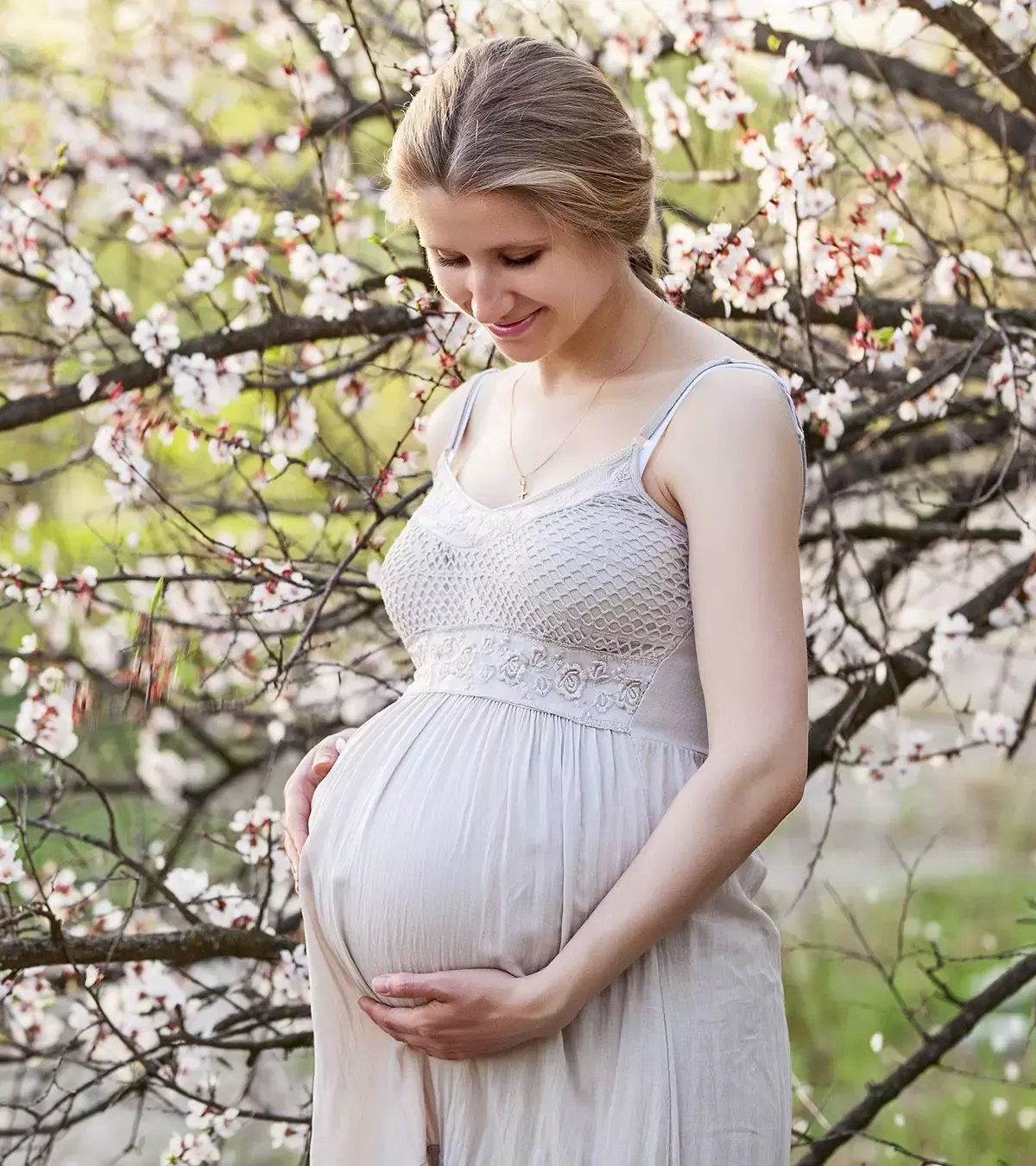
At 34, I found out I was pregnant — a surprise that sent my heart racing and my mind spinning. We were caught off guard, but hey, that’s life, right? Everyone always says you can’t really plan these things, and somehow, it all works out. So, off to the doctor we went, starting to entertain the idea of parenthood. Then came the crushing blow: a miscarriage.
It was early — just six weeks along — and that’s the tricky part of being in tune with your body. My OB informed me that many women experience early miscarriages without even realizing it. They simply think they’re late, followed by a heavier-than-usual period. But we knew, and when that heavy bleeding hit, I knew exactly what was happening.
Fast forward three months, and here we go again. Another pregnancy test yields a positive result, and we’re back at the doctor’s office. Blood tests seem fine until I start experiencing weird pains and bleeding. A trip to the ER reveals it’s ectopic, meaning the embryo is stuck in my fallopian tube. Cue the panic. If it grows too much, it could rupture the tube, and yikes, that’s not a good scenario.
Luckily, it was small enough for me to avoid a tube removal. Instead, they gave me a shot of Methotrexate — a cancer drug that stops rapidly dividing cells. The shot hurt like a son of a gun, and then I was sent home with a warning: no getting pregnant for a couple of months, or I could face birth defects.
A year passed, and I’m now 35, ready to try again. Month after month of negative tests started to wear on me. I couldn’t shake the feeling that the Methotrexate had messed up my chances. But then, the moment of joy — a positive pregnancy test!
Getting pregnant again after a miscarriage is a rollercoaster of anxiety. You’re constantly waiting for the worst to happen. My first few doctor visits were filled with apprehension, but when we finally saw a heartbeat, I breathed a little easier.
A major milestone for expecting moms is the 12-week ultrasound. It’s the point where you can start to feel safe about sharing the news. I kept my pregnancy mostly under wraps, sharing only with family and close friends. But exactly one day before that pivotal ultrasound, I started bleeding heavily.
Back to the ER we went, and the experience was terrifying. The bleeding was intense, and as I sat there, I could feel panic creeping in. The nurse reassured me that this was “totally normal.” Wait, what? Totally normal? Turns out, she wasn’t joking. The statistics are staggering: one in four pregnancies ends in miscarriage, which means approximately 500,000 women in the U.S. each year experience this heart-wrenching loss.
You’d think I’d be aware of this given my interest in women’s health, but why hadn’t anyone talked about what a miscarriage actually feels like? It’s not just a clinical term; it’s a painful experience that often feels like failure. I felt like I’d let myself down.
And let’s not forget the emotional aftermath. You don’t just lose a pregnancy; you lose the dreams and hopes tied to that tiny life. Returning to normalcy feels almost impossible, as if nothing ever happened, while your heart is still grappling with the loss.
If you’re in the thick of this right now, know that you will survive. Women are incredibly resilient, and despite the heartache, many of us go on to have healthy children. After two miscarriages and an ectopic pregnancy, I ultimately welcomed two beautiful babies at 38 and 40.
Let’s start talking about these experiences with each other. We owe it to ourselves to share our stories. They are part of our journey as women and should not be silenced. If you find yourself bleeding heavily in the process, remember you’re not dying. It’s a common, albeit painful, experience.
For more insights into pregnancy and home insemination, you can check out this excellent resource on what to expect during your first IUI. And if you’re looking for a comprehensive guide, the at-home insemination kit can be a solid choice for your journey.
Summary
This post discusses the emotional and physical challenges of experiencing miscarriage, emphasizing the importance of sharing these narratives among women. The author recounts her personal journey through pregnancy loss, highlighting the need for open conversations and support.