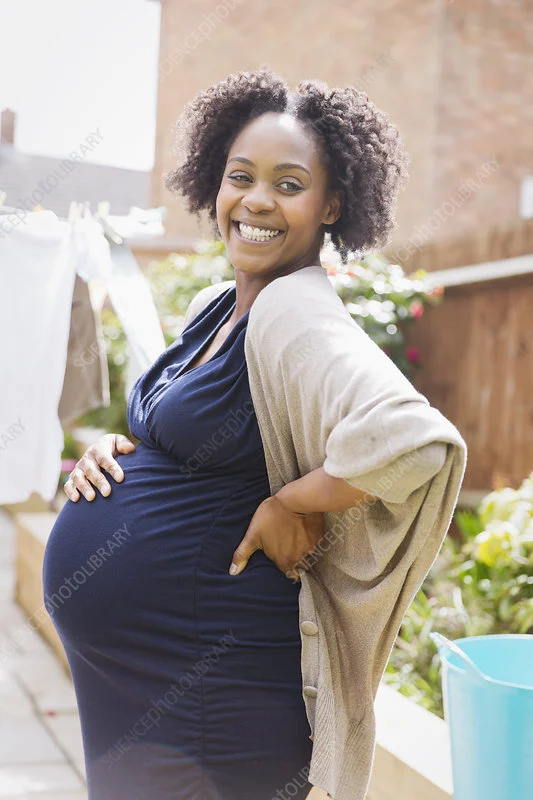
Somehow, after giving birth, I’ve magically transformed into a guru on parenting and the joys it can bring. Just kidding—I’m not an expert on anything! But if you heard the frequent question I get from friends mulling over the idea of parenthood, you might think I am. The question that keeps popping up is: Is it really worth it?
Perhaps I get asked this because I share personal experiences and offer unsolicited advice, or maybe it’s because many of my friends, successful professionals, are contemplating children later in life. Regardless, they often seem taken aback by my response.
Honestly? It’s probably not worth it. Whatever “it” is.
Becoming a mother was something I always envisioned for myself. I longed for it as far back as I can remember. After years of struggling with infertility, I often thought, “This can’t be right. I’m meant to be a mom. Why isn’t this happening?” I’ve never been so certain about anything else.
We began trying for a baby in our early 30s, blissfully unaware that it would take five years before I would finally hold my first child at 37 and my second at 40. I know that’s considered late, but I’ve never followed the traditional path. I didn’t have kids because it was expected; I did it because I genuinely wanted to.
So, when I offer advice, it tends to surprise people. They assume that since I love being a mom, I’ll gush about how it’s the best thing ever. You’ll discover your true calling as soon as you give birth! Instead, I often say, “If you’re really unsure, maybe it’s best not to go for it. Your life is pretty great right now, isn’t it?”
This usually earns me blank stares and looks of confusion.
What’s wrong with being able to travel without childcare arrangements, enjoy afternoon drinks, or dedicate time to your career and passions? Many of my childless friends in their 40s are living fulfilling lives. Sure, some are unhappy, but throwing a baby into the mix likely wouldn’t change that.
I firmly believe not all women are destined to be mothers. Just because you have a uterus doesn’t mean you have to use it. Society often pushes the notion that having children is essential for fulfillment, but that’s simply not true.
For one, this line of thinking isn’t serving us well as a species. The world is overpopulated, and we’re running low on resources to support all these new arrivals. There’s no pressing biological need for more humans right now; we have plenty already.
Additionally, parenthood is no walk in the park. It’s a relentless series of sacrifices, and anyone who claims otherwise is simply not being honest. Yes, it can be rewarding, but it’s also tough.
The biggest challenge is that the questions we ponder when deciding whether to start a family are often unanswerable. Why should I have a child? Will it make me a better person or reveal my selfishness? How will it change me? Can I even like this new little human? What will my life look like afterward? If someone claims to have the answers, they’re probably just blowing smoke.
That’s why my answer remains: If you’re unsure about having kids, then don’t. I can only speak from my experience, and my strong desire to have children is what helps me navigate the challenges of parenthood. Without that desire, I can’t imagine being as happy as I am now.
Of course, some people find joy in parenthood despite initial uncertainty. But I believe a solid level of certainty is crucial before making such a monumental decision. You’re bringing an entire human into the world; you should at least feel somewhat confident about it, right?
Then you become a parent and realize you’re never really sure of anything anyway.
For more insights on pregnancy and home insemination, check out this excellent resource: Womens Health. And if you’re looking for a reliable home insemination kit, Make A Mom is a great option. You can also explore more about the subject on Intracervical Insemination.
In summary, if you’re wavering on the decision to have children, it might be best to hold off. Enjoy the freedom and opportunities your current life offers, and remember that parenthood is not a one-size-fits-all journey.