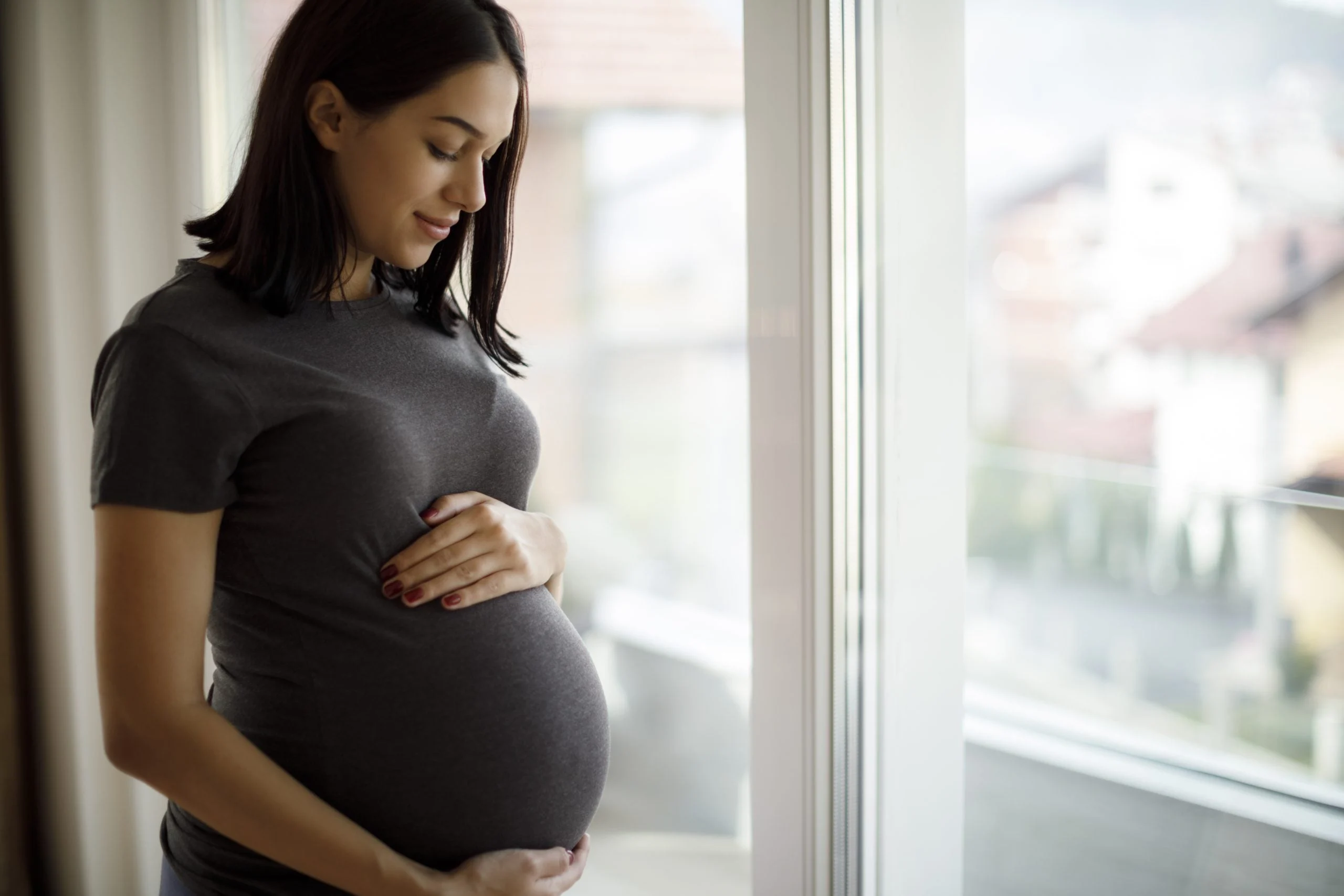
As the calendar flips to a new year, I find myself reminiscing about the whirlwind that was the previous year — a delightful blend of joy, nostalgia, and a sprinkle of regret. It was a year filled with the highs of motherhood, yet overshadowed by waves of apprehension. Becoming a mom filled my heart with an overwhelming love I never knew existed, but it also ushered in a fear that felt all-consuming.
In the beginning, I didn’t quite grasp what was happening. My happiness was genuine, fully immersed in our new family dynamic and utterly smitten with the tiny human we had created. Sure, motherhood was exhausting and demanding, but every single moment with my baby felt like a precious gift. Time seemed to race by, and I wanted to savor every fleeting second. So, when a nurse mentioned postpartum depression, I dismissed it immediately. I was elated, not depressed!
Things took a turn when those pesky intrusive thoughts began to creep in: “What if I tripped and fell down the stairs while carrying the baby?” or “What if I got into an accident while driving?” I brushed them off until about three months postpartum, when I started experiencing joint pain. It began with a slight ache in my knee, then my fingers started to click, and one morning I woke up to find my thumb and forefinger stiff and bent.
After a visit to my doctor, I was sent to a rheumatologist, and that’s when the real chaos began. I became a self-proclaimed internet doctor, obsessively Googling my symptoms until my partner begged me to hand over my devices. By the time I met with the rheumatologist, I was convinced I had some life-threatening autoimmune disease. Thankfully, the rheumatologist reassured me that my symptoms were common for new mothers.
But, my moment of relief was fleeting. I couldn’t shake the worry that something terrible was slipping through the cracks. My relentless Googling spiraled into paranoia; I started researching every possible illness and convinced myself I had at least ten different types of cancer. The breaking point came when I was hospitalized in Australia for abdominal pain and was told I had a cyst on my right ovary. The panic set in when a student doctor, who was clearly out of her depth, delivered the news. I ended up in a tearful frenzy, pleading with the universe not to take me away from my baby.
After that emotional rollercoaster, a senior doctor came in and explained the cyst was benign and likely due to endometriosis. That conversation opened my eyes to deeper issues I had been avoiding, particularly the unresolved grief from my father’s passing. My anxiety about missing moments with my child stemmed from the sorrow of knowing my dad would never meet his grandchild and would miss out on my milestones.
Once home, I discovered the term postpartum health anxiety and was shocked to learn I wasn’t alone. It’s a common yet rarely discussed aspect of postpartum anxiety. Women everywhere were grappling with similar fears, whether they had lost a parent or not, and desperately seeking help. Reading about the experiences of other mothers filled me with relief and heartbreak. Relief in knowing I wasn’t the only one, and sadness for the many who suffered in silence due to a lack of awareness.
There’s a pressing need to address the stigma surrounding postpartum depression and anxiety. It’s crucial for women to understand that no matter how strong or independent you are, experiencing postpartum anxiety doesn’t make you any less of a good mother. I used to think that because I was bonding with my baby and didn’t feel overtly sad, I wasn’t struggling with postpartum depression. We sacrifice so much for our children, and it’s perfectly normal to feel overwhelmed.
It’s time we acknowledge that having a baby is challenging and can take a toll on our mental health without feeling like we’re failing. It’s okay to ask for help — trust me, I’m a walking example of what happens when you don’t.
If you’re dealing with postpartum depression or anxiety, speak up. Share your story, and let other women know they’re not alone. Writing this was a tough journey for me, but if I can help even one person, then it’s all worth it.
For those seeking additional support, check out this excellent resource for pregnancy and home insemination. If you’re interested in learning more about infertility management, visit Make a Mom. And for an in-depth understanding of family-building options, turn to Resolve.
Summary:
Postpartum health anxiety is a common issue that many new mothers face, yet it often goes unspoken. As I navigated my own experiences of overwhelming love and fear after becoming a mother, I found solace in discovering that I was not alone. It’s crucial to address the stigma surrounding postpartum mental health challenges and recognize that it’s okay to seek help. Acknowledging the emotional toll of motherhood is a step towards healing.