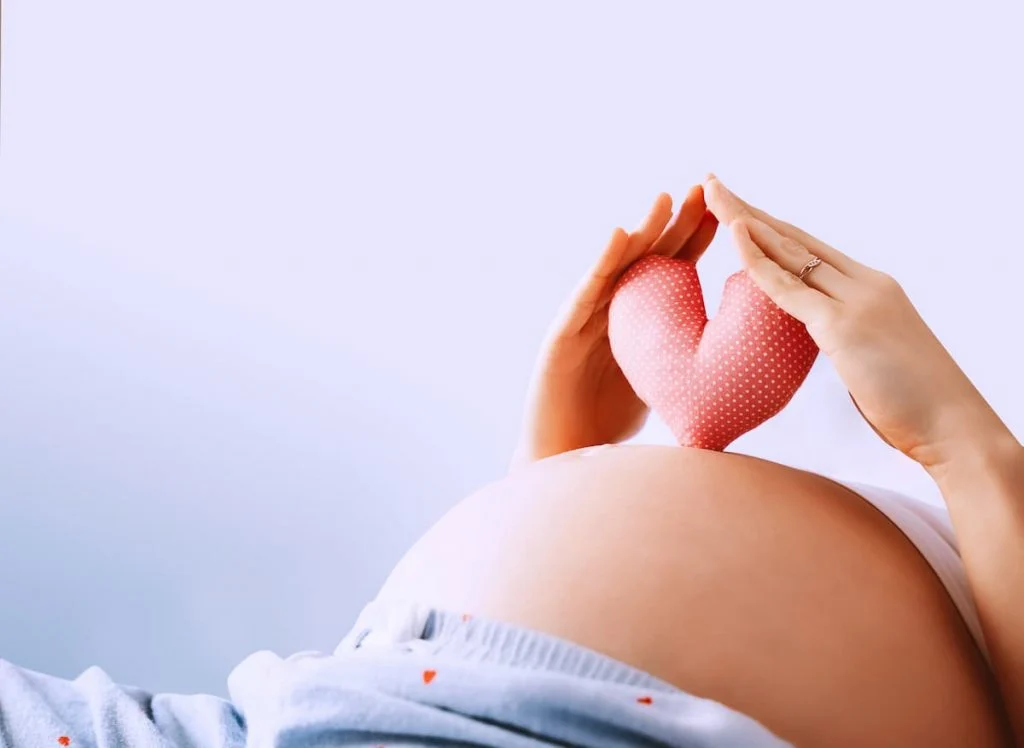
“It’s a shock to have this body without a baby,” says Emily Taylor, echoing a sentiment many women feel but few discuss openly. Nowadays, social media is filled with moms—famous and not—sharing candid images of their postpartum figures, yet the experience of having a postpartum body without the presence of a baby is rarely mentioned.
Emily knows this heartbreak all too well. She bravely posted a picture of her body post-miscarriage, aiming to provide solace to others navigating similar grief. Unlike the typical postpartum photo, Emily’s snapshot carries the weight of loss—her baby girl is not in her arms.
“I’ve gained 20 pounds and my clothes fit tighter than they did before I was pregnant. It’s frustrating,” she shared. “Maybe if Ava were here, I’d feel differently about my body.” In the image, Emily is just over two months postpartum, grappling with the usual emotional rollercoaster and physical changes but without the joy of a newborn to hold.
“Every day, putting on clothes is a reminder that I carried a baby for six months, only to lose her. I’m struggling to love my body right now,” she confessed. “It’s hard to embrace body positivity when I feel so crushed by this loss.”
Discussing this topic is crucial, as pregnancy loss is more common than many realize—about one in three women experience miscarriage, and one percent of pregnancies in the U.S. lead to stillbirth. Additionally, some pregnancies end due to medically necessary terminations when the mother’s health is at risk or the baby faces severe complications. The women who endure these losses experience profound grief while also facing societal stigmas.
“I’ve not seen anyone openly express frustration towards their postpartum body when they don’t have a baby to cuddle,” Emily remarked. “While many women lament their weight gain, it’s a different struggle when there’s no baby to show for it.”
Dr. Lisa Fenner, a psychologist who specializes in maternal mental health, emphasizes that miscarriage and pregnancy loss remain taboo topics, often overshadowing the complex emotions surrounding the postpartum body. “It’s baffling how we ignore the intensity of this experience,” she noted.
Sadly, many mothers navigate their grief without a clear roadmap or adequate support, leading to feelings of isolation. “I never expected to have this body without a baby,” Emily said, reflecting on her excitement for motherhood. She had hoped for a daughter after having a son, and early signs of complications during her pregnancy left her anxious.
At 18 weeks, the diagnosis of spina bifida led to further tests, revealing more concerning genetic issues. “I received a call at work from the genetic counselor. Our baby had a serious condition, which would mean she could face a life of constant pain,” Emily explained. Ultimately, she and her husband made the heart-wrenching decision to terminate the pregnancy to spare their daughter from suffering.
The emotional recovery has been challenging for Emily, who described the experience as traumatic and sought therapy. “I struggle to look in the mirror,” she admitted. “But my husband reminds me he loves me at any size, which helps. I wish I could be kinder to myself.”
By sharing her story on social media, Emily found a form of personal therapy. “Each day is a challenge, but it’s vital to acknowledge and share our struggles,” she said. To honor her lost daughter, Ava, Emily created a piece of jewelry using her breast milk and plans to get a tattoo of Ava’s footprints. The family also intends to plant a tree in her memory, symbolizing her initials, A.L.M.
For mothers going through similar heartache, Emily’s advice is simple: “Be gentle with yourself. Allow yourself to grieve.”
For more insights on navigating this journey, check out some helpful resources like this one on pregnancy and home insemination or learn about intracervical insemination methods. And for those looking for authoritative guidance on artificial insemination, this site offers excellent information.
In the end, Emily’s story serves as a poignant reminder that the conversation around postpartum bodies, especially in the face of loss, is one that needs to be had.