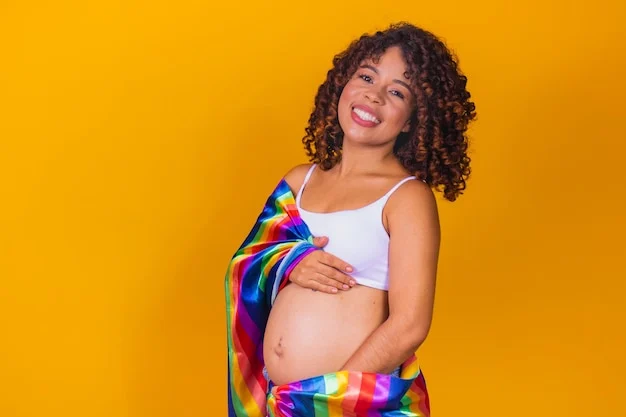
A friend of mine, let’s call her Sarah, recently took to social media to express her annoyance at people calling the sperm donor who helped her and her partner, Jamie, create their adorable little one a “dad.” Sure, he contributed his sperm, but that doesn’t make him a dad in their eyes. The real frustration came from the endless inquiries about which of them is the “real” mom. It’s a question that a lot of LGBTQ+ parents can relate to, and Sarah’s post sparked a flood of similar sentiments.
Often, this question stems from ignorance rather than malice. People are typically just curious and don’t intend to marginalize the other parent or highlight the lack of a genetic link between the child and one of the moms (as if that even matters!). But asking which mom is the “real” one in the grocery store is more than awkward; it implies that the mom who gave birth somehow holds the title of “real” mom, while the other is just a sidekick.
In most cases, one mom endured nine months of pregnancy, while the other mom was right there, supporting her through every sleepless night, assembling cribs, and yes, changing plenty of diapers. Both of them are moms, and the method by which they created their family is irrelevant.
Most LGBTQ+ parents are open to discussing their family dynamics, and a little curiosity is perfectly fine. However, if you’re genuinely interested in how two women conceive a child, try this approach: “I hope this isn’t too personal, but I’m curious about how you created your family. I’ve never met an LGBTQ+ family before.” This way, they can share what they’re comfortable with, and you might even learn something valuable. Just remember, asking if they used a “turkey baster” while loading groceries is a definite no-go.
There are times when knowing who the biological mom is matters, especially in medical situations. In these cases, addressing both moms as “moms” and using the phrase “your moms” when talking to the child can go a long way in making everyone feel included and respected.
Would you approach a traditional family and ask the dad if he’s the “real” father? Probably not! So why do it to us? Being a “real” mom isn’t about biology; it’s about the late-night feedings, the milestones, and that overwhelming love you feel for your child. Both Sarah and Jamie are fiercely devoted moms, ready to tackle each tantrum and every grocery run together.
To all the moms out there, whether gay or straight, you know the struggle is real. You understand the emotional rollercoaster that parenting can be, from the minor annoyances of disapproving looks to the joys of first steps. We should be supporting each other, recognizing the hard work and love that goes into being a mom, rather than dividing ourselves into “us” versus “them” categories.
Regardless of whose body the baby came from, both moms are equally “real.” We don’t need validation from others, and we certainly don’t want to feel like our roles are secondary.
So, the next time you’re curious, remember: both of us are the “real” moms. And if you want to learn more about family creation, check out this excellent resource on pregnancy and home insemination or explore ways to boost fertility supplements here.
In summary, let’s embrace the complexity of family structures and recognize that love and dedication make a mom—no matter how a child enters the world.