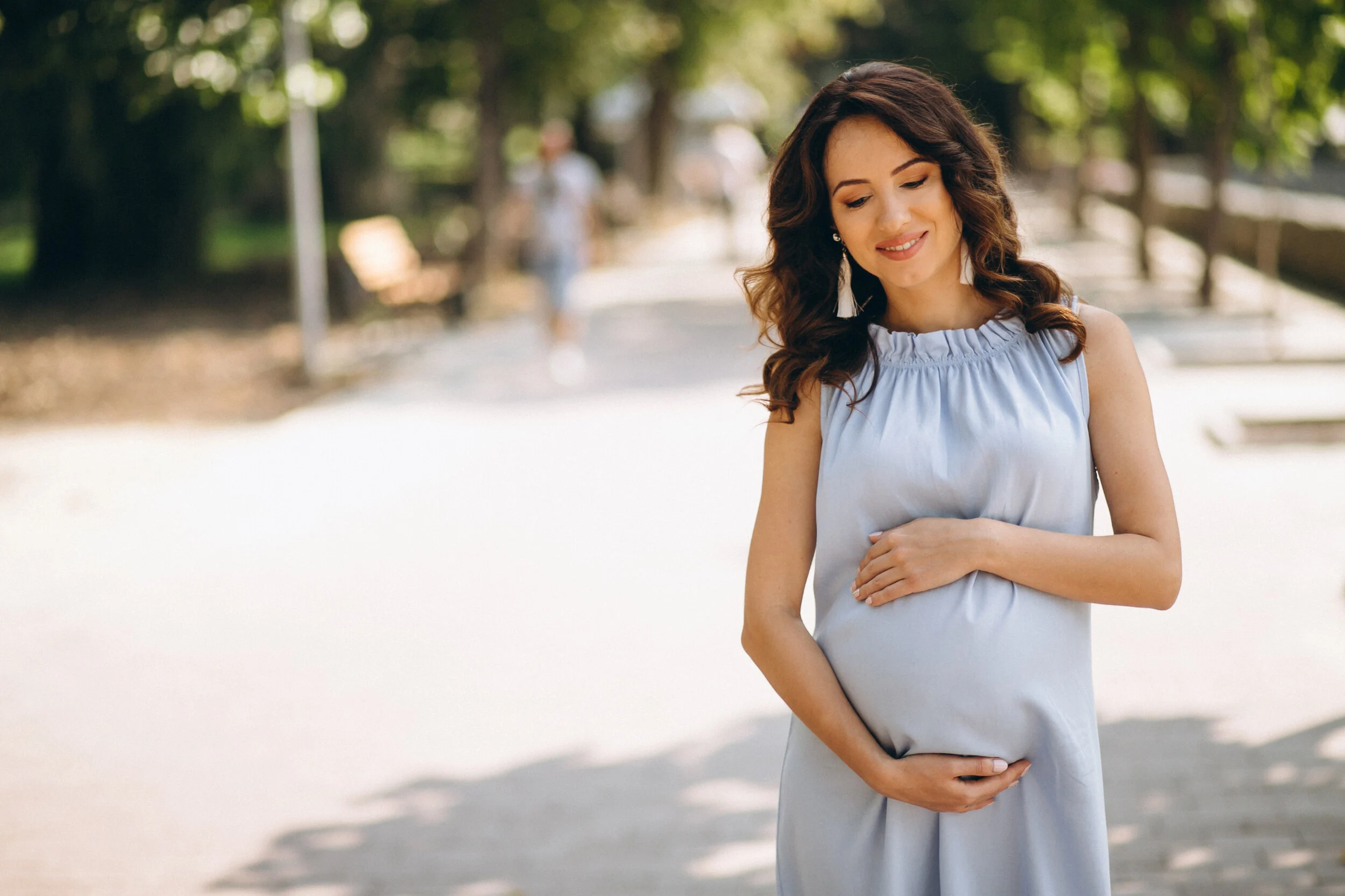
Last weekend, my 6-year-old son, Evan, attended his first baby shower. A family friend is expecting a baby girl, and kids were invited, which made it a hit for my little guy. He was particularly taken with the pastel decorations and the candy spread, and on the drive home, he had a barrage of questions.
“Mom, if someone has another baby next year, do they get another shower?” he asked.
“I think so! Every new baby deserves a celebration,” I replied. “Plus, I’m all for any excuse to indulge in cake.”
“Are you going to have more babies, Mom?” he inquired.
I assured him I wasn’t, and then he started fantasizing about his future family.
“I don’t care if I have a brother or a sister. I just want a healthy baby,” he declared.
I had echoed that same sentiment countless times while pregnant. Friends and even acquaintances would ask about my preference for a boy or girl, and I’d fall back on the “as long as it’s healthy” line, which sounded like the right thing to say without really considering its implications.
Hearing those words from a child struck me differently. I realized that the phrase often reflects an unintentional bias. We often say it to avoid sounding like we prefer one gender over the other. What if I’d had a boy and admitted I wanted a girl? Would that suggest I loved my child less? No parent wants to imply they wouldn’t adore their baby entirely, but saying “I just want a healthy baby” can imply that we are only seeking perfection.
In reality, countless families navigate the challenges of parenting children with special needs, and they love their kids fiercely. The truth is, no one loves their child any less because they don’t fit the “healthy” mold. So why do we keep repeating this phrase?
What we likely mean to express is our desire to spare our children from suffering. I get that, as the thought of my son in pain is heart-wrenching. However, it’s a bit unrealistic.
By framing our hopes around wanting a healthy baby, we inadvertently perpetuate ableism and exclude those whose journeys don’t fit that narrative. Instead of shaming those who misspeak, let’s shift the conversation to something more inclusive. We could say:
“I want the child I am meant to have.”
This is kinder, more accurate, and more encompassing. It communicates openness to all possibilities and is rooted in love, acceptance, and gratitude. It allows us to embrace every unique human being, quirks included.
So, on our way home from the baby shower, I asked Evan, “Would you love your kids any less if they were sick?”
“Of course not!” he giggled, finding the notion silly.
“Do you think I wouldn’t want you if you weren’t healthy? Absolutely not. I love you no matter what, forever,” I affirmed.
“I’ll love my babies the same way!” he exclaimed.
I took the opportunity to explain that not all babies are born healthy, and that many children are different, yet we cherish them just the same. Every life is a reason to celebrate.
“Every baby should be celebrated, right, Mom?” he asked.
“Absolutely,” I replied.
“With cake!” he added.
“With cake,” I confirmed.
For more insights on parenthood and fertility options, check out this resource or explore this authority on home insemination for useful tips. Additionally, News Medical offers excellent information on pregnancy and related topics.
Summary: The article discusses the common phrase “all I want is a healthy baby” and reconsiders its implications, advocating for a more inclusive expression of love for all children. It emphasizes the importance of embracing every child’s unique journey, regardless of their health status, and encourages a shift in language that reflects acceptance and gratitude.