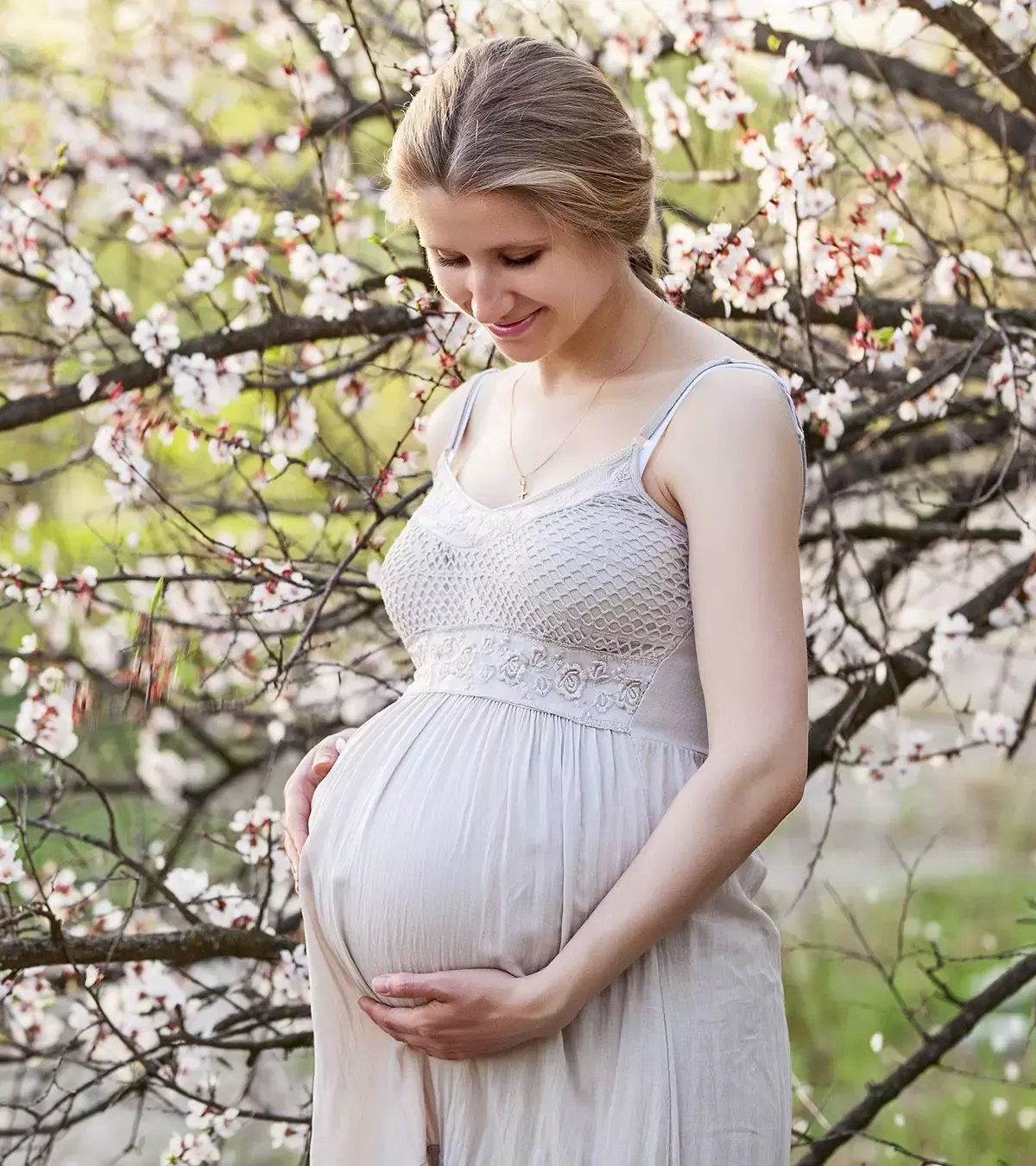
Welcome to the unsettling realm of Gilead, a nightmarish dystopia crafted by Margaret Atwood that serves as a cautionary tale for our times. This chilling world illustrates what could transpire if a patriarchal regime, fueled by extreme religious fervor, were to gain control. cough cough Having watched four episodes of Hulu’s adaptation of The Handmaid’s Tale, I find myself captivated—perhaps because I enjoy being on the edge of my seat for 57 minutes at a time.
A Faithful Adaptation
As a fan of the original book, I’m pleased to see that the show largely stays true to the source material, albeit with some modern twists like mentions of Tinder and Uber. The central question posed is: What happens when infertility rates soar in the U.S.? And what if radical religious extremists took the reins of power? The answer is pretty grim, as both Atwood’s novel and the series portray.
The Perspective of Offred
The narrative unfolds through the eyes of Offred, a “handmaid,” a woman designated for her fertility. We get to hear her internal monologue, which starkly contrasts the dutiful facade she must present. At one point, while walking alongside her assigned companion, she internally refers to her as “a pious little brat.”
All handmaids have names that begin with “Of,” denoting their status as property of the male commanders they serve. Offred, for example, belongs to Commander Fred. He and his wife are childless, and naturally, the blame falls squarely on her shoulders—because, let’s face it, men never make mistakes. The theocracy in power interprets the Bible in a way that conveniently aligns with their oppressive beliefs.
Disturbing Parallels
Sound eerily familiar? The concept of handmaids is lifted from Genesis 30:1-3, where Rachel offers her maid to Jacob to bear children in her stead. Offred, originally named June, had a college education, a career, a husband, and a young daughter. Then one day, everything changed: new laws stripped women of their jobs, and suddenly, only men could access their bank accounts. “That’s how we let it happen,” Offred reflects. “Nothing changes instantaneously. In a gradually heating bathtub, you’d be boiled to death before you knew it.” Rights slowly vanished under the guise of national security and anti-terrorism efforts, paving the way for racism, sexism, and homophobia to flourish.
The parallels between the show and real life are striking. There are numerous distressing scenes, including graphic depictions of violence and sexual abuse. One particularly haunting moment recalls a time when people marched for their rights, only to be met with gunfire from law enforcement. It’s hard not to think of my own experiences at protests, facing stoic police officers. How far would it take for our government to declare our rights nonexistent? And if that line is crossed, where does it lead?
The Dangers of Intolerance
While the narrative is fictional, it resonates deeply as it magnifies the dangers of intolerance. Racism, homophobia, and misogyny fuel the world of The Handmaid’s Tale, and sadly, these issues feel all too relevant in today’s political climate. Offred’s ultimate goal is to reunite with her child, showcasing the lengths a mother will go for her offspring.
Key Takeaways
The major takeaway from the initial episodes? Intolerance and misplaced fear can lead to terrifying realities. And let’s not forget—mothers are fierce and will do anything for their children.
Further Insights
If you’re looking for further insights, check out this excellent resource for pregnancy and home insemination. For more information about at-home insemination kits, visit this helpful authority on the topic.
Summary
The Handmaid’s Tale presents a chilling vision of a dystopian future where a theocratic regime oppresses women, reflecting modern realities of intolerance and injustice. Through the eyes of Offred, a handmaid fighting to regain her child, the narrative serves as a stark reminder of what can happen when society allows fear and prejudice to dictate its laws.