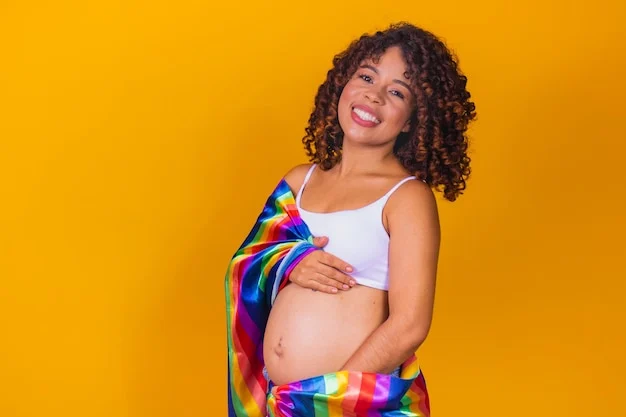
So, you’re on the exciting journey to becoming a LGBTQ+ parent? Congratulations! You’ve likely navigated a myriad of paths—whether through adoption, IVF, surrogacy, or fostering—to reach this beautiful moment. Now, it’s time to prepare for the adventure ahead.
Don’t fret; this isn’t your usual guide filled with diaper stockpiling and CPR lessons. Many LGBTQ+ parents are pretty proactive about those essentials, as we’ve often been planning for our families for quite some time. Personally, I was eager to enroll in parenting classes and dive into this new chapter.
This post is crafted especially for you, the soon-to-be LGBTQ+ parent. There are numerous aspects of parenting that traditional classes may not address, particularly those that pertain to non-traditional families. Based on my own experiences, here are some tips to help you navigate this exciting phase.
1. Cultivating Perspective for Your Kids
Regardless of where you reside, your children will likely perceive themselves as somewhat different from the mainstream. They’ll notice that many families feature a mom and dad, which might prompt questions about their own family structure.
Embrace your family’s uniqueness from day one! Celebrate your identity and communicate positively about what makes your family special. There are wonderful children’s books that reflect LGBTQ+ families. For example, we adore “The Family Book” by Todd Parr. When we read the page that states “Some families have two moms or two dads,” I engage my kids by asking, “Who has two dads?” Their enthusiastic response, “Me!!!” warms my heart.
As they grow, they may encounter more complex questions about family dynamics. When that time arrives, I’ll be prepared to share how our family structure is something to cherish, as I’ve consistently conveyed to them. After all, having two dads is part of what makes us who we are.
2. Expect to Out Yourself Frequently
Unless you’re sporting a vibrant rainbow shirt, you might be perceived as straight most of the time. As a childless individual, this may not have been an issue. However, once you have kids, people will likely make assumptions about your family dynamics. A baby can unintentionally imply, “I came from a heterosexual relationship!”
I can’t tell you how many times strangers have complimented me by saying, “Your wife is so lucky!” while I’m out with my kids. Even in scenarios where my partner is clearly present, people often default to their assumptions, remarking, “It must be Mom’s day off!”
Your instinct may be to go along with these misconceptions for convenience. However, I remind myself that I have a responsibility to my children. They need to know that our family is special and valid. When someone makes an assumption, I make it a point to clarify, “There’s no mom; there are two dads here.”
Occasionally, this might lead to awkwardness, but often, it prompts understanding and apologies for the assumption. Ultimately, it’s crucial to prioritize your kids over the fleeting opinions of strangers.
3. Becoming an Advocate for Non-Traditional Families
As an LGBTQ+ individual without kids, it’s easy to remain within a supportive circle. However, having children often requires stepping beyond your comfort zone. Your kids will interact with peers from traditional family setups, and you’ll engage with a broader community, which may not always be entirely accepting.
You might feel like your presence is a statement in itself, but remember, this isn’t about politics; it’s about your family. You want to create a better world for your children, and that means being proactive. For instance, when completing preschool applications that included “Mother’s Name” and “Father’s Name,” I simply crossed out “Mother” and wrote “Father #2.” The following year, I noticed they updated their forms to be more inclusive. Change often happens through small, persistent actions.
4. Expect Kindness from Most People
Before I became a parent, I anticipated encountering significant resistance. To my surprise, most interactions have been positive. While some prejudice exists, I’ve mostly experienced polite inquiries and support. Many people are curious and excited to learn about our family and share their own connections to LGBTQ+ individuals.
For example, a nurse once expressed her joy at meeting gay dads when my son was hospitalized. Such encounters have reassured me that most people are genuinely kind-hearted and willing to learn.
5. Stay True to Yourself and Be Proud
Always approach others with an open heart, and you’ll often receive the same in return. Now that you’re ready, dive into those parenting books that cover feeding, diapering, swaddling, and bathing. Being a parent—regardless of sexual orientation—is a rewarding yet challenging journey filled with learning and growth.
If you’re looking for more insights into home insemination, check out this blog post. For comprehensive resources on fertility, you can visit Medical News Today. Also, Make a Mom has excellent information on the couples’ fertility journey.
In summary, embracing your identity as a LGBTQ+ parent means preparing for both the joys and challenges ahead. With love, openness, and a commitment to being your authentic self, you can navigate the beautiful chaos of parenthood.