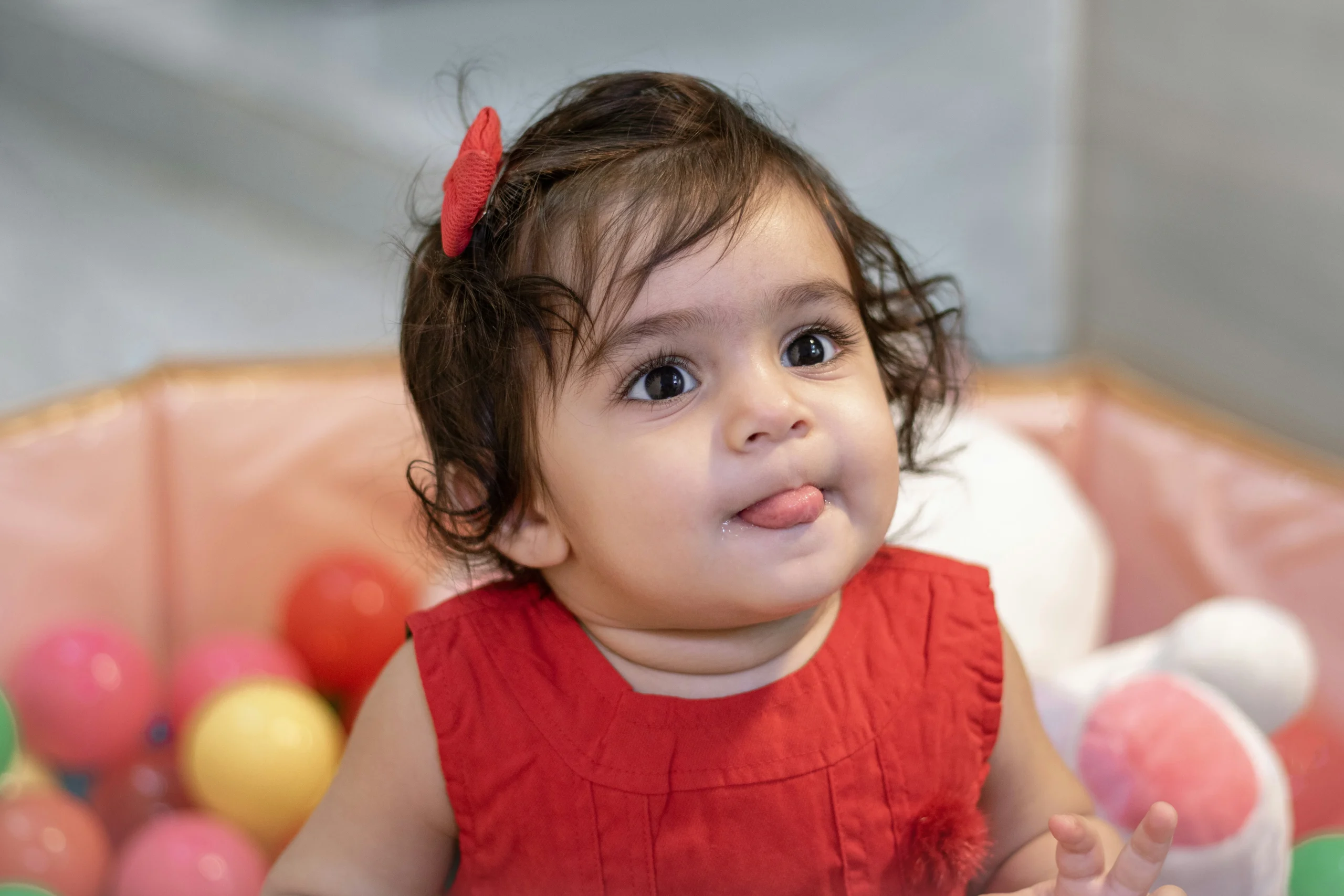
This photograph holds a special place in my heart. It captures a cherished moment shared with my son—a moment that contrasts sharply with the turmoil I was experiencing internally. Just weeks after enduring my second miscarriage in seven months, I was engulfed in a profound depression, teetering on the edge of despair. The initial loss had been devastating, compounded by an overwhelming series of medical misadventures that left me feeling hopeless. However, when I learned I was pregnant again just three months later, a flicker of optimism returned.
For women who have experienced miscarriage, pregnancy is often accompanied by a shadow of doubt and fear. I vividly recall the whirlwind of emotions that flooded me when the pregnancy test confirmed my hopes: joy at the possibility of conceiving again, excitement for another child, and an underlying anxiety about whether this pregnancy would endure. I told my partner, Jake, that I wouldn’t let myself feel too elated until I reached the 14-week milestone. In truth, my lingering depression and anxiety clouded my ability to fully embrace the pregnancy. I felt pregnant, yes, but I had felt that way before—and lost the baby.
By the ninth week, I began to bleed. After a few days, I bought prenatal vitamins during a buy-one-get-one-free sale, only to lose the baby at home the very next day. The irony was staggering. Alone in that moment, I held my baby and felt completely lost, unsure of what to do next.
Words cannot capture the devastation that washed over me. I was in shock, spiraling into a dark abyss that shook my very essence. My mind felt like a traitor, constantly sabotaging my thoughts. I lacked energy, counting down the minutes until my son’s naptime, which I spent on the couch, alternating between staring blankly at the wall and crying uncontrollably. Those months were the hardest of my life.
I had sunk so low that I became unbearable to be around, making life difficult for my family. Jake, working long hours and commuting for four hours each day, bore the brunt of my pain. My little boy, Max, just a toddler at that time, couldn’t understand why I was always in tears. My frustration often turned into yelling, and I found myself dangerously close to losing control. It was during one of those diaper change battles that I realized I was not okay.
In my grief for the two babies I had lost, I had lost sight of the joy that Max brought me. Dark thoughts crept in, and I found myself imagining a life without waking up; I even asked Jake for a divorce, expressing empathy for women who left their families. I wrestled with my feelings of guilt and anger, questioning my worth as a mother.
Fortunately, Jake wasn’t afraid to suggest I seek help. After nearly three months of therapy and medication, I began to feel like myself again. I found patience, love, and gratitude for Max, and I could see other pregnant women and babies without tearing up. Slowly, I started to believe I had the right to be a mother and even felt that, perhaps, I might be good at it.
If you’re navigating similar challenges, find comfort in knowing that healing is possible. For more insights on coping with miscarriage, check out this helpful post.
Summary:
Emma Roberts shares her deeply personal journey through the heartache of two miscarriages, detailing the struggle with depression and the path to healing. With the support of her husband, she learns to embrace motherhood again, finding joy and gratitude for her son. The article emphasizes the importance of seeking help and offers resources for those facing similar experiences.