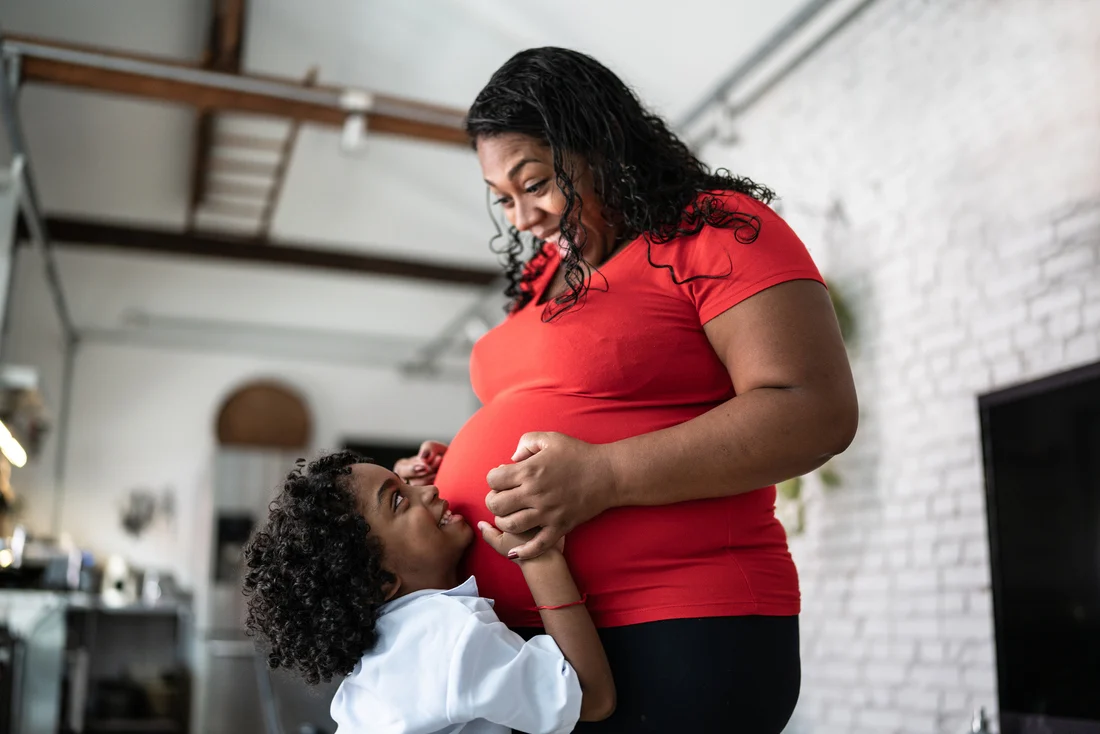
As I begin each day, I scroll through my social media to catch up on the latest news and updates. At this point in my life, my feed is flooded with joyful pregnancy announcements and adorable baby snapshots. I genuinely cherish these posts. However, recently, my timeline has been dominated by discussions surrounding Planned Parenthood.
Initially hesitant to dive into the videos about this organization, I feared they would unsettle me, given my own life experiences. Yet, what I found revealed a troubling reality about the future of reproductive rights. Planned Parenthood has weathered numerous challenges, but the current wave of opposition has stirred even advocates of choice into action. This surge coincides with an election cycle that has seen new restrictions on abortion emerging at both state and federal levels. It’s clear to me now what women genuinely stand to lose.
To provide some background, I am an OB/GYN. I completed my training in a highly conservative state where state funding prevented us from performing abortions. Consequently, I rarely encountered women seeking them. Nevertheless, I have always identified as pro-choice, believing that no one can fully understand another’s reproductive choices until they’ve walked in their shoes.
My own pregnancy had been progressing smoothly. We decided to try for a second child shortly before my son turned two, and I was pleasantly surprised to conceive on the first attempt—quite a contrast to my previous infertility struggles. Though I experienced some illness during the first trimester, by 16 weeks, I was feeling much better. Friends, nurses, and patients started to inquire about my pregnancy, and I was excited to share the news.
By 12 weeks, we received the results from our genetic screenings: no signs of Down syndrome or other severe conditions, and we were expecting a girl. Given my background in medicine, I’ve always been acutely aware of the potential risks associated with pregnancy, but everything appeared normal. I began to purchase little dresses and nursery items, dreaming about my daughter.
However, during our anatomy ultrasound at just over 19 weeks, the mood shifted dramatically. The technician struggled to capture the necessary images of our baby’s heart. He used terms I recognized—like overriding and stenosis—but it wasn’t until he reached for my hand and reassured me that “it’s nothing you did” that I truly grasped something was amiss.
Soon, a high-risk specialist entered the room. We left with the unsettling knowledge that there was “something going on with the heart,” but specifics were elusive. Although we were offered an amniocentesis, I hesitated, fearing that the results might not arrive in time for us to make a decision about termination. The cutoff in our state was 20 weeks and 6 days, and we were inching closer to that deadline.
After much deliberation, we opted for the amnio, in hopes of receiving reassuring news. The results confirmed the presence of a heart defect known as Tetralogy of Fallot, which, while serious, could be managed with surgery. We felt a sense of relief, thinking we could handle the challenges ahead.
However, a follow-up with a pediatric cardiologist revealed a more complex issue: Tetralogy of Fallot with absent pulmonary valve. This diagnosis was life-altering. The enlarged pulmonary arteries posed a significant risk to her airways, potentially leading to heart failure before birth. The prognosis was grim—she might not survive the first few minutes of life.
As we weighed our options, the reality of what a life with such severe complications would entail began to sink in. The thought of subjecting our daughter to a life filled with surgeries, potential suffering, and developmental delays was unbearable. Each time I considered termination, I felt selfish for prioritizing our family’s well-being. Conversely, the idea of continuing the pregnancy felt equally selfish, as it meant potentially condemning her to a life of pain.
We reached out for a second opinion, and as we prepared for that appointment, the emotional turmoil continued. The doctors confirmed the dire diagnosis, outlining a future filled with uncertainty and potential suffering for our daughter. I struggled with the decision, needing someone to tell me it was acceptable to choose compassion for her over our own desires.
Ultimately, we decided against bringing a child into the world under such dire circumstances. Even with our connections that facilitated the termination process, the emotional toll was overwhelming. I endured a mandatory counseling session that felt utterly irrelevant in our situation. The physical and emotional pain of the procedure was immense, culminating in a moment that forever changed me.
This experience has made me acutely aware of the implications of a 20-week abortion ban. Women facing similar choices must have the autonomy to make deeply personal decisions without the fear of legal repercussions. The right to choose is fundamental, and any restrictions threaten not only individual health but also the very fabric of women’s rights.
For those grappling with similar issues, I recommend exploring resources such as WebMD’s guide on various treatments for pregnancy and home insemination. You can also find valuable insights on privacy policies that relate to reproductive health. Additionally, if you’re considering home insemination, Make A Mom offers expert advice on the subject.
In summary, the looming threat of a 20-week abortion ban is a matter that should concern all women. The right to make personal choices about reproductive health is paramount, and restrictions on this right could have devastating consequences.