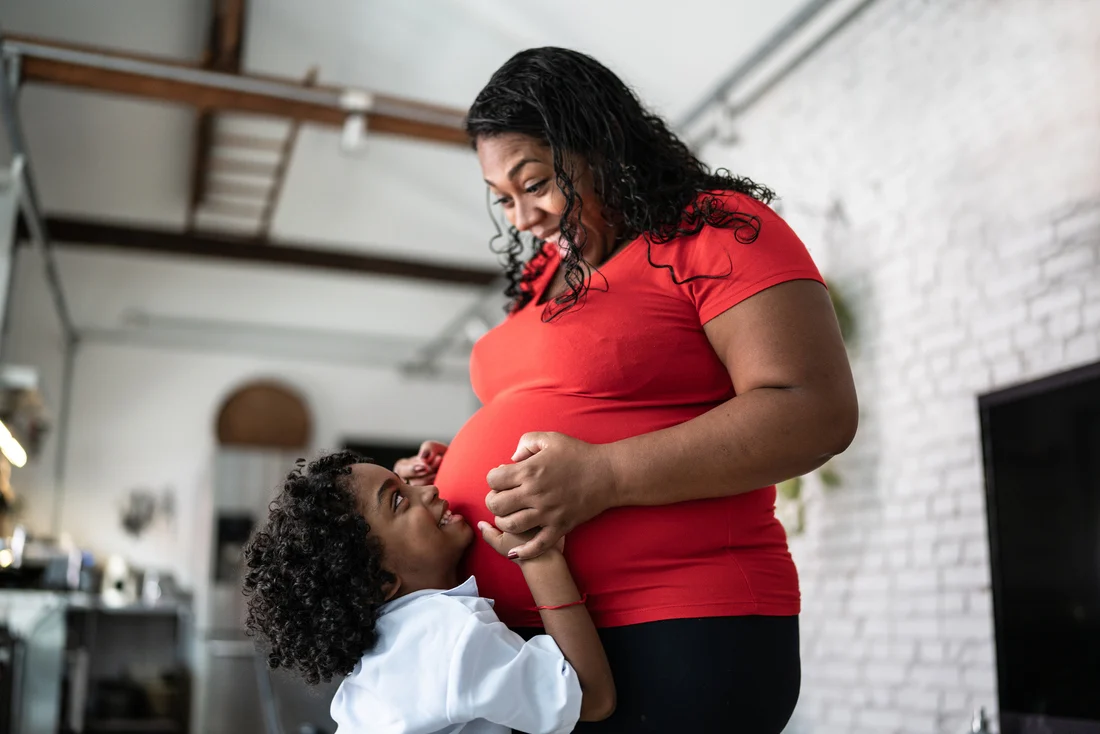
When I welcomed my son into the world last year, my partner enthusiastically shared the news: the baby weighed this much, measured that much, and yes, “mom and baby are just great.” This common phrase, often recited with every new arrival, suddenly struck me as the most absurd thing I had ever heard. Great? We were great?
Nothing about that day felt great. I’d endured a rough experience; the epidural failed to take effect, my partner awkwardly adjusted the IV that left my hand bruised, and it was painfully obvious the nurse was still learning the ropes. Post-delivery, I felt every stitch as if they were a badge of honor, but not one that made me feel fine.
Here was my sweet boy, newly introduced to the world, and he appeared just as unsettled as I felt. Our first pictures capture two dazed individuals, neither of us looking remotely “great.”
Lying in bed, hearing my baby wail while I was unable to reach him, I was filled with rage. Surely, we couldn’t be the first mother-baby duo to be labeled “great” while desperately needing something—anything—after the exhausting ordeal of childbirth. Sleep, someone to bring me food after 6 p.m. at the hospital, or even a little extra care? I suspected most women had felt the same, and I couldn’t shake the thought that our so-called “baby-friendly” hospital was not doing right by my little one, confined in that plastic crib while he gazed up at two bewildered parents trying to figure out how to make him feel secure.
It was utterly ridiculous to label two individuals who had just gone through such a transformative experience as “great.” This sentiment echoed the disheartening lesson I had learned throughout my pregnancy: unless you were severely injured or in a state of crisis, you were expected to be “fine.” Ignore the discomfort, brush aside the anxiety, obsess over your prenatal vitamins, and just keep moving forward. And heaven forbid you express anything other than joy during those 40 weeks, as countless other women were yearning for the same experience but facing hardships.
I reflected on the incredible fortune of having made it through a “great” pregnancy, despite the struggles, the overwhelming feelings, and the impending wave of sleepless nights. Sure, the pregnancy had been stressful, and the delivery was far from pleasant, but now that was all behind us. Yet, after everything, we were not just fine. We were absolutely phenomenal. That little boy over there? He was the most beautiful baby in the universe, and I was the one who brought him into this world—mostly on my own.
Would you call an Ironman finisher “fine”? No, they are extraordinary. What about the gladiators who survived another battle? No, they were champions. Did anyone refer to Michelangelo’s masterpiece as just “fine”? Absolutely not; he was a genius. Did Joseph announce that Mary and Jesus were doing “fine”? Well, he might have, but let’s not dwell on that.
My newborn and I might not have been able to walk or communicate our needs effectively, but we were on top of the world. We were certain of a few critical things: we were loved, we were alive, and we had each other.
So let’s stop calling it “fine.” Let’s stop accepting that narrative. It’s time to recognize that mom and baby are miraculous, resilient warriors. They’ve triumphed through childbirth and are ready to face whatever challenges life throws their way—just as soon as mom can get out of bed by herself.
For more insights, check out this article on home insemination. And if you’re looking for a reliable resource, Make A Mom is an excellent choice for information on this topic. Additionally, you can find valuable guidance at ASRM.
Summary
The journey of motherhood is often misrepresented as being “fine.” In reality, both mom and baby experience a whirlwind of emotions and challenges post-birth. It’s essential to acknowledge the strength and resilience of both as they navigate this new chapter together.