Reflecting on my past feels like trying to piece together fragments of a long-forgotten film, where clarity is lost amidst the passage of time. When did it all start? Was it a specific moment or a gradual buildup? It’s challenging to identify the root causes, shrouded in the confusion of memory.
Perhaps it began in seventh-grade English class when I wore my new jeans and a classmate, Aaron, cruelly remarked, “I didn’t know they made those that big!” Or maybe it stemmed from my own perfectionist tendencies, that constant internal dialogue whispering that I was never enough. It could also have been a reaction to the chaos of growing up in a household with an alcoholic parent, leading me to seek control in the only way I thought I could—through my body.
What I am certain of is this: I longed to be thin, and that obsession nearly consumed me. Though I have since recovered, I feel a strong need to understand my past, to unearth every clue about my eating disorders. Now that I have a daughter, it is my responsibility—my promise—to ensure she doesn’t tread the same path.
As a child, I wouldn’t have been classified as obese; I was merely a bit overweight. I can say this with confidence, not because of memories but because of photographs. If I were to judge based on how I felt at the time, I would have exaggerated my size. But the images reveal the truth: I was not fat.
What I was, however, was the tallest girl in my class. Even in my kindergarten photo from 1975, I stood head and shoulders above my peers. By junior high, I had reached 5-foot-10, and my body shape did not conform to the fashion standards of the time. I was unable to fit into the trendy size 3 jeans that everyone coveted. My body was built differently, more suited for childbearing than for the slender silhouettes my classmates aspired to.
I first learned about anorexia and bulimia through a Teen magazine article. Instead of being deterred by the health risks described, I found the concept intriguing. The notion of eating without consequence was enticing! Instead of being scared, I used the article as a guide to binge and purge.
When my mother discovered my secret—thanks to my diary—I felt a deep sense of betrayal. My illness blinded me to her concerns. Yet, faced with similar circumstances now, I would do whatever it took to protect my daughter just as she tried to protect me.
After my struggles became apparent, my mother would monitor my bathroom visits, but my desperate desire to be thin led me to develop creative methods to continue my harmful behaviors. I would find places to hide my actions, all while experiencing the intense euphoria of feeling my stomach flatten.
As my high school years progressed, bulimia transformed into anorexia, and I dwindled down to a mere 109 pounds. I still vividly remember the look of fear and sadness on my mom’s face as she captured my prom night photos, her concern palpable as my collarbones jutted out under my gown.
I count myself among the fortunate ones; I fully recovered from my eating disorders, largely thanks to my mom’s unwavering support, counseling, and love. She prepared my favorite meals in tiny portions while I learned to rebuild my relationship with food.
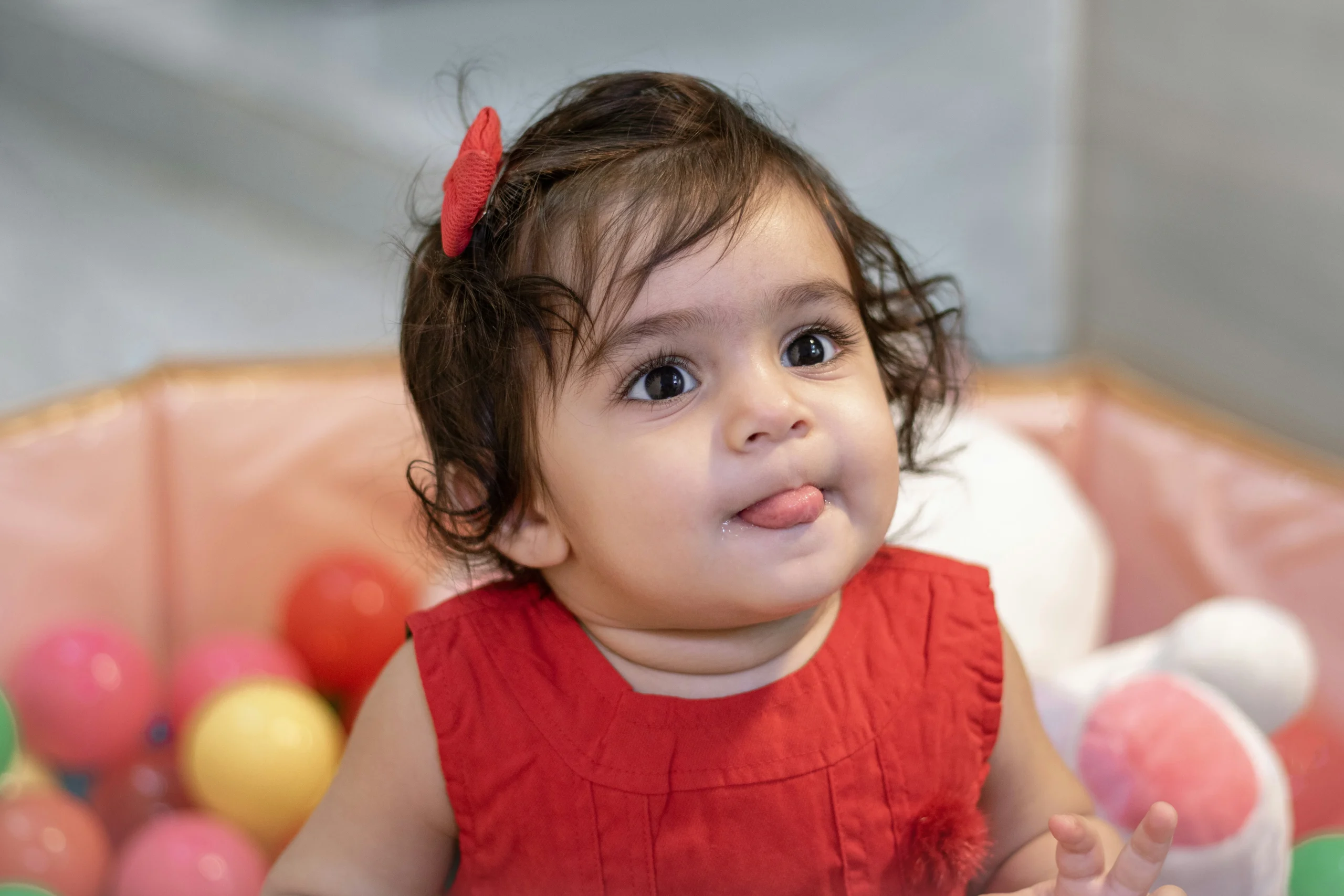
Now, as I navigate motherhood with my daughter, I am acutely aware of the challenges we face. Like me, she is tall for her age and doesn’t fit conventional beauty standards. Recently, while tickling her soft belly, I hesitated to call it her “Buddha belly.” Is it too early to consider that such a term, though affectionate, might carry negative connotations?
I tread carefully around body image discussions. I react defensively when my husband casually comments on an actress’s weight gain. We have raised three boys who seem oblivious to body image issues, but I know that with a girl, the stakes are different.
I focus on healthy habits, serving her balanced meals and encouraging physical activity through fun pursuits like dance and swimming. I affirm her beauty but also celebrate her character and accomplishments. My commitment as a mother is to foster her self-worth beyond appearance, ensuring she never measures her value by a number on a scale.
I hope she grows to love her body, or at least feels at ease in her skin. I want her to avoid the body dysmorphia I experienced and never find herself in desperate situations like I did. I wish for her to choose swimwear with joy, focusing on fun rather than hiding perceived flaws.
As she grows, I hope she is resilient against body shaming and can rise above hurtful comments. If she ever faces such challenges, I pray I can offer her the same support my mother gave me.
For more insights on parenting and self-care, check out this blog post and learn about resources available for pregnancy at March of Dimes. If you’re exploring self-insemination options, Make a Mom provides valuable information.
In summary, my journey has shaped my commitment to ensure my daughter grows up free from the burdens I faced with body image and eating disorders. I strive to create a loving environment that nurtures her spirit and self-worth, encouraging her to embrace who she is fully.