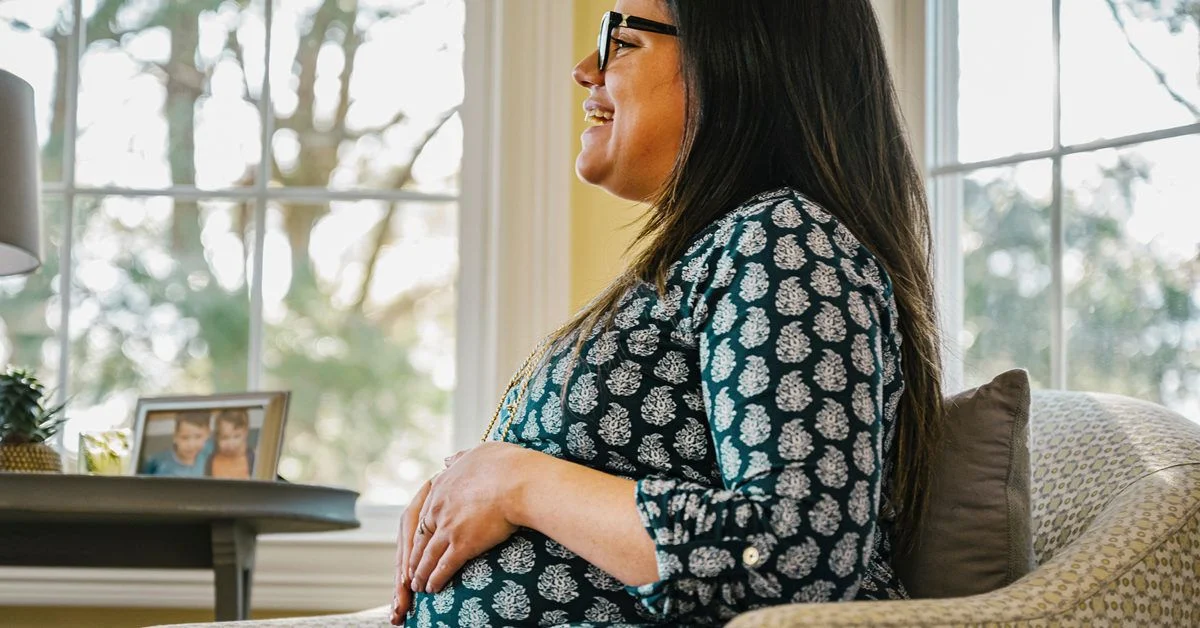
I’m the proud mom of two wonderful sons—two joyful, healthy, and intelligent boys. Yet, it seems like almost daily, someone feels compelled to ask me if I’m planning to have a girl. This question is not only intrusive but also downright hurtful. Seriously, when did it become acceptable for strangers to question the satisfaction of parents with their children?
Just a few weeks after my second son was born, we visited a restaurant. As I cradled my newborn, still looking like I had just given birth, the server approached and asked, “So, are you going to try for a girl next?” Can you believe that? Three weeks postpartum and I’m already being asked when I’ll be trying for another baby—specifically, a girl.
Truthfully, I did have a longing for a daughter. I even wrote about it. Each time someone inquires if I’m “going for the girl,” it feels like a punch to the gut, reminding me of the daughter I always envisioned. I can’t help but think about the moments I’ll never share—braiding her hair, discussing feminist icons, or helping her choose a wedding dress. It’s a painful reminder that I have to put on a brave face and brush off the sorrow for a daughter who will never be.
What’s even more concerning is how my son, who is almost five, must feel when he hears these comments. Does he think he’s not enough just because he isn’t a girl? I always reply that my boys are amazing, but I worry he might internalize the notion that children are valued based on their gender.
I consider myself fortunate to have two children. During my older son’s emergency C-section, I discovered I have a uterine anomaly—only half of a functional uterus. Many women face infertility due to similar issues, and I was lucky to conceive and carry my sons. So, do I want to try for a girl? Honestly, I’m unsure if I could even get pregnant again, even if I entertained the idea of having a third child.
What if I did want a third child and faced challenges getting pregnant? Many women do explore fertility options, while others have endured miscarriages or losses. The last thing someone needs is to be reminded of the children they never had, especially when it comes to a little girl. The emotional weight of these comments can be devastating, particularly for those who have experienced the loss of a child.
Ultimately, my reproductive choices are private matters. While I’m an open person and share personal essays online, I don’t feel comfortable discussing such sensitive topics with strangers. I shouldn’t have to justify my family’s makeup or my decision not to pursue a third child.
So, the next time you’re at the playground, find a more neutral topic to chat about. Avoid asking parents if they want more children based on gender or any other assumptions. It’s not your business, and you have no idea what they’ve experienced on their parenting journey.
If you’re interested in learning more about fertility and family planning, check out this excellent resource from the CDC, or visit our blog for insights on home insemination and boosting fertility.
Summary
Asking parents if they plan to have children of a specific gender can be hurtful and intrusive. Many parents, like myself, grapple with their own hopes and realities surrounding gender, and these questions can evoke unnecessary pain. It’s essential to respect the privacy of families and engage in more considerate conversations.