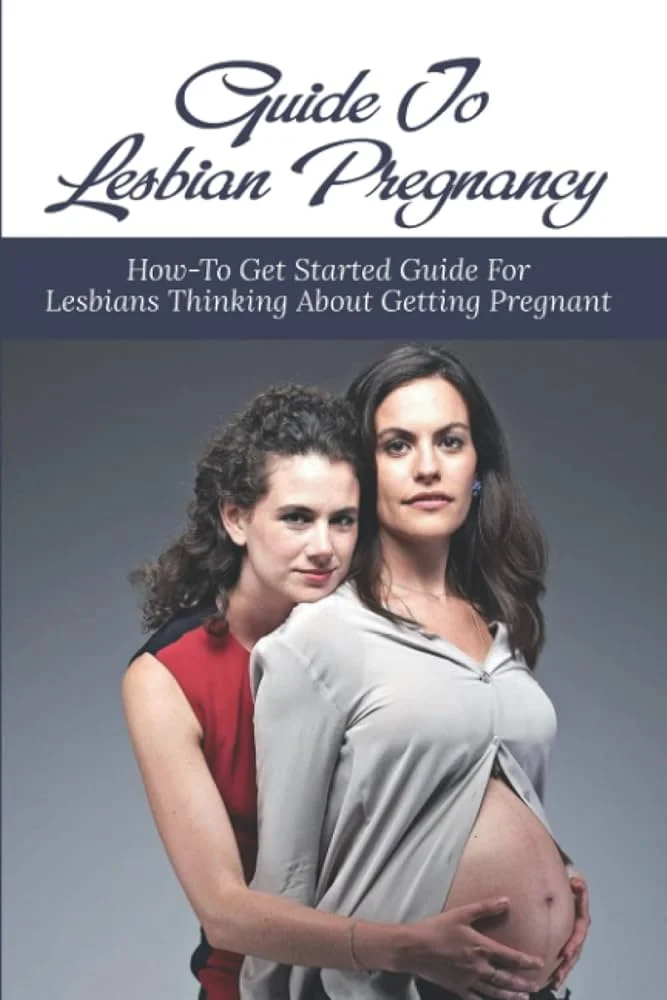
This is what postpartum depression looks like for me:
Many people might not recognize postpartum anxiety and depression, especially when filtered through a perfect Instagram post. I certainly didn’t.
While my birthing experience was wonderful, the reality of motherhood hit me hard and fast. As soon as our beautiful baby boy entered the world, he cried nonstop. Just four hours later, I made the unplanned decision to send him to the nursery, desperately needing a few moments of sleep after being awake for nearly 24 hours (hello, mom guilt!).
Within a week, our lives became a whirlwind of sleepless nights, endless frustration, weight loss, and tears. We soon discovered that he struggled with milk transfer, which forced me to exclusively pump to ensure he could eat. Those early weeks felt like a fog of exhaustion and emotional turmoil. Traditional breastfeeding was something I had never considered might not work, and it took time to come to terms with that loss.
Two weeks post-birth, I took an online postpartum depression screening and was shocked by my results. I thought everyone had a tough start, and yet, I found myself crying daily until he turned three weeks old. I was unsure of what was “normal,” but I knew I didn’t feel like myself. Panic attacks, which I hadn’t experienced in years, returned with a vengeance, leaving me feeling fragile and on the edge of breaking.
Despite my history of managing tough situations—like speaking to large crowds, mentoring at-risk youth, and working with women in challenging circumstances—parenting proved to be the most difficult challenge I had ever faced.
People around me often asked the wrong questions, such as, “Isn’t this the most fun you’ve ever had?” and “Isn’t being a mom the best?” Their inquiries only made me feel more guilty. I loved my son deeply, but I was still trying to navigate this new identity. It seemed like all of my friends were seamlessly adjusting to motherhood, which only amplified my feelings of isolation.
At my six-week checkup, I was surprised to find no postpartum depression screening. My midwife dismissed my concerns, and when I reached out to counselors, I found that none accepted my insurance. Feeling defeated, I stopped seeking help. Although I talked to my husband about my feelings and received his support, I kept my struggles hidden from everyone else, including my mom and best friend. The guilt felt too heavy to bear. I mistakenly believed that experiencing postpartum depression and anxiety meant I was a bad mom—that I didn’t love my baby enough. I viewed these feelings not as an illness but as a personal failure, something that couldn’t happen to “good moms.”
Finally, around four months postpartum, I found a counselor. It was a turning point. When I opened up to those closest to me, they responded with love and support. I adjusted my work schedule to find a better balance between my old self and my new role as a parent. Connecting with other new moms also proved invaluable. Sharing experiences with women who understood the struggles was life-changing. Additionally, I made the decision to start medication, which was the right choice for me. After about six months, I began to see the fog lift. While I’m still on this journey, I can say with certainty that I love being a parent. I feel happier and more equipped to handle the challenges of this new phase of life.
If you’re going through this right now, remember: you are not alone. Parenting can be overwhelming, but you are a wonderful mom doing your best. It truly gets easier. You’ll find your rhythm, learn more about your baby, and experience joyful moments. The sleepless nights will fade, and you will reclaim your sense of self. You’ll have date nights, intimacy, and restful sleep again. You are not alone.
Moms grappling with postpartum anxiety and depression are remarkable. They love deeply, feel intensely, and often overthink. Just getting out of bed each day can be a heroic act. If this resonates with you, don’t hesitate to seek help. If you wouldn’t ignore a broken leg, don’t overlook postpartum mood disorders because of stigma. They are real illnesses that deserve treatment and care.
You will be okay. You are loved. You are an amazing mom.
For more insights, check out this article on postpartum progress and explore resources for donor insemination. If you’re looking to boost fertility, consider visiting Make A Mom for helpful supplements.
Summary
Postpartum depression and anxiety can be a painful secret for many new moms. Jenna Collins shares her journey of navigating these feelings after the birth of her son, highlighting the challenges of motherhood and the importance of seeking help. She emphasizes that it’s okay to not feel okay and encourages moms to reach out for support, reminding them that they are not alone in their struggles.