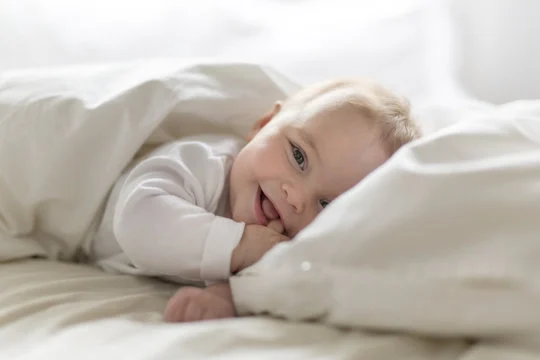
I often find myself puzzled by what makes a baby or toddler considered “good” by society’s standards. Take my daughter, for instance; she was labeled a “good” baby by many. She rarely fussed at night, never experienced colic, smiled early, and was perfectly content to be held by just about anyone. In essence, she was not a source of misery for those around her, which I appreciate. However, I believe the term “easy” is much more fitting than “good.”
Now that she’s entering her adventurous toddler phase, she’s started to adopt a few “bad” habits. Or are they really bad? Society tells me that toddler meltdowns in public spaces like Walmart are “bad” behavior. It seems that either the child or the parent must have faltered in some way for such a public display of emotion to occur. Yet, a glance at my social media, especially during election season, shows that adults are not so different. We may rage post instead of scream, but the underlying emotions are the same.
Kids throw fits when they’re told they can’t go to the park, and adults grumble when they’re called into work on their day off. Is there really a significant difference? Picky eaters are also deemed “bad.” While adults might have a broader palate, we too often turn our noses up at various cuisines from around the world.
We adults dislike being put on hold or dealing with customer service representatives who struggle with our language. Similarly, toddlers often struggle with waiting and can’t comprehend why we don’t give them our full attention right away. The primary difference? We generally have better tools to manage our frustrations—most of the time, at least.
I’ve seen toddlers chastised for not wanting to hug someone or for avoiding eye contact with an adult. Seriously? Every time we engage with someone, we make quick judgments about their safety and friendliness. Toddlers are no different; they are simply assessing their surroundings, even if we don’t always understand their reasoning.
Let me clarify: tantrums, pickiness, and anger are not ideal traits, but they are inherently human. Toddlers may express their dislikes and opinions in a more obnoxious manner, but this doesn’t mean they are “bad.” They simply lack the social skills and understanding that we possess. They don’t realize that their desires might create an extra burden for their exhausted parents.
These little ones are merely individuals learning how to navigate an unfamiliar world. Their ability to communicate is basic at best, and emotional outbursts often stem from their limited understanding of how to express themselves. Therefore, while I will strive to prevent tantrums and minimize their duration, I won’t punish my daughter for having feelings or desires. Instead, I’ll teach her to recognize that others have feelings too.
If she declines to hug someone, I won’t reprimand her; it’s her body and her choice. If she refuses to eat salad, that’s perfectly acceptable. I can’t stand licorice myself, and forcing her to eat something she dislikes wouldn’t change her mind.
Yes, raising a toddler requires an immense amount of energy. No, I won’t always get it right. But this phase isn’t about labeling children as bad. It’s a crucial time for them to learn about social skills, language, food preferences, consent, and emotions at a rapid pace.
They might drive us to our limits, exhaust us, and test our patience. However, they are not acting out of malice; they are simply trying to figure out life. Someday, we may look back fondly on these chaotic, delightful moments.
For more insights on parenting and navigating these challenging stages, check out our other blog posts, including this one about the importance of understanding emotions and behaviors.
Summary: In this blog post, Emily Hayes discusses why she refrains from calling her toddler “bad.” She argues that traits like tantrums and pickiness are simply part of the learning process. Instead of labeling children negatively, she emphasizes that they are still developing social skills and emotional understanding. Parenting toddlers is challenging, but it’s essential to recognize their humanity in the learning process.