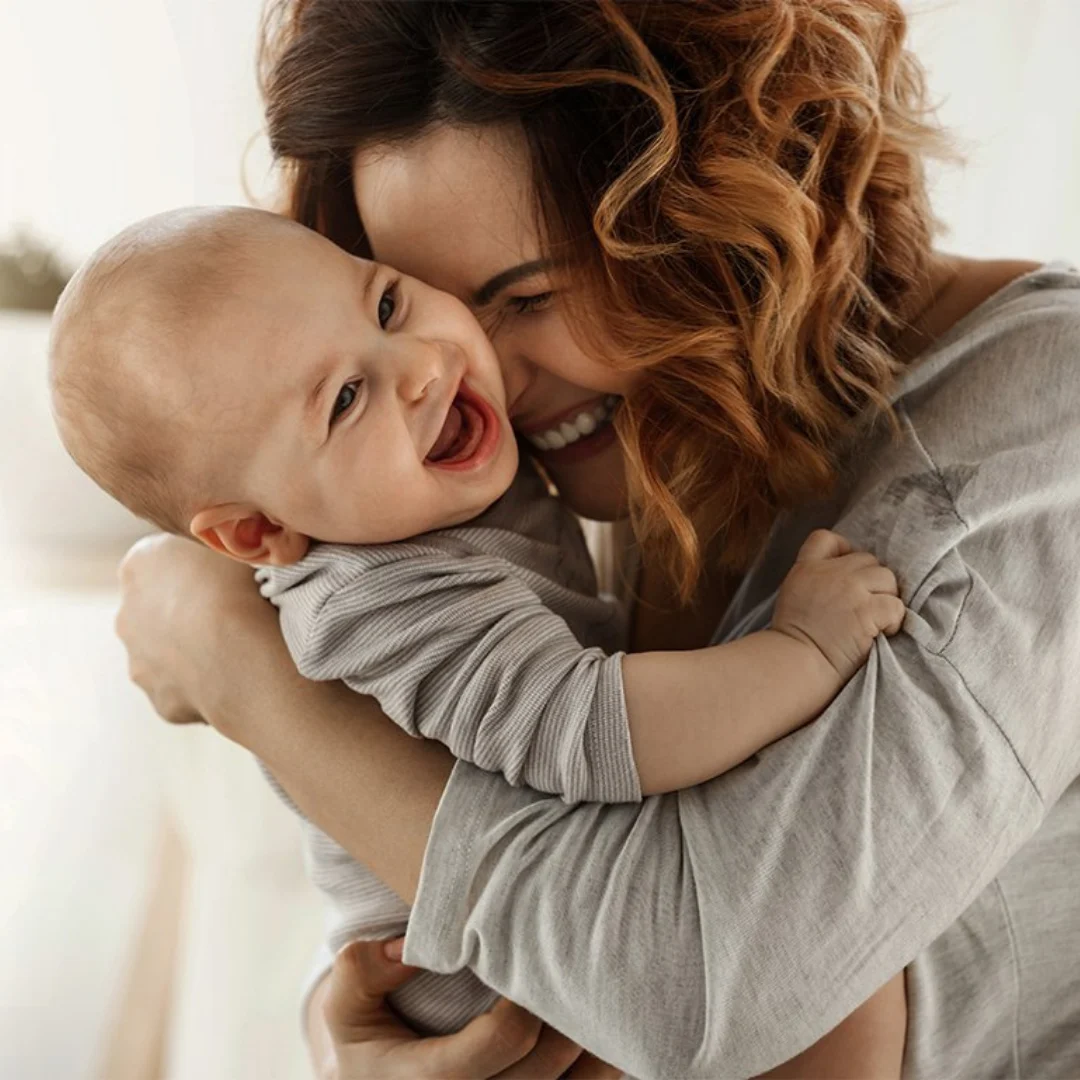
My five-year-old son has often been mistaken for a girl, primarily due to his beautiful long hair and charming features. One memorable morning on the school bus, a woman complimented me, saying, “Your daughter has such lovely hair.” I smiled and responded, “Thank you! He certainly does.” Her expression quickly shifted from delight to discomfort, and she moved away.
On another occasion, I overheard a boy teasing my son, calling him a girl. A fierce look from me and a firm “Hey!” were enough to send him scurrying off. My son has faced the refrain “boys don’t have long hair” or “boys shouldn’t do that” far too many times already.
As a woman, I understand the pressure society places on individuals regarding their gender roles. From the moment we think about having kids, we are bombarded with rigid expectations—pink for girls, blue for boys, long hair and bows for girls, and short hair for boys. Girls are often steered toward nurturing roles while boys are pushed toward toughness. Having boys has made me acutely aware of how these norms affect them too.
My son enjoys wearing dresses and painting his nails, and we’ve had extensive discussions with his daycare provider to ensure he feels accepted. My partner, a wonderful man, even painted his own nails to set an example for our son. Recently, my son chose a rather peculiar orange-and-white striped shirt adorned with eight pockets—an odd choice, but he loves it, and that brings me joy.
It’s heartening to see a growing movement toward embracing diversity, equality, and personal choice over outdated gender stereotypes. Companies like Boy Story are launching lines of dolls aimed at boys, challenging conventional norms, and proving that toys don’t have to be gendered. This shift in perspective is a step forward.
My husband exemplifies that men can be nurturing and emotionally intelligent, often taking on roles traditionally associated with women. I admire his willingness to engage in caretaking, while I know I wouldn’t choose to stay home unless necessary. I believe it’s essential to resist societal pressures regarding our roles and simply be ourselves. Isn’t that the path to true happiness and fulfillment? If my son aspires to be a fashion designer or pursues any passion deemed “feminine,” that should be celebrated.
Ultimately, I cannot shield my son from societal pressures, but I can instill confidence in him to embrace his authentic self. I believe that the more he stays true to himself, the more remarkable he will become.
For more insights on navigating parenting and family planning, check out this excellent resource on family-building options.
Summary
In this heartfelt exploration of gender norms, Jamie Lee shares her experiences as a mother encouraging her son to embrace his individuality amidst societal expectations. She emphasizes the importance of allowing children to express themselves freely, regardless of traditional gender roles, and highlights the growing acceptance of diversity in toys and interests.