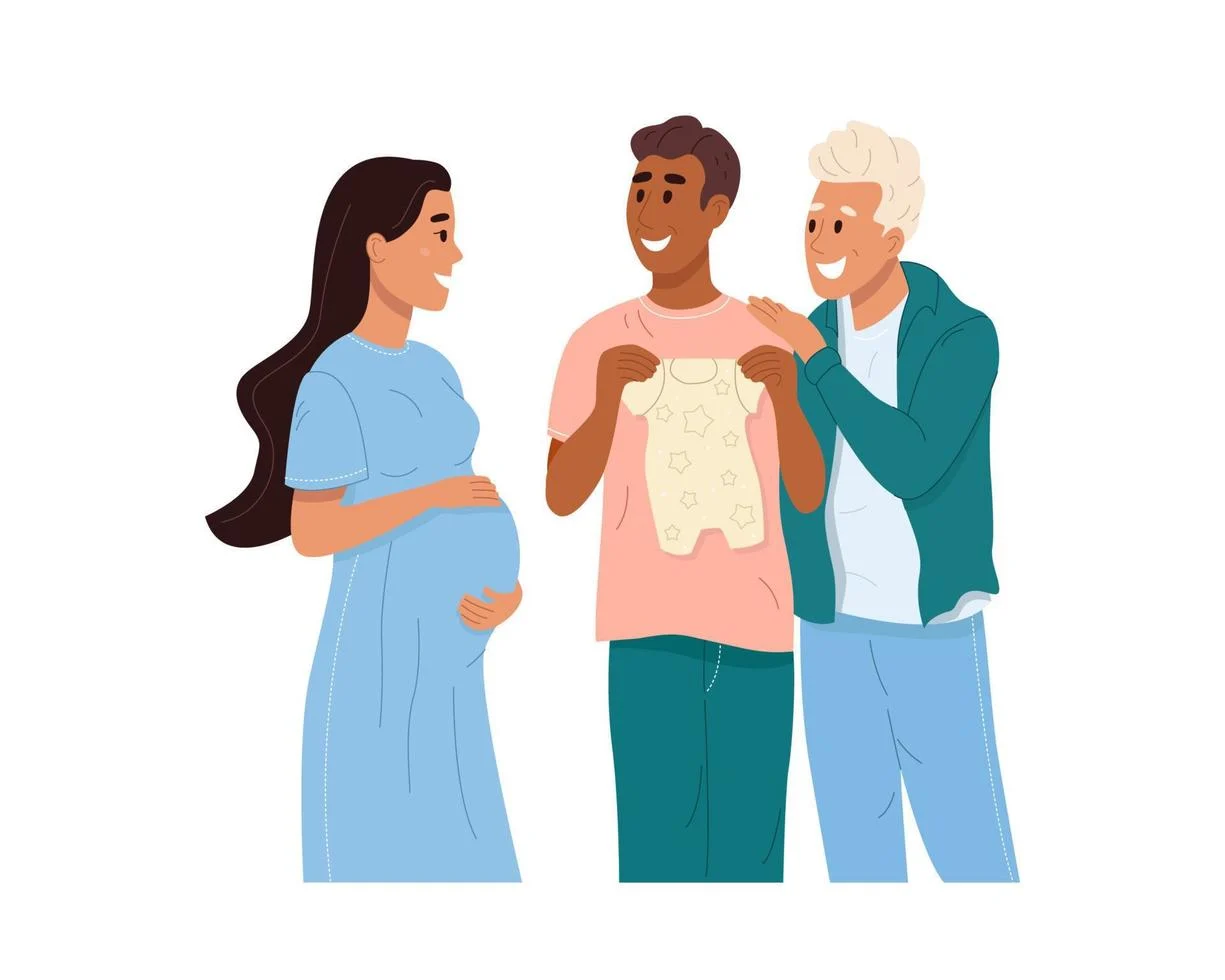
My initial 18 weeks of pregnancy were nothing short of blissful. Sure, I battled daily nausea and couldn’t bear the sight of greens, but these challenges were easily overshadowed by the excitement of preparing for our little one. We transformed the nursery, chose a name, and even created a comprehensive checklist of stroller safety features. Then, everything changed abruptly.
I awoke one morning to intense pain in my lower abdomen. After several tests, I was diagnosed with multiple fibroids, one of which was the size of a football and pressing dangerously on my cervix. Medical terminology flooded my mind, but it essentially meant that my baby was in serious jeopardy. The doctor warned that reaching 24 weeks would be a challenge, and I was ordered to stay in bed for the rest of my pregnancy, with specific instructions to keep my hips elevated. So, not only did I have to nurture a growing human, but I also needed to master some awkward yoga poses. Five months of bed rest followed, leading to valuable lessons along the way.
1. Trust Your Instincts.
When I first reached out to my doctor about the discomfort, she reassured me it was likely normal, prompting me to delay my visit until my routine appointment. I didn’t want to come off as an overly anxious mom-to-be. However, waiting to see a specialist until the next day only prolonged my uncertainty. In hindsight, my gut feeling that something was wrong should have prompted me to push for an earlier appointment.
2. Find a Trustworthy Doctor.
Being classified as high-risk made me feel like I was in the VIP section of maternity care. Yet, the large practice often shuffled me around, leading to conflicting opinions from various practitioners. Finally, I took charge and insisted on seeing only one doctor—someone with a reputation for handling complicated situations and a sense of humor. This choice was one I never regretted.
3. You’re Not Alone.
While being confined to my couch felt isolating, I quickly discovered a wealth of online communities filled with women experiencing similar challenges. Although we couldn’t meet for coffee, knowing there were others out there who felt just as scared and bored was comforting. Pro tip: steer clear of Googling your symptoms—trust me!
4. A Support System is Essential.
If there was ever a moment to excuse myself from household responsibilities, it was then. Initially, I hesitated to ask for help, fearing I was burdening others. It turns out, people genuinely enjoy assisting expectant mothers! I reached out to neighbors, family, and even local volunteers to lend a hand. I convinced my best friend to bring over take-out and watch old episodes of our favorite show together.
5. Establishing My Sanctuary Was Key.
I went all out when it came to making my bed rest experience as comfortable as possible. I invested in luxurious sheets, kept a cooler stocked with snacks, gathered an array of light reading materials, and even upgraded my Netflix subscription. With everything within arm’s reach, I could almost trick myself into thinking I was hosting a grand event. I even wore a playful tiara for added flair—much to my dog’s amusement, of course.
6. Maintain the Romance.
With my main focus being to stay immobile, the thought of intimacy was quite distant. Yet, with the stress surrounding my husband and me, staying emotionally connected was crucial. We had recently launched a business, were undergoing home renovations, and I was an emotional wreck. At one point, the stress had my husband feeling ill too! I planned some cozy evenings together. While he often fell asleep beside me from sheer exhaustion, it was the thought that counted.
7. Flexibility with Birth Plans is Necessary.
In the realm of high-risk pregnancies, the best birth plan is simply to have no plan. One moment, I was dreaming of a peaceful water birth; the next, I was racing to arrange a C-section. Just when I thought I had things figured out, circumstances would shift again. I realized that the smartest thing I did was hire a doula who guided me through every twist and turn. She was an invaluable ally, even catching my husband when he fainted!
8. Self-Forgiveness is Crucial.
I often felt responsible for the complications and questioned my ability to be a good mother. How could I care for my baby if I couldn’t protect him while he was still inside me? This negative mindset led me to a dark place that was tough to escape. I had to continually remind myself that I was enough, that my decisions were valid, and that I would be a wonderful mother.
Five months post those alarming symptoms, my healthy baby boy arrived on his due date. The journey was challenging, but we emerged stronger for it. Plus, I discovered that keeping my legs elevated for hours unexpectedly added a spark to our relationship!
If you’re interested in more insights, feel free to check out this resource for additional information. And for those looking for guidance on home insemination, this link is a fantastic resource. For comprehensive information on IVF, consider visiting this page, which offers valuable insights.
Summary
Navigating a high-risk pregnancy and bed rest can be daunting, but it also brings valuable lessons. Trusting your instincts, finding the right medical support, and establishing a solid support system are key. It’s essential to create a comfortable environment, maintain emotional connections, and embrace flexibility with birth plans. Finally, self-compassion can help you overcome guilt and foster a positive mindset as you prepare for motherhood.