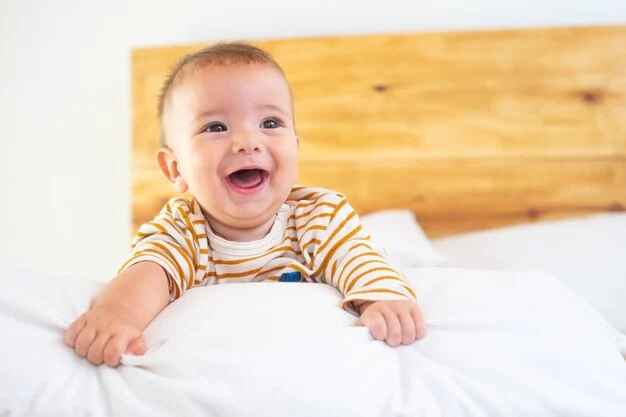
Raise your hand if you have a baby or toddler whose bedtime routine resembles a scene from a horror movie. If you were to peek into my home on any given night, you’d find me close to tears, trying everything from soothing whispers to bedtime stories, singing lullabies, gentle rocking, pleading, and even the occasional bribe to coax my little ones into slumber. It’s a marathon that seems to contribute to my premature graying hair. And I know I’m not alone in this struggle. The National Sleep Foundation states that toddlers and preschoolers need between 11 to 13 hours of sleep each night. But actually getting them to sleep? Good luck with that!
Putting kids to bed is one of the toughest battles of parenthood. Much of this stress comes from the immense pressure we feel to ensure our children receive adequate rest for their growing bodies and minds. But let’s be real: we mostly want them to go to sleep so we can finally enjoy some well-deserved downtime, right?
Enter Science
That’s where science steps in. Researchers from Mindlab International, alongside Marconi Union and the British Academy of Sound Therapy, joined forces to create the ultimate relaxation track designed specifically to lull children to sleep. The result? A song titled “Weightless,” released in 2011, alongside a whole playlist of what they deem the world’s most sleep-inducing tracks.
So, what does this mean for weary parents? With its calming low-pitched sounds and a rhythmic heartbeat, “Weightless” holds promise in helping your little ones drift off to dreamland.
My Experience with “Weightless”
But does it actually work? I decided to give this track a whirl myself. First off, it has a vibe reminiscent of ’90s Gregorian chant music—anyone remember that? It might have led to some interesting teenage experiences back in the day. Secondly, I found it to be pretty dull, which I suppose is the goal if you’re trying to relax a child to the point of snoozing. And sure enough, I felt myself yawning—an encouraging sign!
Next up, it was my kids’ turn. We queued up the song on YouTube, dimmed the lights, and tucked everyone in. As expected, they were jabbering and giggling, clearly not ready to be hypnotized into sleep, but I was willing to give science a shot.
The track is about eight minutes long and features slow, nature-inspired sounds. After a few reminders to stay quiet and listen for the gentle heartbeat and rustling wind, my kids slowly began to yawn. All signs pointed to a successful bedtime—thank you, science!
The accompanying video is pretty calming too, showing a serene lake with what looks like a trippy bird floating around. I’m not convinced any child can stay awake long enough to watch the whole thing, and that’s the hope, right?
Are We Just Bored?
Claims like these may sound familiar; every so often, an expert claims to have discovered a magical remedy for getting kids to sleep. Remember the bestselling book that promised to put even the most restless children to sleep? Yeah, I remember that too, and it didn’t quite hit the mark.
How did my kids fare with the song? After about 20 minutes of being encouraged to stay in bed and listen to this exceptionally tedious track, they eventually dozed off. Did I really need a song for that? It raises the question of how much of their sleepiness was due to the scientific approach versus sheer boredom. Science is fantastic for many things, but getting kids to sleep might be more challenging than it seems. Tired kids often find ways to avoid bedtime, no matter the method.
Desperate times call for desperate measures, and I’m willing to try anything—just like many other parents out there.
Further Reading
If you’re interested in more about home insemination and parenting tips, check out our related blog posts. For detailed insights on pregnancy and home insemination, this NHS resource is an excellent resource. And for an authority on self-insemination, visit Make a Mom.
Conclusion
In summary, the collaboration of science and music may offer some hope for weary parents trying to get their little ones to sleep, but results can vary. As we all know, every child is unique, and what works for one might not work for another.