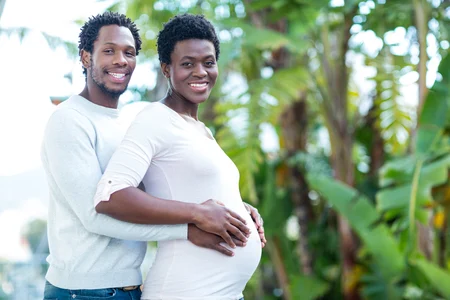
It’s fascinating how many conflicting messages mothers receive about the safety of breastfeeding during pregnancy. In my experience as a lactation consultant and volunteer counselor over the past seven years, I’ve seen mothers face an array of advice. Some healthcare providers insist that breastfeeding while pregnant is outright dangerous and should be avoided at all costs. Others suggest that weaning should happen sooner rather than later. Meanwhile, some moms are reassured that it’s completely safe and shouldn’t be a cause for concern. Talk about confusing!
For mothers who find themselves pregnant while still nursing, the decision to continue breastfeeding can be deeply personal. Some may feel inclined to wean as soon as they learn they’re expecting, especially if they experience discomfort due to pregnancy hormones or fatigue. It’s also common for young nurslings to become fussier, and some mothers might notice a decrease in milk supply. Ultimately, if a mom decides to end her breastfeeding journey, she doesn’t owe anyone an explanation.
On the flip side, many mothers choose to maintain their breastfeeding relationship through pregnancy. They may feel it’s still beneficial for both them and their child, and nursing can provide a much-needed moment of rest amidst the demands of pregnancy. Importantly, breast milk retains its nutritional value throughout pregnancy, even if the quantity diminishes.
Navigating Choices Safely
Given the varying advice from different sources, how can mothers navigate their choices safely? As a breastfeeding support person, I can’t provide medical advice, but I can refer moms to credible, evidence-based resources. Research indicates that breastfeeding is rarely contraindicated for healthy pregnant women.
For instance, the Academy of American Family Physicians (AAFP) emphasizes that if the pregnancy is normal and the mother is healthy, the choice to continue breastfeeding is entirely up to her. They note that breastfeeding beyond infancy offers significant health benefits for toddlers, underscoring the importance of continuing the nursing relationship when possible.
Similarly, the American Academy of Pediatrics (AAP) has stated that breastfeeding during pregnancy is safe, while recommending that mothers with a history of miscarriage or premature birth consult their healthcare providers if they experience any unusual uterine contractions. This concern stems from the understanding that nipple stimulation can lead to contractions, which many know can trigger labor.
Research, however, has shown no definitive evidence linking breastfeeding during pregnancy to an increased risk of miscarriage or premature labor. A 2012 study published in the Journal of Nursing Research found no significant differences in preterm birth rates between women who breastfed during pregnancy and those who did not. In a 2009 study from the Journal of Obstetrics and Gynecology Research, researchers found similar miscarriage rates between breastfeeding and non-breastfeeding mothers, concluding that breastfeeding does not elevate miscarriage risk.
La Leche League International has compiled various studies on the subject, all supporting the safety of breastfeeding while pregnant.
Trust Your Instincts
So, if you’re still receiving conflicting messages despite your research, trust your instincts. If you feel strongly about continuing to breastfeed during pregnancy, seek out a healthcare professional who respects your choice. Additionally, you may want to surround yourself with supportive friends or simply tell the naysayers to back off. Remember, this is your body, your pregnancy, and your family. Gather reliable information, find the support you need, and do what works best for you. If breastfeeding during pregnancy feels right for you, embrace it, supermom!
For more tips on pregnancy and home insemination, check out this excellent resource and explore this insightful post about home insemination kits.
In summary, breastfeeding during pregnancy is generally considered safe for healthy mothers, as supported by reputable organizations and research. It’s essential for mothers to make informed choices that feel right for them and their children.