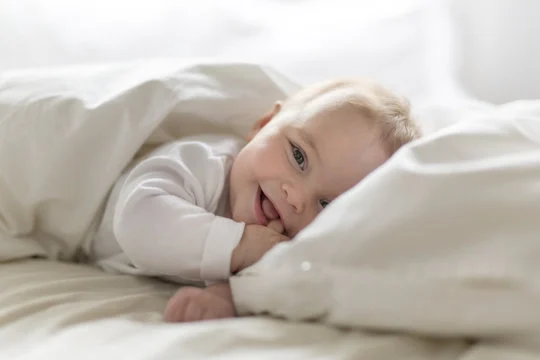
As a parent of two wonderfully androgynous children, I’ve seen my fair share of misgendering. My son, who has always been mistaken for a girl since infancy, draws attention with his striking eyelashes and charming features. Now that he’s older, it’s his long hair that often confuses people. It’s quite rare for someone unfamiliar with him to refer to him as a “he.”
My daughter, born second, frequently wears hand-me-downs from her brother. While I’ve added some floral dresses to her wardrobe, she often sports jeans, black hoodies adorned with dinosaur spikes, and gray T-shirts featuring motorcycles or bears. Unlike her brother’s luxurious hair, she has a modest mop on her head, and while misidentifying her isn’t as common, I occasionally hear people refer to her as a cute little boy.
Most of the time, I don’t bother correcting anyone. Often, my kids are too preoccupied to notice. If my son does catch someone calling him a girl, he usually corrects them himself, which I’m perfectly fine with. In general, we just let it slide because, honestly, it doesn’t matter. Misgendering doesn’t ruin our day.
However, when I’m in a situation where we might see someone repeatedly, like at a playgroup, I’ll politely clarify their gender. It’s a bit awkward for someone to find out after months of calling my daughter “Little Dude” that she’s actually a girl. But when I do correct them, they often respond with sincere apologies, looking genuinely embarrassed. “Oh, I’m so sorry!” they exclaim.
It’s okay, friend. You didn’t commit a crime; you simply used the wrong pronoun. Let’s move on. What perplexes me is the level of horror people display when they misidentify the gender of my babies. When swaddled and smelling of that irresistible “new baby” aroma, who can really tell whether they’re admiring a boy or a girl? Additionally, when a doctor announces whether it’s a boy or girl just after birth, it’s not crucial for anyone else to confirm.
That’s why I don’t feel the need to correct strangers. Their assumptions about gender are not something I take to heart. In fact, I appreciate that my children are growing up with a broader understanding of gender. At just four years old, my son is only now beginning to distinguish between boys and girls. He knows he’s a boy and that his sister is a girl, yet he doesn’t confine himself to “boy” or “girl” categories.
Both of them enjoy a mix of activities—trucks, dolls, puzzles, and coloring. They love being outside and testing who can scream the loudest before I lose my patience! It’s fascinating to see their natural inclinations without any nudging from me. My son is gentle and enjoys quiet time with books, while my daughter is adventurous and often found swinging from the ceiling. Each day, they reveal new facets of their personalities to me.
So don’t stress too much about guessing their gender. You have a 50/50 chance, and it’s really not a game with winners or losers. No apologies are necessary. My kids are simply that—kids. They have plenty of time ahead to embrace their identities as a girl and a boy. For now, I cherish them just as they are.
For more insights on parenting and home insemination tips, you might find this post on intracervicalinsemination.com helpful. And if you’re looking for ways to boost fertility, check out Make a Mom for expert advice. Additionally, the Genetics and IVF Institute is an excellent resource for pregnancy and home insemination information.
In summary, embrace the quirks of childhood and don’t fret over misgendering. It’s a part of growing up, and what truly matters is that they feel loved and accepted for who they are.