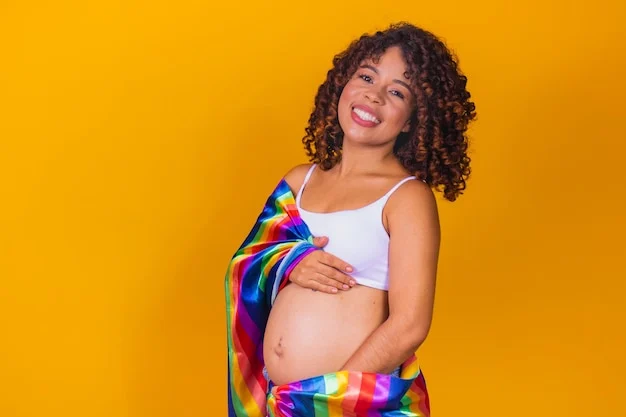
In my seven years of working with breastfeeding mothers as both a volunteer counselor and a lactation consultant, I’ve consistently observed the conflicting messages surrounding the safety of breastfeeding during pregnancy. Some mothers receive a firm warning from their healthcare providers that breastfeeding while pregnant is completely unsafe under any circumstances. Others are given gentler advice, suggesting they wean as soon as possible. Then, there are those who are assured that it is perfectly fine and there’s nothing to worry about.
Talk about confusing!
First and foremost, the decision to continue breastfeeding during pregnancy is deeply personal. For some mothers, learning they are pregnant while still nursing can feel like a cue to stop. Hormonal changes during pregnancy can make breastfeeding uncomfortable, particularly when nausea or extreme fatigue strikes. Additionally, many toddlers may become fussier at the breast, and some mothers may notice a reduction in milk supply during this time. If a mom decides to end the nursing relationship, she is not obligated to explain her choice to anyone.
Conversely, many mothers choose to continue breastfeeding throughout their pregnancy. They may feel that the bond they share with their child is still beneficial for both of them. Breastfeeding can also offer a comforting moment of rest for a busy mom, providing an excuse to snuggle up on the couch with her little one. It’s important to note that breast milk maintains its nutritional value during pregnancy, even if the volume may decrease.
Naturally, every mother wants to ensure the safety of her pregnancy and unborn child. So what should a mother do when she receives conflicting information from health professionals, family, friends, and even fellow breastfeeding moms?
As a breastfeeding support person, I can’t provide medical advice, but I can guide mothers to reliable, evidence-based resources. There is a significant body of research indicating that breastfeeding is usually safe for healthy pregnant women.
For instance, the Academy of American Family Physicians (AAFP) published a position paper that clearly states that healthy mothers have no reason to wean during pregnancy. They emphasize that “if the pregnancy is normal and the mother is healthy, breastfeeding during pregnancy is the woman’s personal decision.” They also note that extended breastfeeding has health advantages for toddlers, advising mothers to continue nursing if their child is under two years old, as weaning may increase the child’s risk of illness.
Similarly, the American Academy of Pediatrics (AAP) has made statements affirming the safety of breastfeeding during pregnancy, while advising mothers with a history of miscarriage or premature birth to consult with their healthcare providers if they experience any unusual uterine contractions.
Concerns about miscarriage or preterm labor arise from the understanding that nipple stimulation can lead to contractions, which is sometimes used as a method to induce labor when overdue. But does research support the idea that breastfeeding during pregnancy increases the risk of miscarriage or preterm labor?
La Leche League International recently reviewed the research on this topic and found no definitive evidence linking breastfeeding to these risks. For example, a 2012 study published in the Journal of Nursing Research compared two groups of women: those who breastfed for 30 days or more during pregnancy and those who did not. The findings revealed no significant differences in premature births or healthy birth weights between the two groups.
Furthermore, a 2009 study in the Journal of Obstetrics and Gynecology Research examined miscarriage rates among breastfeeding and non-breastfeeding mothers. The results showed 7.3% of breastfeeding mothers experienced miscarriages, compared to 8.4% of non-breastfeeding mothers, with no statistically significant differences between the two groups.
La Leche League’s article cites additional studies and expert interviews, all concluding that breastfeeding during pregnancy is safe.
If a mother continues to receive conflicting information despite her research, I advise her to trust her intuition. If continuing to breastfeed during pregnancy feels right, she may want to seek a healthcare provider who supports her choice. It could also be beneficial to surround herself with supportive friends—or simply tell the skeptics to be quiet.
Ultimately, this is your body, your pregnancy, and your children. Gather accurate information, seek supportive people, and determine what works best for you. If breastfeeding during pregnancy is part of your journey, embrace it, you incredible multitasking mama!
For more insights about pregnancy and home insemination, check out this excellent resource on the IVF process, and learn about the various options available to you. Additionally, if you’re interested in tools for self-insemination, visit this page on at-home intracervical insemination syringe kits for more information.
Summary:
Breastfeeding during pregnancy is a personal decision that can vary widely among mothers, with differing opinions from healthcare professionals. Research indicates that breastfeeding is generally safe for healthy pregnant women and does not significantly increase the risks of miscarriage or preterm labor. Mothers should trust their instincts and seek supportive resources that align with their choices.