During a meeting with my colleagues in the English department, I announced, “I can’t teach anyone younger than a senior.” It was a late spring afternoon, and the distant shouts from baseball practice drifted through the open windows. If I stood up, I could see the perfectly manicured lawn, the baseball field, and the red dirt of the practice diamonds.
This time of year is always a transitional phase, as students start to disengage post-spring break, and teachers begin contemplating their future classes and responsibilities. “I’m done with freshmen,” I reiterated, determined not to return to those chaotic early high school years. After years of teaching 15-year-olds, I longed for a classroom with a bit more maturity—at least enough to handle Shakespeare without giggles over every mention of romantic intrigue.
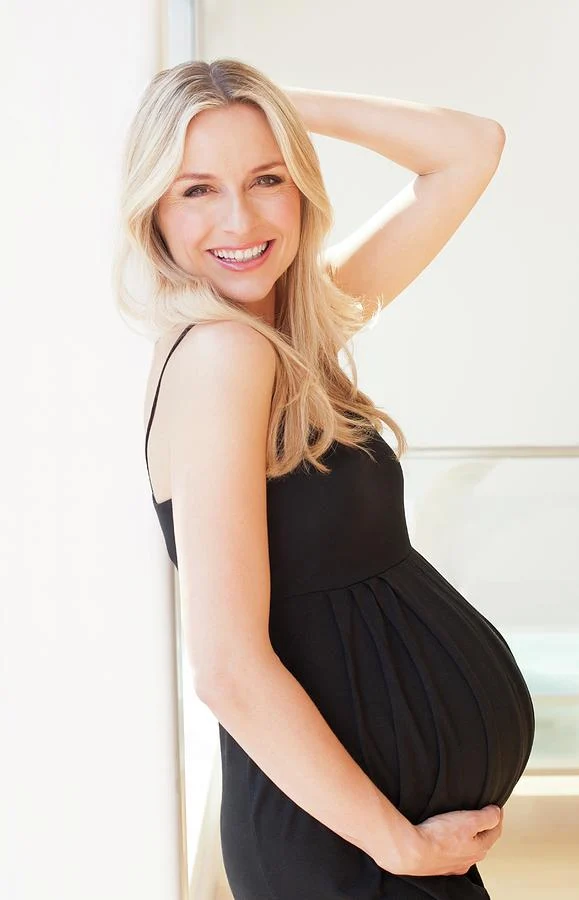
Then, unexpectedly, I found out I was pregnant. My background with babies was virtually nonexistent; I was the youngest in my family, and my experience with children mainly consisted of reading the Baby-Sitters Club series. My husband, too, was no seasoned pro. Our friends with children had long since mastered the art of parenting, while we fumbled awkwardly with their little ones. We were clumsy and unsure, struggling to understand basic things like sippy cups and baby sign language. Nobody asked us to babysit.
By the time we became pregnant, we were eager for children, but that enthusiasm didn’t mean we were prepared for the reality of parenthood. It’s much like a child asking for a puppy without grasping the responsibilities of pet ownership—there’s a big difference between wanting and knowing.
We envisioned the typical baby: a perfect, sweet-smelling bundle of joy. But our son arrived prematurely, leaving us little time to prepare for the whirlwind ahead. Honestly, is anyone ever truly ready for their first child? Attempting to convey the exhaustion of new parenthood to someone without kids is like trying to describe a sunset to someone who has never seen.
Here’s the truth: I didn’t experience that magical moment where everything clicks into place when you first see your baby. My son’s birth was dramatic and filled with uncertainty, and I barely got to hold him before he was whisked away to the NICU. Weeks passed where all I could do was gently touch him, surrounded by a maze of wires and machines. I was terrified—of my son, of my ability to care for him, fearing that the machines were doing a better job than I could.
The early days of motherhood were tough, filled with those horror stories that seasoned moms often share but don’t mention until you’re in the thick of it. My son was medically fragile, and while my fear eventually transformed into competence, it was rarely joyful.
Then, time worked its magic. Days turned into weeks, weeks into months, and eventually years. I found my rhythm—a comfortable, fulfilling rhythm.
These days, I no longer teach high school. Instead, I educate my three young children who still fit into single-digit ages. I’m teaching them letters, numbers, and the importance of saying “sorry” sincerely. I traded Shakespeare for Llama Llama, and I wouldn’t change a thing. My love for my kids, with all their quirks and unique traits, fills my heart.
But I must confess, I still don’t like babies. I have no desire to return to that stage. Some people are natural “baby” lovers, relishing the tiny outfits and the closeness that comes with baby-wearing. Not me—I’m relieved to have moved beyond that phase.
It’s vital to remember that you won’t love every aspect of parenting. Disliking the infant stage doesn’t mean you won’t cherish the later years (let’s leave puberty out of this!). It’s perfectly okay. You can express your feelings openly to your partner during those family discussions. It’s crucial to create a survival plan, to understand that this moment is not permanent, and that you will regain sleep and find your footing in parenting. You don’t need to adore babies to be a great mother.
For those interested in more resources about pregnancy and home insemination, check out the CDC’s informative guide here, and for at-home insemination solutions, visit Cryobaby.
In summary, being a good mother isn’t about loving every single moment or stage of parenting. It’s about growing, learning, and finding joy in your journey, even if that doesn’t include a fondness for infants.