I’m currently nine days post-partial hysterectomy, where my ovaries were left intact, but my cervix, uterus, and Fallopian tubes were removed. The sensation these past days has been akin to having my insides played with, like they were kicked around a soccer field and then stuffed back in, only to be inflated with what feels like a balloon of air, all sealed up tightly.
For years, I endured a cycle of heavy periods, unpredictable bathroom situations, and debilitating cramps. My monthly visits from Aunt Flo used to last a week but had extended to two weeks, sometimes even longer. Birth control wasn’t working for me, as I’d find myself bleeding mid-pack. I was exhausted and fed up—something had to change.
After a candid conversation with my gynecologist, I considered a hysterectomy—my family was complete with two boys and a stepson, so there was no desire for more kids. I felt it was time to take this step.
I delved into research about laparoscopic hysterectomies, finding plenty of positive accounts praising less pain and recovery time. I even prepared for my surgery, focusing on nutrition, exercise, and relaxation techniques. I visualized a smooth operation and a simple recovery. The promise of a “period-free bliss” sounded enticing—who wouldn’t want that?
In my eagerness, I overlooked some realities that would hit me post-surgery. My doctor assured me that if all went well, I could go home the same day. I naively thought I would be one of those effortless recoverers. Spoiler alert: reality had other plans.
1. Post-surgery, you may wake up shaking uncontrollably.
I likened it to running a marathon I’d never trained for. The medical team administered Demerol to calm me down, and I found myself chatting about how beautiful the nurse was—awkward yet amusing.
2. You might feel like a balloon filled with air.
They pump air into your abdomen for visibility during surgery, and once it’s over, you’re left with that discomfort for days while your body gradually absorbs it.
3. The act of urinating can become a lengthy ordeal.
You might need to shift positions multiple times, and having someone lift your feet can be a game-changer—thanks to my partner for his help!
4. If you’re a coffee lover, don’t skip the caffeine!
Going without could lead to a debilitating headache. I learned this the hard way, experiencing a migraine that had me begging for relief.
5. Pain can linger longer than you might anticipate.
I felt a sensation of pressure every time I stood, but thankfully, nothing was actually falling out.
6. Eating may not be as enjoyable as you’d hope.
I experienced significant stomach cramps whenever I tried to eat anything beyond broth or smoothies, prompting me to rethink my pain medication.
7. Let’s talk about the struggle of pooping.
It was an ordeal that my husband helped navigate, trying various remedies until we finally found the right solution. I think he bought out the entire pharmacy section dedicated to bowel relief.
8. Don’t be alarmed if you look a bit bloated afterward.
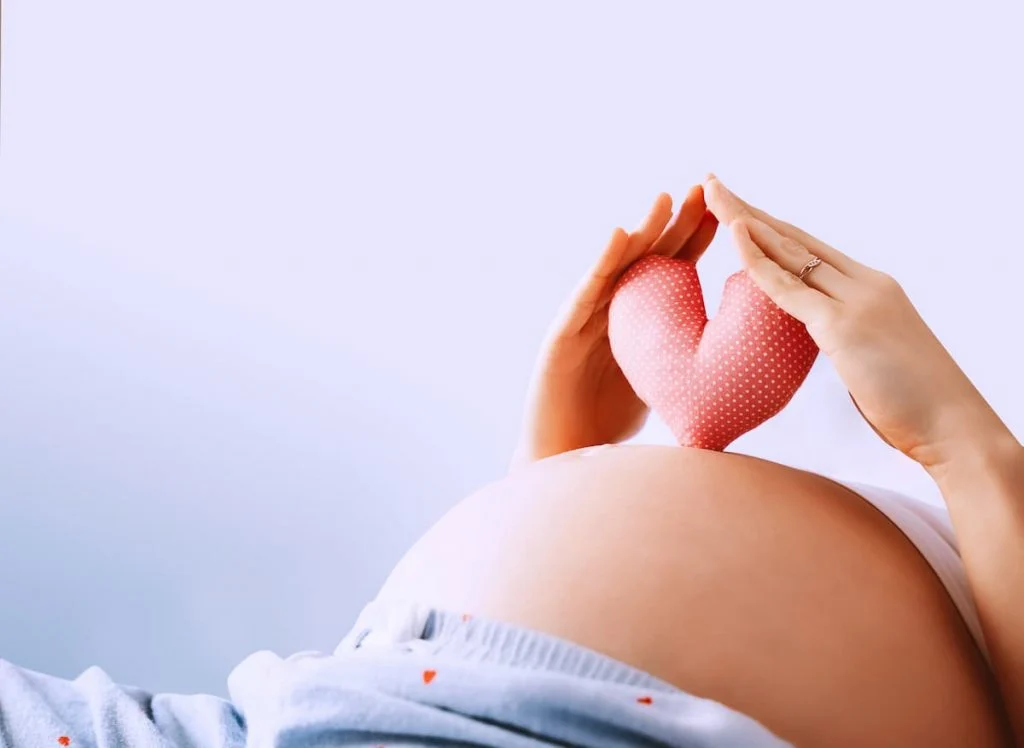
It’s entirely normal. Your abdomen may resemble a small baby bump due to inflammation and inactivity, so keep loose clothing handy.
9. Having a support system is crucial.
My partner was my rock, assisting with everything from meal prep to helping me shower. His presence made all the difference during this challenging time.
Reflecting on the journey, I recognize that I removed parts of my body that had caused pain and frustration for far too long. It’s a strange mix of emotions, letting go of what once nurtured my children while also embracing the healing process.
Nine days post-surgery, I’m starting to feel more like myself. Yes, there’s still some pain, but my body is undertaking an incredible journey of healing. Looking in the mirror, I see five small incisions and a bloated abdomen, yet I can’t help but find beauty in the resilience of my body.
If you find yourself facing a similar path, remember to be compassionate with yourself. Each recovery is unique, and what matters most is finding a way to navigate through it gently. Allow others to support you in this time of healing, whether it’s through meals or simply keeping you company.
For more insights on this topic, check out our post on privacy policies and visit BabyMaker’s home insemination kit for additional resources. If you’re looking for more information about donor insemination, this guide is an excellent resource.
Summary:
A hysterectomy can be a transformative experience, often accompanied by unexpected challenges. From post-surgery shaking and bloating to the importance of support, understanding what to expect can make the journey smoother. Each recovery is personal, and being kind to yourself is essential.