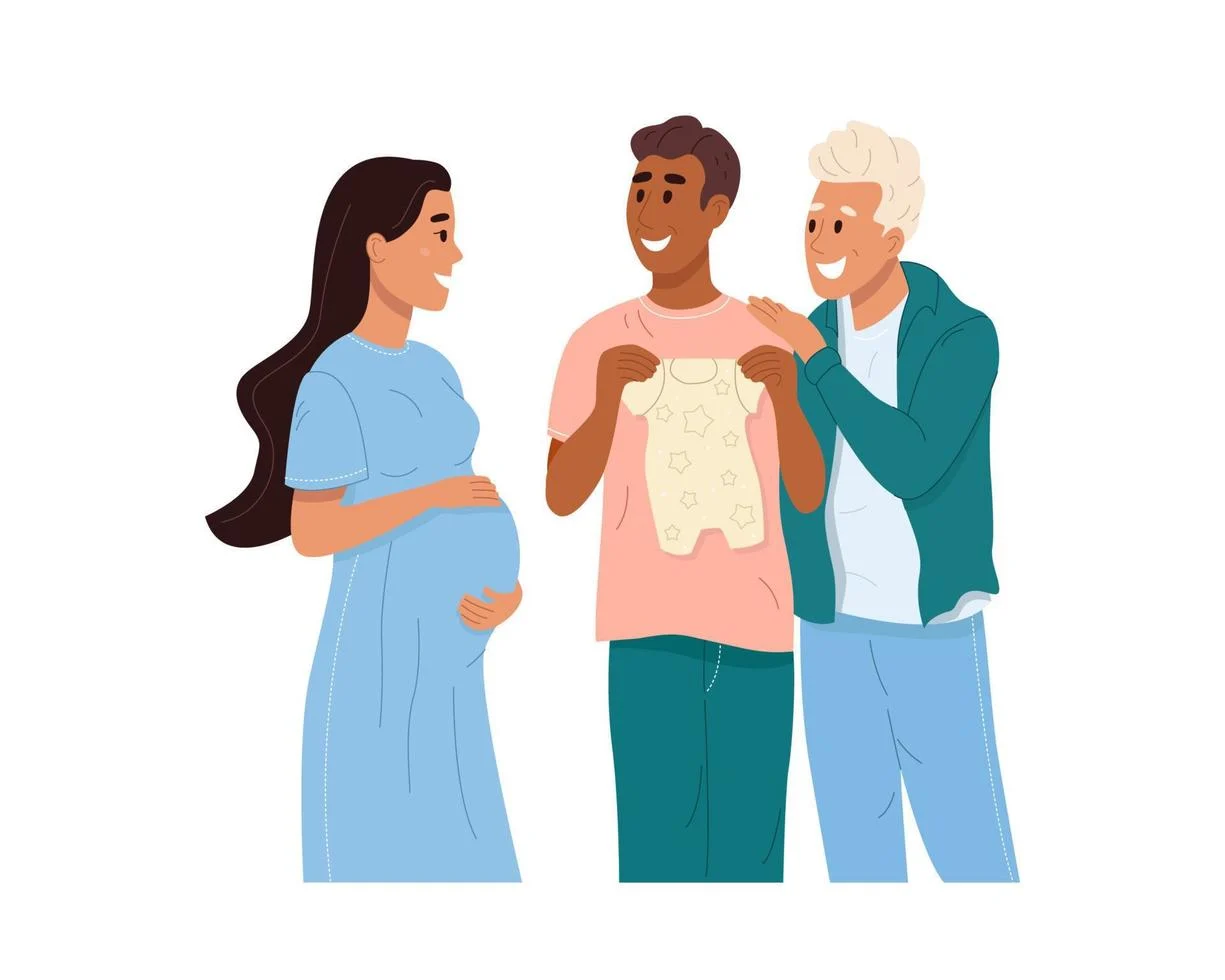
Recently, my 6-year-old daughter, Lily, attended her very first baby shower. A friend of the family is expecting a baby girl, and the invitation encouraged children to join the festivities, which thrilled my little one. Naturally, she was captivated by the delightful pink decorations and the candy spread. On our way home, she bombarded me with questions.
“Mom, if someone has another baby next year, can they have another shower?” she asked.
“I believe so. Every baby deserves a celebration,” I replied. “Plus, I’m all for any reason to indulge in cake.”
“Are you going to have more babies, Mommy?”
I clarified that I wasn’t planning on having more kids, and soon after, she started to think about her own future family.
“I don’t care if I have a boy or a girl. I just want a healthy baby,” she declared.
I realized I had expressed that same sentiment countless times during my own pregnancy. It was the go-to response when well-meaning friends or strangers asked about my preference for a boy or girl—“as long as it’s healthy” was the safe, socially acceptable answer that I repeated without much thought.
I understood that Lily was simply echoing sentiments she had likely overheard during the shower, where the parents-to-be had joyfully remarked that they were thrilled to be having a girl, but would have been happy regardless as long as the baby was healthy. However, hearing those words come from her felt different. It struck me that they conveyed an idea I had previously accepted without question.
We often say this phrase because we don’t want to appear selfish by indicating a preference for one gender over the other. After all, if I had a son and confessed to wanting a daughter, would that mean I loved my child less? No parent intends to imply that they would be anything less than overjoyed at the arrival of their baby. However, when we say, “I just want a healthy baby,” we inadvertently suggest that we desire a perfect child and that we’d feel a sense of disappointment if our baby didn’t meet that standard.
The reality is that many families navigate life with children who have special needs. I know just as many families with differently-abled children as I do those without. If I were in their shoes, hearing someone state that all they wanted was a healthy child would feel harsh and exclusionary. I’ve never encountered a parent of a child with special needs who didn’t love their child fiercely or was not endlessly grateful for them. So, why do we continue to say we only want a healthy baby?
In truth, what people often mean is that they wish to spare their child from suffering. I can relate to that instinct, as I too dread the thought of my daughter experiencing pain. While it’s a natural desire, it can also be unrealistic.
When people say they want a healthy baby, they are, even if unintentionally, reinforcing ableism and sidelining those whose children may not fit the conventional mold. The goal shouldn’t be to chastise those who misspeak, but rather to inspire positive change. A more compassionate and inclusive phrase would be: “I want the child I’m meant to have.”
This expression is far kinder, more accurate, and inclusive. By stating, “I want the child I’m meant to have,” we convey openness to all possibilities. Our words stem from love, acceptance, and an appreciation for whatever life brings. It allows for the creation of families without the burden of expectations that could lead to disappointment or resentment.
When we say, “I want the child I’m meant to have,” we affirm our desire for this child, whoever they may be. We embrace their unique mind, quirks, and perspectives, loving them just as they are, regardless of any challenges they may face.
On our way home from the baby shower, I turned to Lily and asked, “Would you love your babies any less if they were sick?”
“Of course not!” she laughed, finding the idea absurd.
“Do you think I wouldn’t want you if you weren’t healthy? No way. I love you no matter what,” I assured her.
“I’ll love my babies the same way,” she replied.
I explained that not every baby is born healthy and that many children are wonderfully unique, reminding her that we love them all the same. “Every baby should be celebrated, right?” I asked.
“Right!” she exclaimed.
“With cake,” she added, and I agreed wholeheartedly.
For more insights into pregnancy and parenting, check out this piece on intracervicalinsemination.com. Additionally, for those seeking resources on fertility, Make A Mom provides excellent information. You can also find valuable insights at the Genetics and IVF Institute.
In summary, the phrases we use when discussing pregnancy can carry significant weight. Opting for more inclusive language not only fosters acceptance but also reflects a deeper understanding of the diverse experiences of families. Let’s strive to create a more loving and supportive narrative around welcoming children into the world.