Introduction
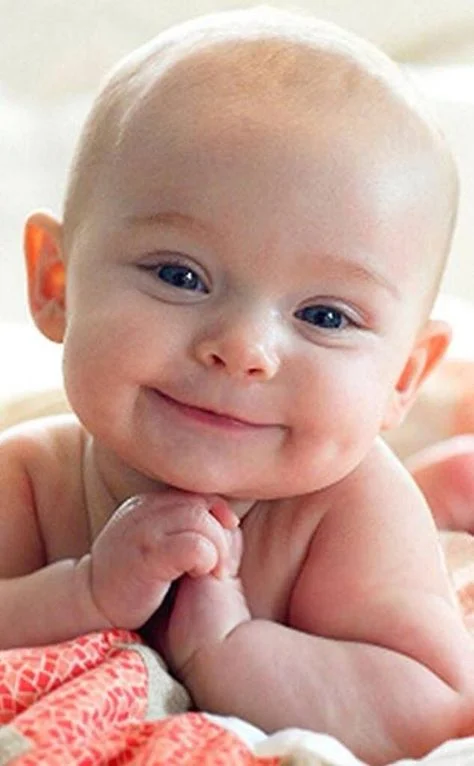
In 2010, I welcomed my daughter, Clara, into the world, three years after my mother passed away from pancreatic cancer. From the moment Clara arrived, with her quirky newborn hair and rosy cheeks, I felt an overwhelming desire for her to know about her grandmother, the woman who had been an integral part of my life. I began talking to her about my mother as soon as I believed she could comprehend, but I didn’t fully consider the complexities that would arise from these conversations.
The Advice I Ignored
When Clara turned five, I was fortunate to have a close friend, Laura, who had decades of experience as an educator. She imparted the best advice I’ve ever received regarding discussing difficult topics with children: when kids ask questions, respond truthfully but don’t overwhelm them with information they aren’t ready for. Unfortunately, I didn’t heed this guidance.
The Grocery Store Revelation
Around the age of three, while waiting in line at a grocery store, Clara boldly declared, “Your mom is dead!” I nodded, putting on my best composed façade. But then came her follow-up: “But where is she?” My mind raced as I tried to explain differing beliefs about death, contrasting those who believe in an afterlife with my own views. I suggested that if she looked closely at nature, she could find traces of her grandmother in the beauty around us. This was just the beginning of many similar discussions.
In my eagerness to introduce Clara to the memory of this remarkable woman who would have showered her with love, I unwittingly created a child who eagerly discussed death. “Your mom is never coming back,” she asserted in the car one day, “and you can’t hear her voice.” She even announced it to the delivery person.
A Tough Question
Despite her frequent inquiries, it took nearly two years for Clara to ask the hardest question. One day, during our drive home from preschool, she asked, “Mom, how did your mom die?” I hesitated but eventually explained, “Her body became very sick, in a way that’s different from a cold.” My mind was flooded with images of social media posts chronicling children battling cancer, filled with hashtags like #hopeforClara and #fightlikeagirl.
“It usually affects older adults,” I continued. “Because she was sick, her body stopped working.” As I spoke, I hoped my answers would be comforting, but Clara wasn’t finished. She followed up with, “Is one day your body going to get sick and stop working?”
“Probably not,” I replied, feeling defeated. I couldn’t bring myself to lie completely. “But am I going to die?” she pressed.
“Everything has a beginning, middle, and end,” I explained. “Including our lives. But you’re just at the beginning, and the end is a long way off.”
Clara sat quietly, processing my words. After a moment, she asked, “Mom?”
I braced myself for another heavy question. “Yeah?”
“Can I roll down my window?”
The Balance of Honesty and Reassurance
I want my children to know everything about their grandmother while also reassuring them that my fate will not mirror hers. Yet, I cannot offer them guarantees. All I can do is navigate these sensitive discussions as best as I can, responding honestly to their inquiries and offering comfort when needed. In the meantime, I strive to create joyful memories that my children can cherish, even if I were to leave this world early. I may yell too loudly when they jump on the couch, but I also surprise them with toys that may not align with my values. We jump in puddles during rainy days in Los Angeles, making the most of our time together.
Conclusion
Ultimately, we exist, and that’s all we can do while we’re here. For more insights on home insemination and parenting, you can explore resources like this informative blog or check out Make A Mom for expert advice. Additionally, NICHHD is an excellent resource for pregnancy-related information.