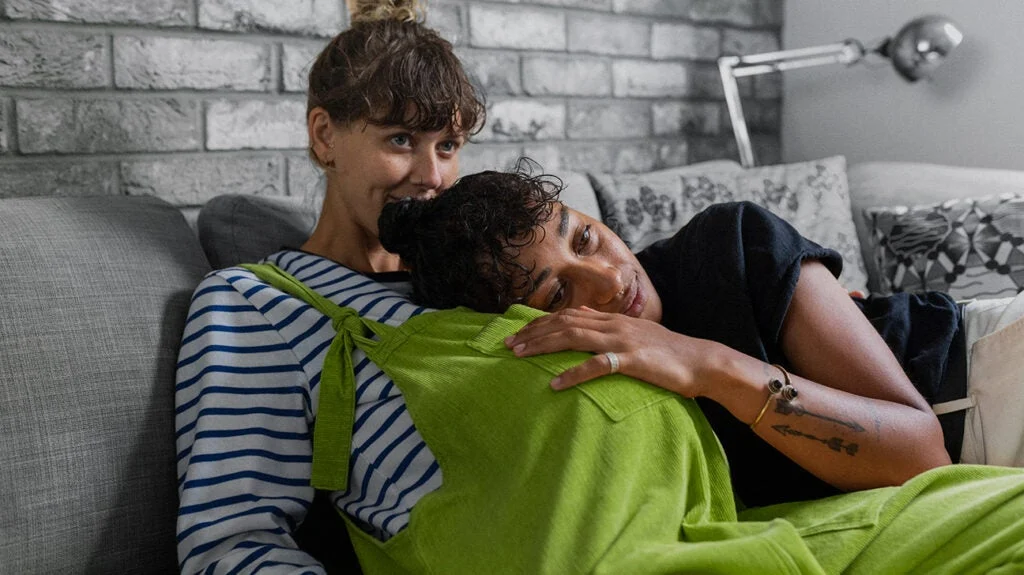
In the quiet of the morning, my little one, Jamie, dreams of a hedgehog costume. He calls it his “animargus” and cuddles a stuffed hedgehog puppet through the night. As he awakens, his tousled hair resembles a golden fuzzball, and he demands blueberry muffins and episodes of Octonauts. He playfully scolds our dogs before curling up beside me on the couch, whispering, “I love you, Mama.” At nearly four years old, he will forever remain my baby. Yet, I am unable to have another.
The pain of knowing I’m done having children is profound, even when I recognize that it’s the right decision. My eldest son recently expressed that he doesn’t want any additional siblings, content with our family of five. However, my middle child quickly pointed out, “But there are only five of us!” A wave of sorrow washed over me, as I realized he too desires another brother. Such conflicting emotions often arise for parents when deciding to stop expanding their family. We may feel complete, yet there’s an undeniable sense of incompleteness.
Initially, our desire was for a larger family — perhaps five or six children. However, due to the medications I need for my health, continuing my pregnancy journey is no longer feasible. I cannot endure another pregnancy with the likely return of severe hyperemesis gravidarum, which previously landed me in the hospital. Thus, my uterus has officially closed its doors.
Adoption remains a possibility for us, but biological conception is now complicated by health concerns and medications. Many women face similar crossroads for various reasons: financial constraints, personal sanity, traumatic medical experiences, health issues like cancer, or the emotional toll of loss. For some, it’s simply a choice to stop.
We’ve reached the finish line. We are finished with baby clothes, carriers, and diapers. The long, exhausting nights of rocking and soothing have come to an end. We will no longer witness those gummy smiles or celebrate first moments like first steps or the joy of fitting into a hand-me-down dinosaur shirt.
There is something uniquely heartwarming about a baby — the way they fit snugly in your arms, their scent, and even those comical moments that follow their hearty feedings. The thought of never experiencing that joy again is almost unbearable.
My heart aches as I grapple with this reality. Seeing expectant mothers only amplifies my grief; they embody a future I can no longer have. When a friend shared her pregnancy news following multiple miscarriages, I should have felt joy for her, but instead, I was overcome with sadness, leading to tears. I even turned off my phone out of shame when she called later.
Such feelings of shame often accompany this realization. We are in mourning for the child we cannot have and face an uncertain future. The days that once seemed filled with the promise of new life now only stretch into the routines of our existing children’s needs.
People often encourage us to appreciate the children we already have, as if this yearning for another is a betrayal of our current blessings. This longing exists separately from the love we have for our children, akin to a child who has savored three chocolates but still craves another. It’s not that we didn’t cherish those chocolates; we adored them so much that we want another.
We have loved our little ones as infants and continue to do so as they grow, yet we yearn for more of that early love. We wish to experience again the slow transformations — the way they grow taller and shed baby fat, the joy of watching them learn new skills. The abandoned doll in the toy bin stirs deep emotions within me, a reminder of the love I long to experience once more.
For now, I will cherish my almost-four-year-old, brushing his golden locks and delighting in his innocent language. I will embrace the unique bond with my nearly six-year-old, who still reaches for my hand, and I will savor the moments with my seven-year-old as he lovingly picks up his baby brother, despite my gentle warnings.
I will love them fiercely, every single one. Yet, in quiet moments, I will grieve for the children I will never have.
In conclusion, navigating the emotional landscape of concluding family growth is complex and deeply personal. Each parent’s journey is unique, shaped by their circumstances and desires. It’s essential to allow oneself to feel the sadness while also celebrating the love that exists.
For more insights on family planning and related topics, you might find this resource helpful. If you’re considering alternative paths to parenthood, check out this at-home insemination kit for further guidance. Additionally, you can explore privacy options in this post.