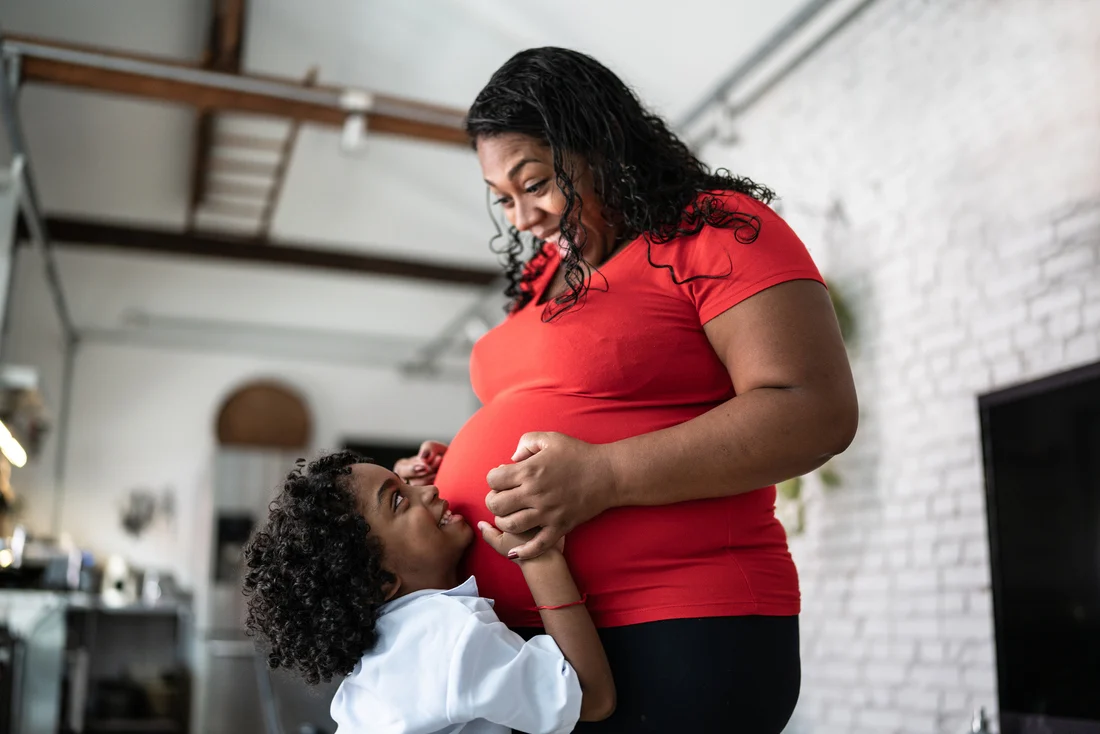
Yesterday marked a significant milestone for my only child, who turned 22. While he may no longer be a child in the traditional sense, he will always remain my baby in my eyes.
The Blessing
From the moment I learned I was pregnant, I had a clear vision of my son. I envisioned his appearance, from his hair and eye color to his dad’s athletic physique. I anticipated his skin tone would blend ours, and I could already see his sense of humor and potential as an outstanding athlete—qualities he has indeed embodied. However, what I did not foresee was that the greatest gift I would receive from God would also come with a heavy weight, simply because he is a Black man.
The Curse
Racism is deeply ingrained in the fabric of our nation, a reality that has persisted throughout history—from the horrors of slavery to the contemporary violence against Black men. This is not an indictment of law enforcement, as I have family members who serve as officers, and I cherish friendships with many in the police force. My concerns extend beyond the potential threats from law enforcement; I worry equally about the dangers he may face from within his own community.
My son is a formidable presence; standing at 6 feet and weighing 230 pounds, he’s a linebacker for the University of Arkansas—Pine Bluff Golden Lions. His dreadlocks and tattoos may lead some to view him as intimidating. In the eyes of certain individuals, he will always be perceived as a threat, regardless of his character. I think of other Black men who were unjustly killed, like Philando Castile and Walter Scott, who lost their lives during routine traffic stops, or Charles Kinsey, who was shot while lying on the ground with his hands raised. It is this reality that fills me with dread for my son’s safety.
The Ride Home
When my son tells me he plans to come home for the weekend, I feel a surge of joy, quickly overshadowed by anxiety. His journey means he will be “driving while Black,” which brings about a list of fears:
- He could be pulled over for a minor infraction and become a trending hashtag on social media.
- He might stop at the wrong store and face violence from individuals who believe he doesn’t belong there.
To ease my anxiety, I ask him to share his location while driving. I know the specific stretch of highway where cell service drops, and I can calculate how many minutes it should take him to cross that area. If I don’t see his car moving after a certain point, I start to panic. My nephews have even taught him how to conduct himself during a traffic stop, as they share the same fears; they are not criminals, yet they live with the constant threat of violence.
All the Other Times
I am acutely aware that my son is at risk within his own community as well. The violence among Black men is just as alarming as the external threats they face. It is heartbreaking to think of mothers mourning their sons over trivial disputes, such as a disagreement about money.
Holding on to His Promise
While I cannot be by my son’s side at all times, he is an adult who must navigate life independently. I place my trust in God to protect him, just as I pray for the safety of my brothers, nephews, cousins, and friends.
July 26, 1995, was the day my life changed forever, and I hope my son has the chance to celebrate many more birthdays.
For more insights on similar themes, you can explore additional resources about home insemination at this blog post. If you’re interested in enhancing fertility for men, check out this authority on the topic. Another excellent resource for pregnancy and home insemination information is this blog.
Summary:
This article reflects on the complex emotions of raising a Black son in a society rife with racism. The author shares personal experiences and fears regarding her son’s safety, highlighting the duality of joy and anxiety that comes with motherhood in a challenging environment.