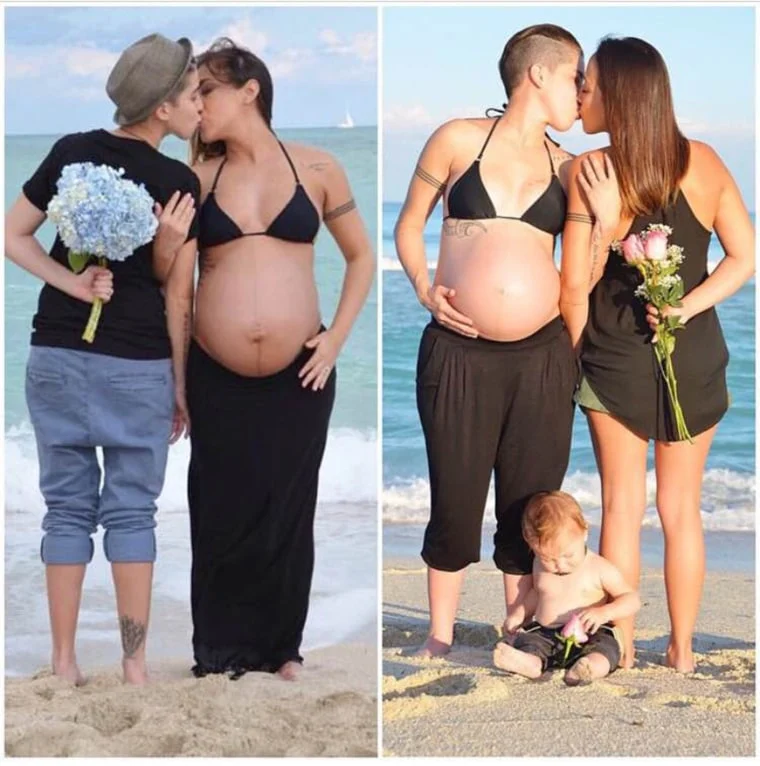
In my pre-motherhood days, I held a rather critical view towards women who breastfed their toddlers. Confession: I didn’t even realize that a child officially becomes a “toddler” upon turning one. To me, breastfeeding was something reserved for infants, not for children who could walk or talk. Fast forward to my own journey into motherhood, and I found myself in the very position I once judged.
Before having a child, my perspective on parenting was naïve. It’s impossible to grasp the immense responsibility of nurturing a little one until you are in the thick of it. The physical and emotional demands of caring for a child are overwhelming. When they cry at 2 a.m., they don’t care about your sleep—they just need to be fed or held. Their survival hinges on you, an intense realization that hits hard.
Breastfeeding became my way of nurturing and protecting my child, offering them essential nutrients and antibodies. According to the Mayo Clinic, extended breastfeeding—nursing beyond the age of one—can significantly lower the risk of various health issues for mothers, including breast cancer and heart disease. In a world filled with uncertainty, it makes sense for mothers to want to breastfeed for as long as possible.
During my pregnancy, I was determined to breastfeed. I firmly believed in the mantra that “fed is best,” but I also recognized the advantages of breastfeeding when possible. Initially, my experience was smooth, but challenges soon arose. Struggles with nursing, compounded by my anxiety, made the process more daunting. I was hard on myself, convinced that if my son, Ethan, didn’t latch properly, it would somehow jeopardize his health.
Both our bodies were adjusting to a new reality, and I soon realized that I was catastrophizing every hurdle. I became fixated on the idea that breastfeeding was the only acceptable option, influenced by societal pressures and the unrealistic expectations women often place on themselves to be “perfect” mothers. It’s easy to prioritize our children’s needs above our own, but self-care is crucial for being the best parent possible.
Despite the challenges, my commitment to exclusive breastfeeding has yielded positive results. Now nearing 13 months, Ethan continues to nurse, and I can’t envision ending this journey just yet. I know I will eventually transition away from breastfeeding, particularly before welcoming another child, but for now, I cherish our bonding moments.
Reflecting on my journey, I urge others to reconsider their judgments of a mother’s choices, especially regarding breastfeeding. It’s a personal decision, often shaped by unique circumstances and experiences.
For those interested in insights about home insemination, this article from American Pregnancy offers excellent resources. Additionally, if you’re exploring fertility options, check out Make a Mom for expert guidance. Finally, if you wish to learn more about the process of home insemination, visit our terms and conditions at Home Insemination Kit.
In summary, my experience has transformed my initial judgments into a deeper understanding of the challenges and rewards of breastfeeding toddlers. It’s a journey filled with complexity, but ultimately, it reflects a mother’s love and commitment.