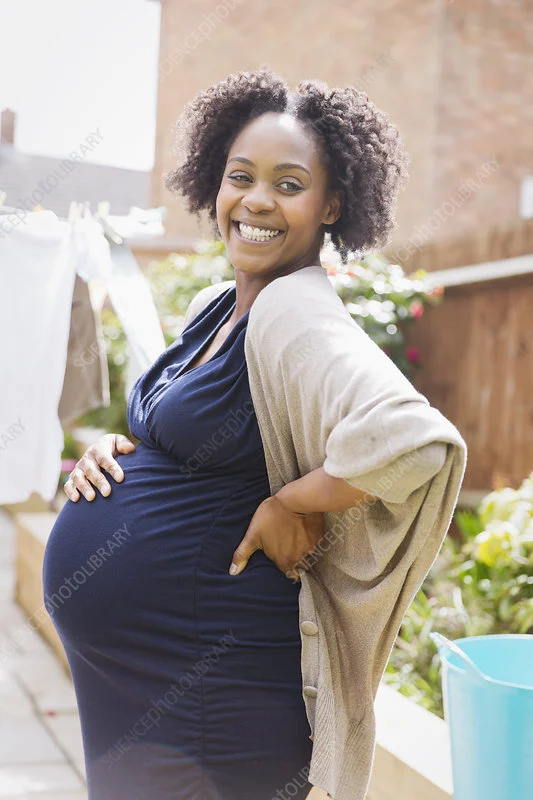
During my second trimester, I reached a point where the discomfort became unbearable. “I’m experiencing significant pressure,” I confided in my midwife during my appointment. “You know, down there.”
“Down there?” she echoed. “Are you referring to your perineum?”
I nodded vigorously. “It feels as if everything down there might just fall out! The pressure and swelling are intense; I wouldn’t be surprised if it all shifted to my knees.”
“What you’re describing sounds like vulvar varicosities,” she responded with calm assurance.
Wait, did she just say vulvar? The 13-year-old girl inside me shrieked, “Eww!” To my dismay, I had developed varicose veins in my vulva. My midwife explained that increased blood flow and the weight of my growing uterus were responsible for this condition. It was comparable to having hemorrhoids, just in a different location.
Sadly, there isn’t a definitive cure for vulvar varicosities. For relief, my midwife recommended a vulvar supporter—thick elastic bands designed to lift and provide support to the perineum. I ordered one online from a medical supply store, as there was no way I was purchasing it in person. It resembled a modified jock strap with a hint of lace to indicate the front. As I tried to put it on, I awkwardly maneuvered beneath my expanding belly.
“Sexy,” my husband muttered from across the room.
I shot him a glare that clearly conveyed, “If you ever want to have intimacy again, you better stop talking.”
While wearing the supporter offered some physical relief, emotionally, I felt overwhelmed by my situation. How could I explain my struggles to others? “My vulvar varicosities are particularly bothersome today, but thankfully I have my vulvar supporter. What’s new with you?”
Interestingly, my midwife revealed that she had also dealt with vulvar varicosities during her pregnancy. She empathized with my discomfort and embarrassment, assuring me that I wasn’t alone—that other expectant mothers were experiencing the same issue too.
But who were these other women? Aside from my midwife, I knew no one else with this condition. Pregnant women freely discussed morning sickness and cravings as if they were badges of honor, yet vulvar varicosities remained a silent struggle. Did celebrities like Angelina Jolie or Beyoncé face this issue? I felt isolated, moving through my pregnancy with thick elastic bands between my legs and no one to talk to.
Once my daughter was born, the pressure subsided, and by my six-week postpartum checkup, my veins had returned to their pre-pregnancy state. The supporter faded into a distant memory.
However, whenever I inquire about a pregnant woman’s well-being, the typical responses are “Fine” or “Ugh, morning sickness.” Yet, I can’t help but wonder if she too is grappling with vulvar varicosities. I wish I could offer support or at least point her to where she could find a vulvar supporter.
If you’re interested in further insights on pregnancy and related topics, check out this informative post on intracervical insemination. Additionally, for more resources, Progyny provides excellent guidance on pregnancy, while Make a Mom offers valuable information on fertility boosters.
Summary
Vulvar varicosities are a discomforting but often unspoken condition during pregnancy. While they are caused by increased blood flow and pressure from the growing uterus, support options like a vulvar supporter can provide temporary relief. Many women may experience this condition without openly discussing it, leading to feelings of isolation. It’s important to share experiences and support one another in the journey of pregnancy.