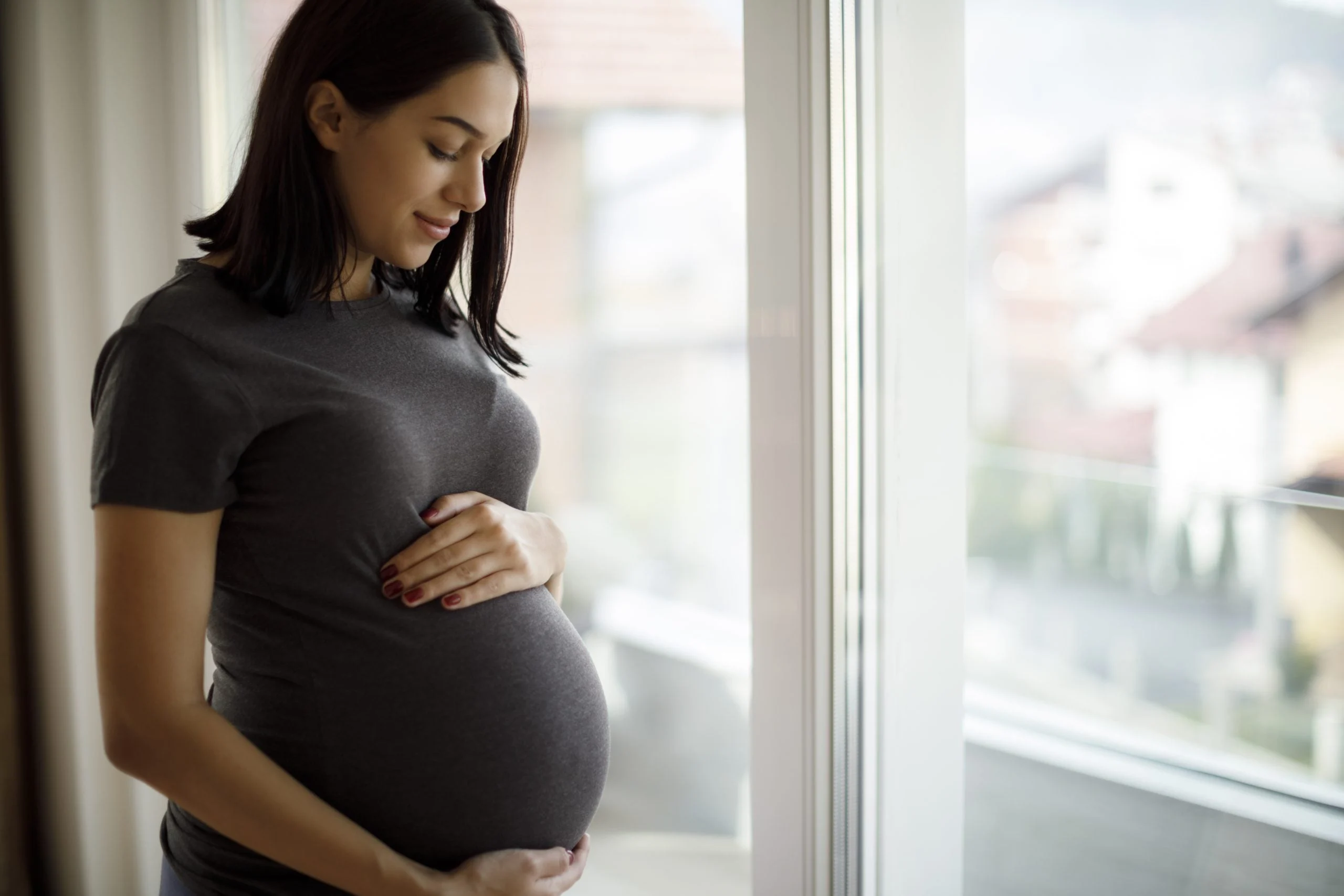
Welcome to the other side of pregnancy! I can officially say I’m no longer expecting, and what a relief it is! There’s a certain joy in having delivered a baby, even if it feels akin to squeezing a watermelon through a tiny opening. In our household, we’ve decided no more pregnancies are in the cards—tubes tied, and all that.
I was four days overdue and practically pleading with my doctor for an induction (yes, we brought the checkbook as a backup). Our little one, Mia Grace, made her grand entrance, leaving behind the misconception that my “ugly” face was due to carrying a boy, as predicted by our housekeeper. So, there’s that!
While I quickly remembered the day-to-day tasks that come with a newborn, what I had completely blocked from my memory was the brutal physical recovery that no one seems willing to discuss. So let’s dive into the reality of your body after giving birth.
After your baby arrives, you’re ecstatic and utterly in love. You’re a pro at swaddling and have perfected the art of burping. You’ve even found the best “natural, cruelty-free, made with love” baby soap available. You feel ready, equipped with all the advice and literature out there. It’s magical.
But what you’re not ready for is your body’s delayed reaction to the fact that you just birthed a human being. As the epidural wears off, the glow from your water birth fades, and you’re faced with physical realities that no one prepared you for because they didn’t want to frighten you. Well, I’m here to give you the honest truth. It’s better to be apprehensive and prepared than completely blindsided.
WARNING: We’ll be discussing some graphic bodily functions—so if you prefer to think of childbirth as all rainbows and butterflies, proceed with caution.
Imagine your body as a battlefield aftermath. You’ve just endured a monumental struggle, and help isn’t on the way. Your canteen is empty, and you feel like you’re in a desert. The truth? Post-birth recovery is no walk in the park—it’s painful from head to toe.
Your Breasts
During pregnancy, your breasts undergo significant changes, and for those of you who are typically an A-cup like me, suddenly finding yourself a D-cup can feel like a welcome surprise. Enjoy them while they last because they’re just temporary.
However, brace yourself for Day Three postpartum when your milk comes in—Engorgement Day. Suddenly, your breasts are overflowing. It’s a good thing because you can feed your baby, but it also comes with a price. It’s like someone filled your breasts with rocks. For those breastfeeding, I won’t give specific advice since I opted out this time after experiencing mastitis before. But La Leche League Canada is a fantastic resource for new moms.
As for those who are exclusively bottle-feeding like I am, my suggestion is to bind and ice those swollen breasts. Use two sports bras to help manage the discomfort, and avoid any actions that may encourage more milk production. The pain will subside after a week, but trust me—getting comfortable will be a challenge.
Your Vagina
Ah, your vagina. She’s been through a lot, from Aunt Flo’s monthly visits to various medical examinations, and now she’s delivered a baby. She deserves some recognition, yet she may feel like she’s been through a lawn mower.
When discussing childbirth, we often share stories about contractions and pushing, but rarely do we mention the stitching that occurs shortly after delivery. No one warns you about the tearing or the stitches that can ensue. It’s essential to be prepared for the discomfort that can linger.
I once attempted to explain to a friend who had c-sections what vaginal stitches felt like, and all I could muster was, “It’s like thin layers of skin being sewn tightly together, trying to break free every time you move.” It’s painful, and it’s not something anyone warns you about in advance.
To help with recovery, consider using ice packs. Fill a rubber glove with ice and keep it close; it may sound odd, but it will become your best friend. Also, utilize the squeeze bottle provided by the hospital to ease discomfort. Remember to take pain medication as prescribed, as the relief is essential.
Your Bum
Surprisingly, your bum also has a role to play in this journey. Hemorrhoids, anyone? If you’re like me, you may have developed them during pregnancy. If not, be prepared, as they often make an appearance during delivery. The aftermath will make sitting and using the restroom quite the ordeal.
Here’s the best advice I can offer: start taking stool softeners several days before your due date. The pushing can lead to hemorrhoids, and the epidural may cause constipation, making your first post-birth bowel movement a daunting experience. I learned this the hard way and wouldn’t wish that on anyone.
So, as I wrap up this honest account of postpartum recovery, remember to treat your body gently. You just spent nine months nurturing a little life and then brought them into the world. You are incredible. Resist the urge to rush back to normal. Take it easy, accept help, and be kind to yourself—your body has accomplished something remarkable.
For more insights, check out this resource for home insemination kits and this link for excellent information on pregnancy and home insemination.
In summary, the postpartum journey is filled with unexpected challenges that your body will face after childbirth. From engorged breasts to stitches and even hemorrhoids, it’s a lot to handle. But with proper care, rest, and a good support system, you can navigate this phase with strength.