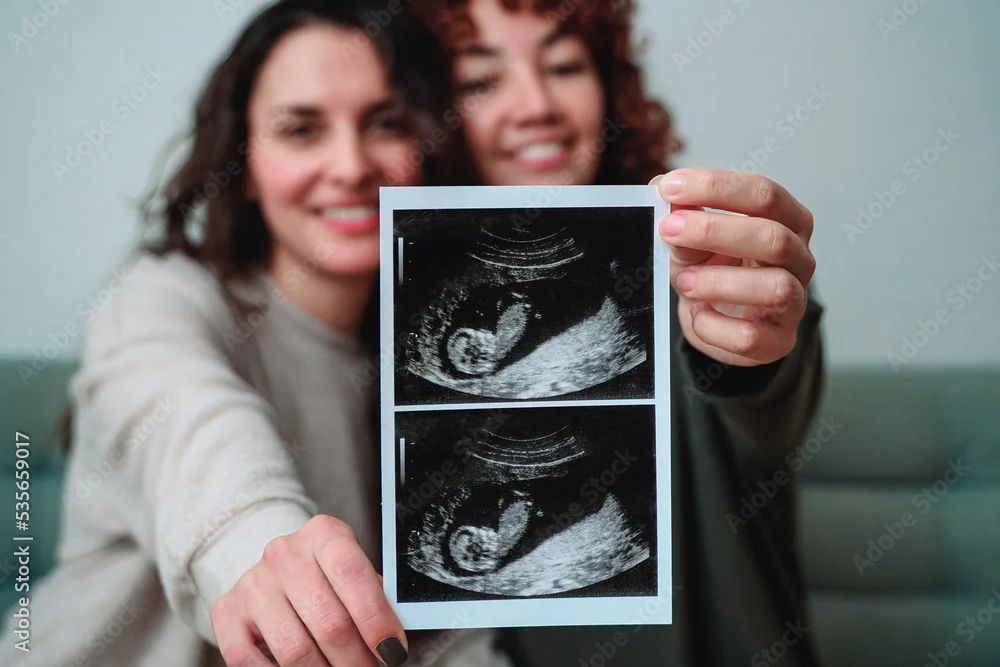
Like many mothers, I have an endless collection of pictures capturing every moment of my children’s lives. I’ve taken on the role of family photographer with dedication, often prioritizing my phone’s camera quality above all other features. This convenient tool allows me to snap quick shots of the kids in their playful chaos. It has been invaluable for documenting my pregnancies and early postpartum days, especially since my family lives over 800 miles away. It also serves as a crucial companion during my husband’s long work trips.
However, after scrolling through thousands of images, I discovered a disheartening truth: while I had countless photos of my children, their father, and even our dog, very few included me. This realization sparked conversations with other mothers, revealing a widespread issue in family photography. We excel at capturing memories for our families, but often, our own presence is forgotten.
Years ago, during my first pregnancy, I was enthusiastic about capturing every moment with my husband and son. I assumed we would share the photo-taking responsibility, but that was not the case. My partner didn’t intentionally exclude me; rather, it seemed to reflect a broader tendency for women’s contributions to be overlooked in various aspects of life.
Mothers tirelessly work to uplift family morale, from organizing dinners to insisting on family portraits, all while considering the physical and emotional needs of everyone around them. In doing so, we often become so efficient at our roles that our own desires go unnoticed. Unfortunately, I had to face the reality that my husband wouldn’t think to take pictures of me with the kids unless I took the initiative.
At first, asking him to photograph me felt awkward and a bit assertive, which was outside my comfort zone. It also removed some spontaneity from our family snapshots. But as I started accumulating more photos of myself alongside my children, I realized the value of including myself in these memories. It serves as a reminder that my desires matter just as much as everyone else’s. It’s essential for mothers to communicate their needs; failing to do so can lead to feelings of neglect.
Moreover, I want my children to have access to my memories in case something happens to me. I have very few pictures of my own mother—especially from her younger years—and I regret not having a visual timeline of her life. These images serve to remind us that mothers are multifaceted individuals with lives beyond motherhood. I want my family to witness the richness of my experiences, far beyond simply being “mom.”
Now, I have a collection of memories from my motherhood journey over the past four years. These photos will become the tangible proof of our experiences as time goes on. As I consider getting a new cell phone, I’m focused on which one has the best camera—not only to capture my beautiful children and husband, but also to ensure that I am included in those memories. I’m determined to make my presence known in our family photos without any shame.
I know I’m not alone in feeling the “absent from photo heartbreak” that many mothers experience. However, it’s crucial to recognize that our families may not inherently realize our desire for inclusion. We need to advocate for ourselves and ensure we are part of the narrative. Speaking up can enhance many areas of our lives, and we deserve that recognition.
In my quest for better family photos, I’ve learned an important lesson: if I don’t prioritize my own needs, no one else will.
For more insights into motherhood and family dynamics, check out this excellent resource on pregnancy and home insemination at Facts About Fertility. And if you’re interested in essential tools for home insemination, visit Make a Mom for valuable information. Additionally, you can read more about family memories in our other blog post here.
Summary
This article discusses the importance of mothers being included in family photos, highlighting the common issue of women being overlooked in the documentation of family memories. The author shares her personal journey of advocating for her presence in photos, emphasizing the need for mothers to express their desires and ensuring they are part of their family’s narrative.