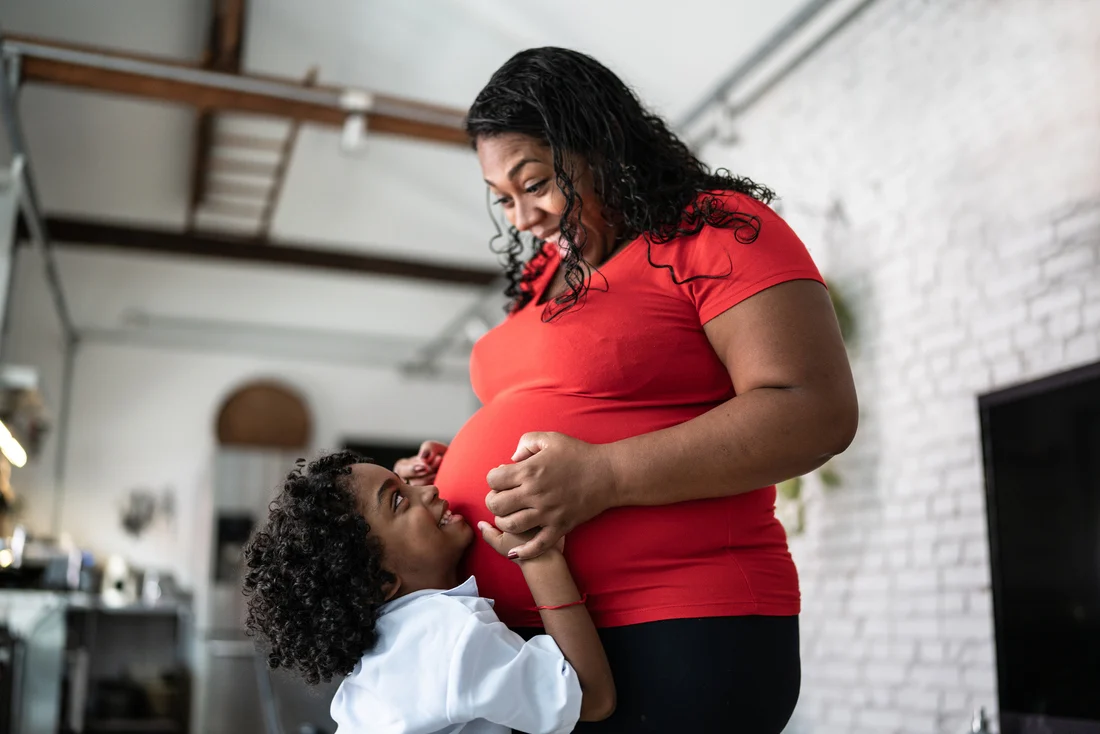
Being pregnant during the summer months can be exceptionally uncomfortable. The sweltering heat makes it difficult to find relief, even with air conditioning cranked up high. Many expectant mothers find themselves drenched in sweat and constantly thirsty, leading to frequent trips to the restroom. This can be particularly challenging, especially when heat-related discomfort adds to the already intense experience of pregnancy.
Research has shown that high temperatures might also contribute to early labor. A 2014 study published in the journal Epidemiology explored the link between extreme heat and early-term births. The researchers analyzed data from over 206,000 full-term and nearly 12,400 preterm births in Montreal between 1981 and 2010. They defined preterm as births before 37 weeks gestation and early term as between 37-38 weeks. The study focused on temperature peaks in the week leading up to delivery, noting that a high temperature of 32 degrees Celsius (or 90 degrees Fahrenheit) was considered significant.
For many women, especially those living in warmer climates, such temperatures can be quite common. For instance, I experienced a heatwave just before my son was born in late summer in Southern California. I often joked about the electric bill since the air conditioning was constantly running. As my due date approached, even small outings, like dog walks, felt exhausting.
Completing necessary tasks in those final weeks can feel overwhelming, especially in the heat. A simple trip outside can be draining, and it’s easy to neglect your comfort when you’re busy preparing for your baby’s arrival. My son arrived 15 days early, at 37 weeks and 5 days, on a day when temperatures were in the 80s. I spent most of that day indoors, but the warmth was still noticeable as we headed to the hospital.
The study found a 4% increase in the likelihood of delivery when temperatures reached 90 degrees or higher, particularly affecting early-term births. If a heatwave lasted four to seven days prior to delivery, the risk of early-term birth increased by 27%. As Dr. Lisa Thompson, a researcher at the University of Toronto, explains, “Physical stresses like heat are more impactful at 37 or 38 weeks than earlier in pregnancy.” While the research does not definitively state that high temperatures cause early labor, the correlation is notable.
Although giving birth between 37 and 40 weeks is generally safer than before 37 weeks, there are still risks involved as the fetus continues to develop. Many expectant mothers find it difficult to avoid the heat entirely, particularly if they have errands to run or work commitments. Those with other children face additional challenges in finding refuge from the heat.
If you must venture out in extreme temperatures, staying hydrated is crucial. Dr. Thompson advises drinking plenty of water, even if you don’t feel thirsty, since dehydration can also trigger labor. While there is no foolproof way to be comfortable during summer pregnancies, remaining cool and well-hydrated may influence the timing of your baby’s arrival.
For more insights on navigating pregnancy and fertility, you might find helpful information at this resource. If you’re looking to boost fertility, this guide can provide valuable tips. And for those interested in home insemination, check out this post for additional resources.
Summary
Summer pregnancies can be uncomfortable, with heat potentially influencing the timing of labor. Research indicates a correlation between high temperatures and early-term births, emphasizing the importance of hydration and staying cool during this period. While challenges abound, understanding the risks can help expectant mothers navigate their pregnancies more effectively.