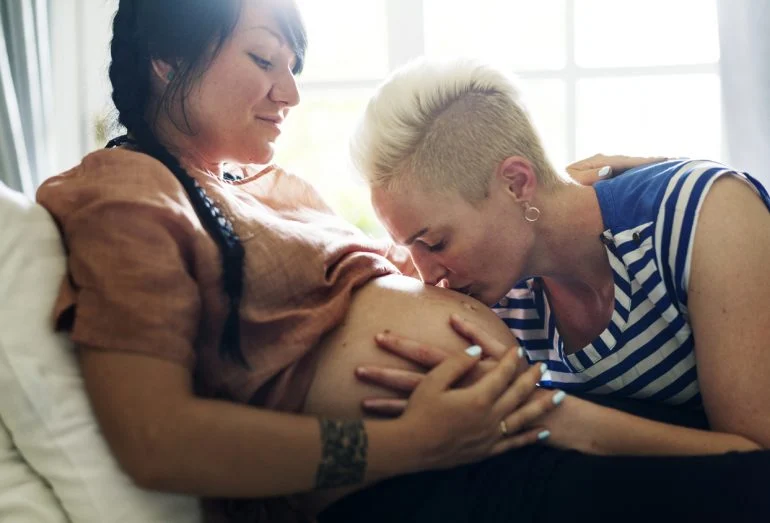
A recent study reveals that women’s reproductive life span has lengthened by over two years, challenging the long-standing belief that the ideal time for pregnancy is in one’s twenties. Traditionally, fertility is said to decline after age 30, and pregnancies after 35 have often been labeled “geriatric.” However, findings published in the Journal of the American Medical Association suggest that the average reproductive years for women in the U.S. may have shifted from 35 years to 37.1 years. This change is attributed to a rise in the average age of menopause, which has been gradually increasing worldwide, thereby extending the reproductive window for women, including those in their mid to late thirties.
The study examined trends over the last sixty years, focusing on the average age of natural menopause and reproductive life span, particularly in American women. In recent times, there has been a decline in birth rates among U.S. women in their twenties, despite an overall global population increase. According to reproductive data analyst Mia Johnson from the Guttmacher Institute, parenting trends reflect a delay in starting families, influenced by greater educational and career opportunities, resulting in a restructured approach to adulthood.
The data indicates that birth rates for women in their thirties and forties are on the rise, suggesting that many individuals are contemplating parenthood later in life. The research identified two significant factors contributing to the increased reproductive life span: the average age of menopause rising from 48.4 to 49.9 years and the average age of first menstruation dropping from 13.5 to 12.7 years.
Dr. Emily Carter, a board-certified gynecologist, emphasized the importance of monitoring these trends, as they could have significant implications for women’s health. While a longer reproductive life span may correlate with a slight decrease in cardiovascular disease, it may also elevate the risk of hormonally responsive cancers such as breast, ovarian, and endometrial cancers. The extended production of reproductive hormones could potentially increase these risks.
Additionally, it’s worth noting that a longer reproductive span means individuals may experience menstruation for an extended period, which can come with its own set of challenges such as mood swings, cramping, fatigue, and a prolonged transition to menopause, often marked by irregular bleeding, altered sleep patterns, and hot flashes.
As with any reproductive health concern, it’s advisable to consult with a healthcare provider to ensure that you are making informed decisions regarding your health. The good news is, this research suggests that you may have more time and options to consider your family planning.
If you’re interested in learning more about home insemination, you can check out this informative resource on pregnancy and home insemination. Additionally, for practical tips on insemination at home, consider visiting Make A Mom.
Search Queries:
- home insemination techniques
- best at-home insemination kit
- how to self inseminate
- understanding fertility
- reproductive health for women
In summary, recent findings suggest that women’s reproductive life spans are extending, allowing for more flexibility in family planning. While this trend may come with health implications, it also provides hope and options for those considering parenthood later in life.