Breastfeeding and Postpartum Hair Loss: What to Expect and How to Manage It
After nine long months of pregnancy, the arrival of a new baby brings immense joy and happiness. However, along with the joys of motherhood, there are also some unexpected changes that women experience postpartum. One of these changes is postpartum hair loss, also known as postpartum alopecia. While it may seem alarming, it is a common and temporary occurrence that affects many women after giving birth. In this blog post, we will dive into the details of breastfeeding and postpartum hair loss, what to expect, and how to manage it.
What is Postpartum Hair Loss?
During pregnancy, women experience an increase in hormones, particularly estrogen, which helps to keep hair in the growing phase and reduce the normal shedding of hair. This results in thicker, fuller hair during pregnancy. However, after giving birth, the hormone levels drop drastically, causing hair to shift into the resting phase, leading to excessive hair shedding. This process usually occurs between three to six months after giving birth and can last for several months.
What to Expect?
Postpartum hair loss can be quite alarming for new mothers, as they may experience clumps of hair falling out while showering or brushing their hair. However, it is essential to understand that this is a natural process, and most women experience it to some degree. The amount of hair loss varies from person to person, and some may only notice a slight thinning, while others may experience more significant hair loss.
Factors Affecting Postpartum Hair Loss
While the drop in hormone levels is the primary cause of postpartum hair loss, there are also other factors that can contribute to this condition. These include stress, lack of sleep, poor nutrition, and genetics. Women who have a family history of postpartum hair loss may be more at risk of experiencing it themselves.
How to Manage Postpartum Hair Loss?
While postpartum hair loss is a temporary condition, there are some steps that women can take to manage it and promote healthy hair growth.
1. Take Care of Your Diet
A well-balanced diet rich in vitamins and minerals is essential for maintaining healthy hair. Make sure to include plenty of fruits, vegetables, lean proteins, and whole grains in your diet. Foods rich in biotin, such as eggs, salmon, and avocados, can also help promote hair growth.
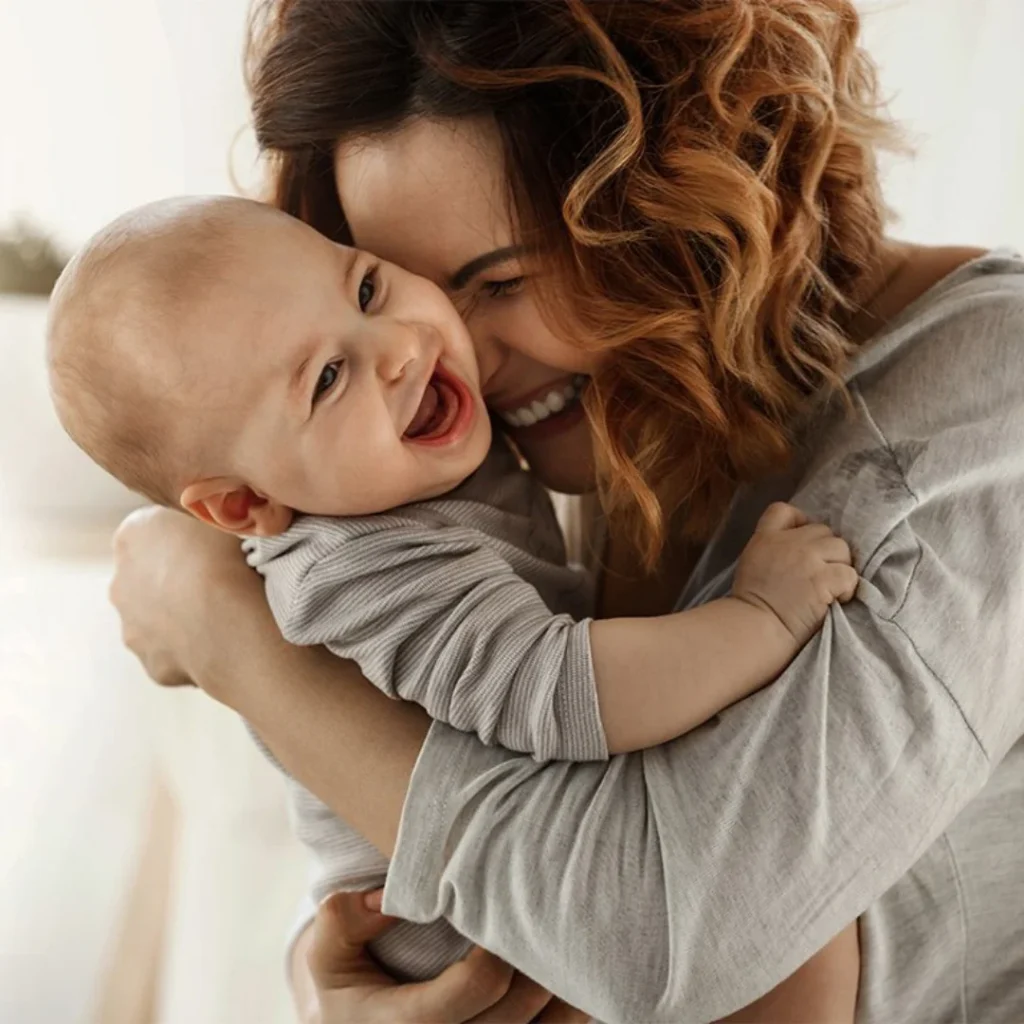
Breastfeeding and Postpartum Hair Loss: What to Expect and How to Manage It
2. Manage Stress Levels
Stress can exacerbate postpartum hair loss, so it is crucial to find ways to manage stress levels. Meditation, yoga, or even taking a walk can help reduce stress and promote relaxation.
3. Use Gentle Hair Care Products
During postpartum hair loss, it is essential to use gentle hair care products that do not contain harsh chemicals. Look for products specifically designed for thinning hair or hair loss, and avoid using heat styling tools as much as possible.
4. Consider Supplements
Some supplements, such as biotin, folic acid, and iron, can help promote hair growth. Consult with your doctor before taking any supplements to ensure they are safe for you and your baby.
5. Be Patient
Remember, postpartum hair loss is a temporary condition, and it takes time for hair to grow back. Be patient and give your hair the time it needs to recover.
Seek Professional Help
If you are experiencing excessive hair loss or have concerns about your postpartum hair loss, it is best to consult with a dermatologist. They can help determine the underlying cause and provide appropriate treatment options.
In Summary
Postpartum hair loss is a common and temporary condition that affects many women after giving birth. It is caused by a drop in hormone levels and can be managed by following a healthy diet, managing stress levels, using gentle hair care products, considering supplements, and being patient. If you have concerns, it is best to consult with a dermatologist.