Becoming a new parent is an exciting and life-changing experience, but it also comes with a lot of challenges, especially when it comes to postpartum recovery. While many people may share their pregnancy and labor experiences, there are some aspects of postpartum recovery that are often left unspoken. In this blog post, we will dive into some of the things no one tells you about postpartum recovery and provide helpful tips and advice for new parents.
1. Postpartum Bleeding:
One of the first things that many new mothers experience after giving birth is postpartum bleeding, also known as lochia. This is a natural and necessary process as the body sheds the extra blood and tissue that was needed during pregnancy. However, many new mothers are surprised by the amount and duration of bleeding. It can last for up to six weeks and can range from light spotting to heavy bleeding, similar to a period. It is important to use postpartum pads and avoid tampons during this time to prevent infection. It is also recommended to take things slow and avoid strenuous activities to allow the body to heal properly.
2. Vaginal Soreness:
After giving birth, the vagina may be swollen and sore, especially if you had a vaginal delivery. This can make sitting, walking, and even using the bathroom uncomfortable. To help alleviate this discomfort, try using a cold compress or sitz bath. It is also important to keep the area clean and change sanitary pads frequently to avoid infection. If the pain persists or becomes severe, consult your doctor.
3. Hormonal Changes:
During pregnancy, the body goes through significant hormonal changes to support the growth and development of the baby. After giving birth, these hormones can fluctuate, leading to mood swings, fatigue, and even postpartum depression. It is important to prioritize self-care during this time and communicate with your partner and support system about how you are feeling. If you experience persistent feelings of sadness, anxiety, or hopelessness, seek professional help.
4. Breast Changes:
As your body prepares for breastfeeding, you may experience changes in your breasts, such as swelling, tenderness, and leakage. It is important to wear a supportive bra and use warm compresses to help with discomfort. If you are planning to breastfeed, consult with a lactation consultant for guidance and support. If you are not breastfeeding, your breasts will still produce milk, but it will eventually decrease.
5. Perineal Pain:
For women who had a vaginal delivery, the perineum, the area between the vagina and anus, may be stretched, torn, or cut during childbirth. This can cause significant pain and discomfort, especially when sitting or using the bathroom. To help with healing, use a cold compress, sitz bath, or numbing spray. It is also important to keep the area clean and avoid any activities that may put pressure on the area.
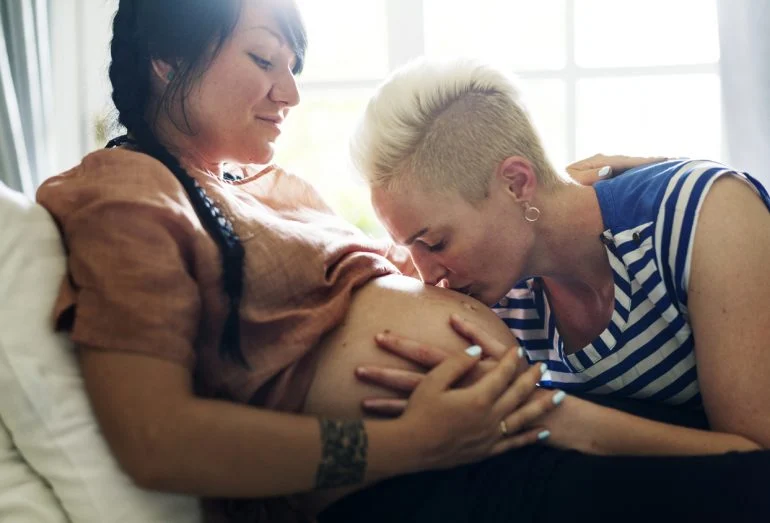
Things No One Tells You About Postpartum Recovery
6. Hair Loss:
Many women experience hair loss after giving birth, which can be alarming and unexpected. During pregnancy, high levels of estrogen can prolong the growth phase of hair, resulting in thicker and fuller hair. However, after giving birth, hormone levels return to normal, and hair may enter the shedding phase, causing hair loss. This is a temporary condition and hair growth will return to normal within a few months.
7. Constipation:
After giving birth, many women experience constipation due to hormonal changes, dehydration, and pain medication. It is important to drink plenty of water, eat fiber-rich foods, and take stool softeners to help with bowel movements. Avoid straining, as it can put pressure on the perineum and cause pain. If constipation persists, consult your doctor for additional treatment options.
8. Sleep Deprivation:
Newborns require around-the-clock care, which means new parents often experience sleep deprivation. This can lead to exhaustion, irritability, and difficulty concentrating. It is important to rest whenever possible and ask for help from family and friends. Remember that sleep deprivation is temporary and it will get better as your baby grows and develops a sleep schedule.
9. Postpartum Checkups:
After giving birth, it is important to attend follow-up appointments with your healthcare provider. These checkups allow your doctor to monitor your physical and emotional well-being and address any concerns you may have. They can also provide guidance on postpartum exercises, birth control options, and any issues related to breastfeeding.
10. Emotional Rollercoaster:
The postpartum period can be an emotional rollercoaster for new parents. From joy and excitement to fear and anxiety, the range of emotions can be overwhelming. It is important to remember that these feelings are normal and to communicate with your support system about how you are feeling. Seek professional help if you are experiencing persistent feelings of sadness, anxiety, or hopelessness.
In summary, postpartum recovery is a unique and challenging experience for new parents. It is important to remember that every person’s recovery journey is different and to prioritize self-care and seek support when needed. By being aware of these things no one tells you about postpartum recovery, you can better prepare yourself for the physical and emotional changes that come with becoming a new parent.