Blog Post:
Maternity leave is a topic that has been gaining more attention and importance in recent years. As more women enter the workforce and strive for equal opportunities, the need for better maternity leave policies becomes increasingly pressing. In this blog post, we will explore the current trends in maternity leave and make predictions for its future.
Current Trends in Maternity Leave:
The United States is the only developed country in the world that does not have a federal law mandating paid maternity leave. The Family and Medical Leave Act (FMLA) only guarantees 12 weeks of unpaid leave for eligible employees. This lack of support for working mothers in the US has led to many challenges, including financial strain and difficulty in balancing work and family life.
However, there have been some positive developments in maternity leave policies in recent years. Many companies, especially in the tech industry, have started offering generous paid maternity leave benefits to attract and retain top talent. Companies like Netflix, Adobe, and Microsoft offer up to 26 weeks of paid leave for new mothers. This trend of companies offering extended paid leave is expected to continue and expand to other industries.
Another trend in maternity leave is the adoption of paternity leave. Traditionally, maternity leave has been solely focused on the mother, but many companies are now offering paid leave for fathers as well. This not only promotes gender equality but also allows fathers to take an active role in child-rearing.
Predictions for the Future of Maternity Leave:
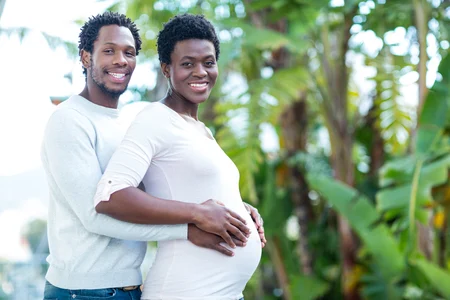
The Future of Maternity Leave: Trends and Predictions
With the increasing demand for better maternity leave policies, it is likely that the US government will take action to address this issue. In fact, some states have already implemented their own paid family leave programs, and it is predicted that more states will follow suit. This could potentially lead to a federal law mandating paid maternity leave in the future.
Moreover, as the gig economy continues to grow and more people work as independent contractors, the need for maternity leave for these workers will become more pressing. Currently, these workers do not have access to traditional employee benefits such as paid leave. It is predicted that there will be a push for companies to offer benefits for gig workers, including maternity leave.
Another prediction is that the length of maternity leave will increase. With more companies offering extended leave, it is expected that the standard 12 weeks of leave will no longer be enough for new mothers. Countries like Sweden and Norway offer up to 480 days of paid leave for new parents, and it is possible that the US will eventually move towards a more generous leave policy.
The Future of Maternity Leave for Working Mothers:
The future of maternity leave looks promising for working mothers. With the increasing demand for better policies and the changing dynamics of the workforce, it is likely that maternity leave will become more inclusive and supportive of working mothers. The availability of paid leave will allow new mothers to take the time they need to recover from childbirth and bond with their newborns without worrying about their financial stability.
In addition, extended leave policies will also benefit the overall well-being of working mothers. Studies have shown that longer maternity leave can lead to better physical and mental health for both mothers and babies, as well as improved job satisfaction and retention rates for companies.
Summary:
The future of maternity leave is moving towards more inclusive and supportive policies for working mothers. Trends such as extended paid leave, paternity leave, and state-level initiatives are paving the way for a potential federal law mandating paid maternity leave in the US. It is also predicted that the length of maternity leave will increase and that gig workers will have access to benefits such as paid leave. These developments will not only benefit working mothers but also promote gender equality and overall well-being.