Blog Post: Navigating Cultural Differences in Childbirth Classes
Childbirth is a universal experience that brings about joy, challenges, and a whole range of emotions for expecting parents. However, the way this experience is approached and perceived can differ greatly across cultures. This is especially evident in childbirth classes, where couples are educated about pregnancy, labor, and delivery. Navigating these cultural differences in childbirth classes can be a difficult task, but it is essential for both the couple’s satisfaction and the instructor’s effectiveness. In this blog post, we will explore some of the common cultural differences that may arise in childbirth classes and provide tips on how to effectively navigate them.
1. Understanding Different Cultural Beliefs about Pregnancy and Childbirth
One of the first things to keep in mind when navigating cultural differences in childbirth classes is to have an understanding of the different cultural beliefs surrounding pregnancy and childbirth. In many cultures, pregnancy is seen as a natural and normal process, while in others it may be viewed as a medical condition that requires constant monitoring and intervention. Some cultures may also have strong beliefs about diet, exercise, and other lifestyle choices during pregnancy.
To effectively navigate these differences, it is important for childbirth educators to be open-minded and respectful of all cultural beliefs. This means understanding that there is no one “right” way to approach pregnancy and childbirth and being willing to adapt the class curriculum to accommodate different cultural perspectives.
2. Addressing Language Barriers
In a diverse and multicultural society, language barriers are common in childbirth classes. This can make it challenging for instructors to effectively communicate important information and for couples to fully participate in the class. To address this, instructors should make an effort to have class materials available in different languages and consider using visual aids and demonstrations to better convey information.
Additionally, it may be helpful to have a translator present in the class to assist couples who are not fluent in the language being used. Instructors should also encourage couples to ask questions and clarify any information that may have been misunderstood due to language barriers.
3. Acknowledging Different Cultural Attitudes towards Pain and Pain Management
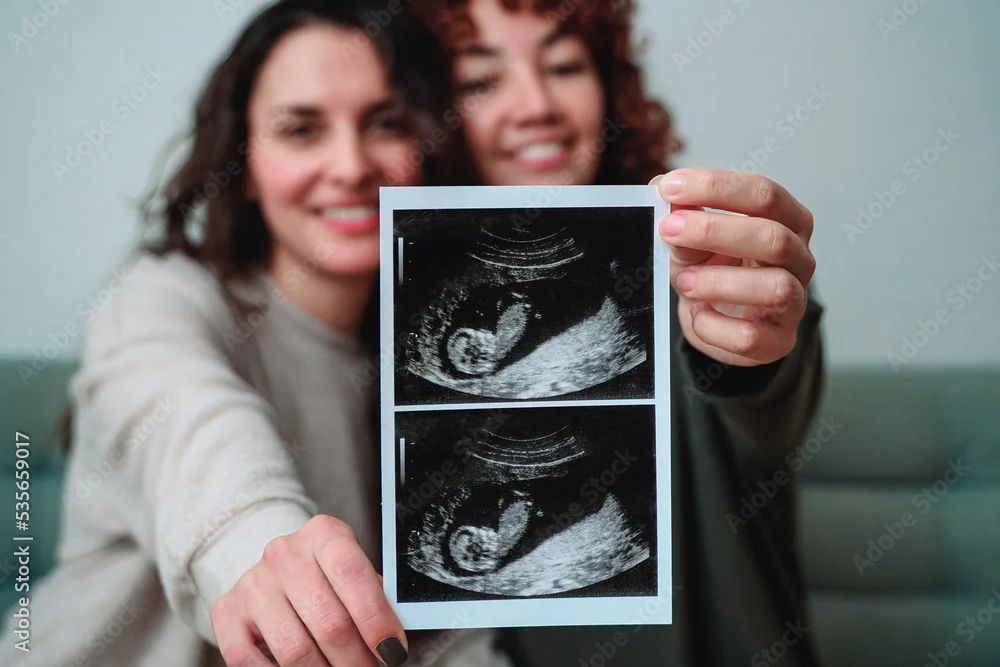
Navigating Cultural Differences in Childbirth Classes
Pain management during labor and delivery is another area where cultural differences can arise in childbirth classes. While some cultures may view pain as a natural and necessary part of childbirth, others may have strong beliefs about the use of pain medication during labor. It is important for instructors to acknowledge and respect these differences and provide unbiased information about pain management options.
Instructors should also be aware of cultural practices such as breathing techniques, massage, and other methods of pain management that may be preferred by some couples. Encouraging couples to share their cultural practices and beliefs can help create a more inclusive and supportive class environment.
4. Addressing Different Cultural Expectations for the Role of the Partner
In some cultures, the role of the partner during labor and delivery may be more hands-on and involved, while in others it may be more reserved and supportive. This can create tension and misunderstandings in childbirth classes, especially when discussing topics such as labor support, the role of the partner in decision-making, and postpartum care.
Instructors should be aware of these differences and facilitate open discussions about the role of the partner in labor and delivery, taking into consideration the cultural expectations and beliefs of the couples in the class. Encouraging partners to share their thoughts and feelings can help create a more inclusive and supportive environment for all.
5. Emphasizing Cultural Sensitivity and Respect
Above all, when navigating cultural differences in childbirth classes, it is essential for instructors to emphasize cultural sensitivity and respect. This means being mindful of the language and examples used in class, avoiding stereotypes, and treating all couples with equal respect and consideration.
Instructors should also be open to learning from their students and be willing to adapt their teaching style to better accommodate different cultural perspectives. This can not only improve the effectiveness of the class, but also create a more positive and inclusive learning environment for all.
Summary:
Childbirth classes are an important part of preparing for the arrival of a new baby, but they can also be a source of cultural differences and misunderstandings. To effectively navigate these differences, it is important for childbirth educators to have an understanding of different cultural beliefs, address language barriers, acknowledge different attitudes towards pain and pain management, address different expectations for the role of the partner, and emphasize cultural sensitivity and respect. By being open-minded, respectful, and adaptable, instructors can create a more inclusive and supportive environment for all couples in their childbirth classes.