Blog post title: The Link Between Infant Sleep Patterns and Postpartum Depression: Understanding the Connection
Becoming a parent is a life-changing experience, filled with joy, love, and new challenges. While welcoming a new baby into the world is an exciting time, it can also be overwhelming and exhausting, especially for new mothers. One challenge that many mothers face is postpartum depression, a mood disorder that affects one in seven women after giving birth. Postpartum depression is a serious and often misunderstood condition, and one of the factors that can contribute to its development is infant sleep patterns. In this blog post, we will delve into the connection between infant sleep patterns and postpartum depression, and how understanding this link can help new mothers cope with this challenging time.
Infant sleep patterns can significantly impact a mother’s mental health, especially in the first few months after giving birth. Newborns have erratic sleep patterns and require frequent feeding, diaper changes, and attention throughout the night. This can lead to sleep deprivation for new mothers, as they try to balance taking care of their newborn and getting some much-needed rest. The lack of sleep can take a toll on a mother’s physical and emotional well-being, making her more vulnerable to developing postpartum depression.
Research has shown that mothers who experience disrupted sleep patterns during the first few months after giving birth are more likely to develop postpartum depression. One study found that mothers who had less than six hours of sleep at night during the first three months after giving birth were at a higher risk of developing postpartum depression. Another study found that mothers who experienced sleep deprivation in the first six weeks after giving birth were twice as likely to develop postpartum depression compared to those who had more sleep.
But why does disrupted infant sleep patterns affect a mother’s mental health? First of all, sleep deprivation can cause hormonal imbalances that can contribute to depression. When a person is sleep-deprived, their body produces more cortisol, the stress hormone, and less serotonin, the hormone responsible for regulating mood and emotions. This hormonal imbalance can lead to mood swings, irritability, and feelings of sadness or hopelessness, all of which are symptoms of postpartum depression.
Furthermore, sleep deprivation can also affect a mother’s cognitive functioning. When a mother is exhausted, her ability to think clearly, make decisions, and cope with stress is significantly impaired. This can make it challenging to handle the demands of a newborn, leading to feelings of inadequacy and guilt, which are common in postpartum depression. Sleep deprivation can also impact a mother’s ability to bond with her baby, as she may feel too tired to engage in activities that promote bonding, such as playing, singing, or cuddling.
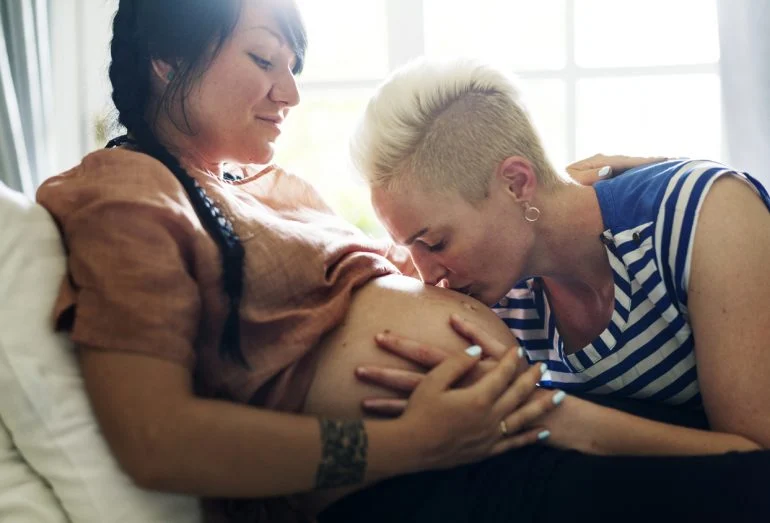
The Link Between Infant Sleep Patterns and Postpartum Depression
On the other hand, infant sleep patterns can also be affected by a mother’s mental health. Mothers who are experiencing postpartum depression may find it challenging to establish a consistent sleep routine for their baby. This can lead to irregular sleep patterns for the baby, making it even more challenging for the mother to get some much-needed rest. This cycle of disrupted sleep can further exacerbate the symptoms of postpartum depression, creating a vicious cycle.
So, what can new mothers do to cope with the link between infant sleep patterns and postpartum depression? The first and most crucial step is to prioritize self-care. While it may seem impossible to get enough sleep with a newborn, it is essential to try and get as much rest as possible. This may mean asking for help from a partner, family member, or friend to take care of the baby while the mother takes a nap. It is also essential to practice good sleep hygiene, such as avoiding caffeine and electronics before bedtime, creating a comfortable sleep environment, and establishing a consistent bedtime routine.
Additionally, seeking support from loved ones and healthcare professionals is crucial. Talking to someone about the challenges of motherhood and postpartum depression can help alleviate feelings of isolation and provide much-needed emotional support. Seeking therapy or joining a support group can also be beneficial in managing postpartum depression.
In conclusion, the link between infant sleep patterns and postpartum depression is a complex and significant one. It highlights the importance of prioritizing self-care and seeking support during this challenging time. By understanding this connection, new mothers can take steps to improve their mental health and bond with their baby, creating a positive and healthy environment for both themselves and their little one.
Summary:
Becoming a parent is a life-changing experience, but it can also be overwhelming and exhausting, especially for new mothers. Postpartum depression, a mood disorder that affects one in seven women after giving birth, is often misunderstood and can be influenced by infant sleep patterns. Research has shown that sleep-deprived mothers are at a higher risk of developing postpartum depression. This is due to hormonal imbalances and impaired cognitive functioning caused by sleep deprivation. On the other hand, a mother’s mental health can also affect her baby’s sleep patterns, creating a vicious cycle. Prioritizing self-care, seeking support, and practicing good sleep hygiene can help new mothers cope with the link between infant sleep patterns and postpartum depression.