Daylight Saving Time (DST) is a seasonal practice of setting the clock forward by one hour during the spring and back by one hour in the fall. It is a concept that has been used for over a century to make better use of natural daylight and to conserve energy. However, while it may have its benefits for adults, DST can have a significant impact on a baby’s sleep patterns. The sudden change in time can disrupt their sleep and cause them to struggle with sleep deprivation. In this blog post, we will explore the impact of DST on your baby’s sleep and provide tips on how to help them adjust to the time change.
The Circadian Rhythm and Baby’s Sleep
Before we dive into the effects of DST on a baby’s sleep, it is essential to understand the concept of the circadian rhythm. The circadian rhythm is an internal clock that controls the sleep-wake cycle of our bodies. It is regulated by a hormone called melatonin, which signals our body to sleep when it gets dark and wake up when it is light. Babies’ circadian rhythm is still developing, making them more sensitive to changes in their sleep patterns.
How DST Affects a Baby’s Sleep
The sudden change in time during DST can disrupt a baby’s circadian rhythm and cause them to struggle with sleep. The time change can make it challenging for them to fall asleep at their usual bedtime, wake up earlier than expected, or have trouble napping during the day. This disruption can lead to sleep deprivation, which can affect their mood, behavior, and overall health.
Tips for Helping Your Baby Adjust to DST
While DST may have some negative effects on your baby’s sleep, there are ways to help them adjust to the time change. Here are some tips to help your baby transition to DST smoothly:
1. Gradual Transition: Instead of abruptly changing your baby’s sleep schedule, try to gradually shift their bedtime by 15 minutes each day leading up to DST. This method will help their body adjust to the new time gradually.
2. Stick to a Routine: Babies thrive on routine, so it is essential to stick to their regular bedtime routine even during DST. This will help signal to their body that it is time to sleep, despite the time change.
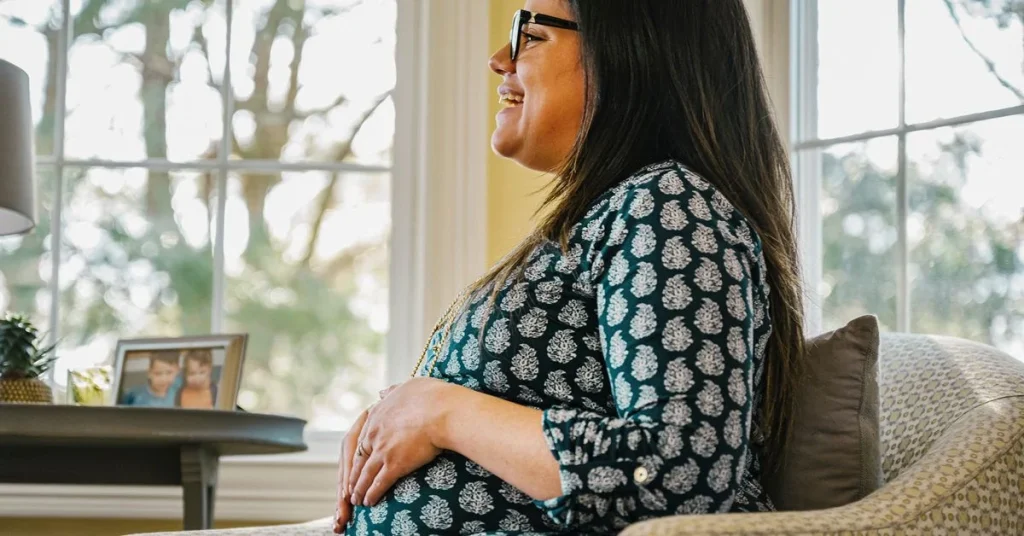
The Impact of Daylight Saving Time on Your Baby's Sleep
3. Keep the Bedroom Dark: With the time change, it may still be light out when your baby goes to sleep. Ensure that their bedroom is dark by using blackout curtains to help them sleep better.
4. Utilize Natural Light: Exposing your baby to natural light during the day can help regulate their circadian rhythm and make it easier for them to adjust to the new time.
5. Be Patient: It may take a few days or even a week for your baby to adjust to the time change. Be patient and give them some extra cuddles and comfort during this transition.
The Long-Term Effects of DST on Baby’s Sleep
While DST only lasts for a few months each year, the effects on a baby’s sleep can have long-term consequences. The disruption in their sleep patterns can lead to a domino effect, affecting their mood, behavior, and overall development. Sleep deprivation can also increase the risk of Sudden Infant Death Syndrome (SIDS) and cause other health issues in the long run.
Conclusion
Daylight Saving Time can have a significant impact on a baby’s sleep. The sudden change in time can disrupt their circadian rhythm and lead to sleep deprivation. It is essential to provide them with a consistent and comfortable sleep environment and gradually adjust their sleep schedule leading up to DST. By following these tips, you can help your baby adjust to the time change and ensure they get the quality sleep they need for their development and well-being.
In summary, DST can have a significant impact on a baby’s sleep, disrupting their circadian rhythm and causing sleep deprivation. It is crucial to provide a consistent sleep environment, gradually adjust their sleep schedule, and be patient during this transition. The long-term effects of DST on a baby’s sleep can have consequences for their overall health and development.