Blog Post Title: Pregnancy Weight Gain and Postpartum Depression: Understanding the Connection
Pregnancy is a beautiful and transformative journey for women, but it also brings about many physical and emotional changes. One of the most common changes during pregnancy is weight gain, as the body prepares to nurture and nourish the growing baby. While some weight gain during pregnancy is normal and necessary, excessive weight gain can have negative effects on both the mother and baby’s health. In addition, research has shown a strong connection between pregnancy weight gain and postpartum depression, a condition that affects many new mothers. In this blog post, we will delve into the relationship between pregnancy weight gain and postpartum depression, and how understanding this connection can help women have a healthier and happier pregnancy and postpartum experience.
The Link Between Pregnancy Weight Gain and Postpartum Depression
According to the American Pregnancy Association, the average weight gain during pregnancy is between 25 to 35 pounds. However, many women may exceed this recommended range, leading to obesity and other health complications. One study found that women who gained excessive weight during pregnancy were more likely to experience postpartum depression than those who gained weight within the recommended range. This is because excessive weight gain can lead to a number of physical and emotional issues that can contribute to the development of postpartum depression.
Physical Effects of Excessive Pregnancy Weight Gain
Excessive pregnancy weight gain can lead to a number of physical complications, such as gestational diabetes, high blood pressure, and preeclampsia. These conditions not only affect the mother’s health but can also have long-term effects on the baby. For instance, babies born to mothers with gestational diabetes are at a higher risk of developing obesity and type 2 diabetes later in life. In addition, excessive weight gain can also lead to difficulties during labor and delivery, increasing the chances of a C-section or other interventions. These physical complications can cause stress and anxiety for the mother, making her more susceptible to developing postpartum depression.
Emotional Effects of Excessive Pregnancy Weight Gain
Pregnancy is a time when women experience a range of emotions, from excitement and happiness to fear and anxiety. Excessive weight gain can add to these emotional changes and have a negative impact on a woman’s self-esteem and body image. Many women struggle with body image issues during pregnancy, and gaining too much weight can exacerbate these feelings. This can lead to feelings of guilt and shame, which can contribute to postpartum depression. In addition, the physical discomforts of excessive weight gain, such as back pain and difficulty breathing, can also add to the emotional strain and increase the risk of postpartum depression.
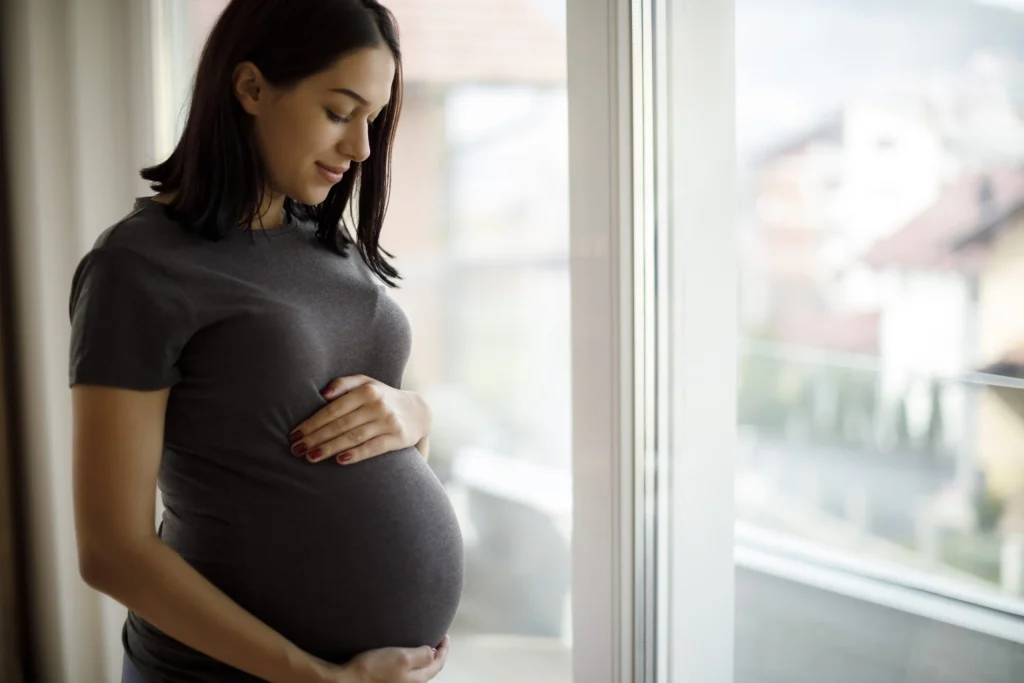
Pregnancy Weight Gain and Postpartum Depression: Understanding the Connection
Managing Pregnancy Weight Gain for a Healthier Postpartum Experience
While some weight gain during pregnancy is normal and necessary, it is important for women to manage their weight gain to have a healthier postpartum experience. Here are some tips to help women maintain a healthy weight during pregnancy:
1. Eat a balanced and nutritious diet: Focus on eating a variety of healthy foods, including fruits, vegetables, lean proteins, and whole grains. Avoid processed and high-sugar foods, which can contribute to excessive weight gain.
2. Exercise regularly: Moderate exercise during pregnancy can help women maintain a healthy weight and reduce the risk of gestational diabetes and other complications. Consult with your healthcare provider for safe and appropriate exercises during pregnancy.
3. Stay hydrated: Drinking plenty of water can help you feel full and reduce the chances of overeating.
4. Get enough rest: Adequate rest is crucial during pregnancy, as fatigue can lead to cravings and overeating.
5. Seek support: Talk to your healthcare provider, partner, or a support group if you are struggling with body image issues or emotional challenges during pregnancy. Seeking support can help alleviate stress and reduce the risk of postpartum depression.
Summary:
Pregnancy weight gain and postpartum depression have a strong connection, with excessive weight gain during pregnancy increasing the risk of developing postpartum depression. This is due to the physical and emotional effects of excessive weight gain, such as increased risk of gestational diabetes and body image issues. To have a healthier postpartum experience, it is important for women to manage their weight gain through a balanced diet, regular exercise, adequate rest, and seeking support. By understanding this connection and taking steps to maintain a healthy weight during pregnancy, women can have a happier and more fulfilling pregnancy and postpartum journey.