Pregnancy is a beautiful and transformative experience for many women, but along with the joy and anticipation also comes a host of physical changes. One of the most common and noticeable changes during pregnancy is weight gain, which is a natural and necessary part of the process. However, along with weight gain, many pregnant women also experience water retention, which can lead to uncomfortable and sometimes even painful swelling. In this blog post, we will explore the causes of pregnancy weight gain and water retention, and provide tips for reducing swelling and promoting overall health during this special time.
Causes of Pregnancy Weight Gain
It is completely normal and expected for women to gain weight during pregnancy. This weight gain is essential for the healthy growth and development of the baby, as well as to support the mother’s body through the physical demands of pregnancy and childbirth. On average, women can expect to gain between 25-35 pounds during pregnancy, with the majority of this weight gain occurring in the second and third trimesters.
There are several factors that contribute to pregnancy weight gain, including:
1. Increased blood volume: During pregnancy, a woman’s blood volume increases by 50%, which can account for up to 4 pounds of weight gain.
2. Growing uterus: As the baby grows, the uterus expands, which can add up to 2-5 pounds of weight gain.
3. Amniotic fluid: The amniotic fluid that surrounds the baby can weigh up to 2 pounds.
4. Placenta: The placenta, which provides oxygen and nutrients to the baby, can weigh up to 2-3 pounds.
5. Fat stores: Some fat storage is necessary for the baby’s growth and development, as well as for breastfeeding after birth. This can account for up to 7 pounds of weight gain.
6. Increased fluid retention: Hormonal changes during pregnancy can cause the body to retain more fluid, which can add to overall weight gain.
Causes of Water Retention during Pregnancy
Water retention, or edema, is a common occurrence during pregnancy, especially in the hands, feet, and ankles. This is due to the increased blood volume and hormonal changes, which can cause the body to retain more water. Other factors that can contribute to water retention during pregnancy include:
1. Poor circulation: As the uterus grows, it can put pressure on the veins that carry blood back to the heart, leading to poor circulation and fluid buildup.
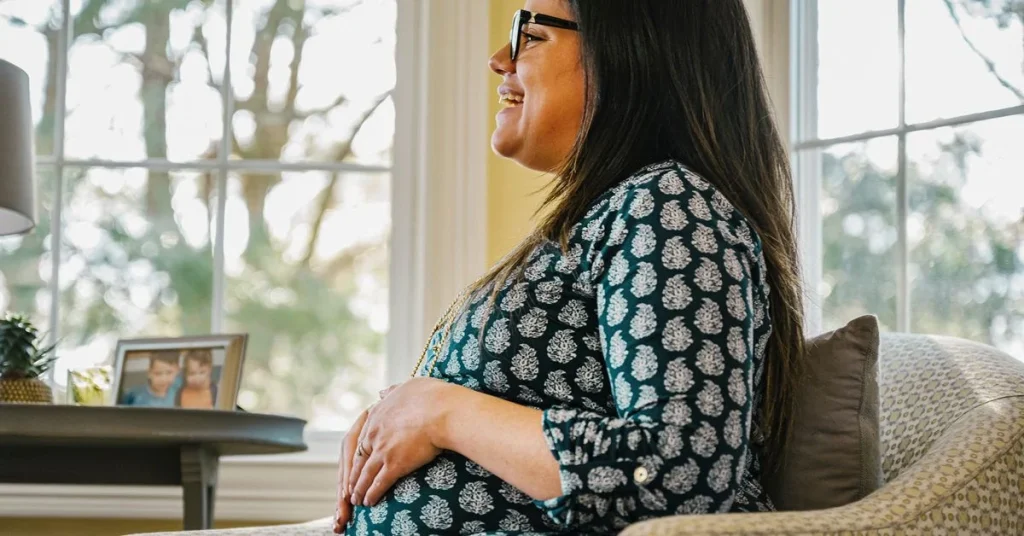
Pregnancy Weight Gain and Water Retention: Tips for Reducing Swelling
2. Preeclampsia: This serious condition can cause high blood pressure and excessive water retention, and requires medical attention.
3. Diet: Consuming too much salt or not drinking enough water can contribute to water retention during pregnancy.
Tips for Reducing Swelling during Pregnancy
1. Stay hydrated: Drinking plenty of water can actually help reduce water retention. Aim for at least 8-10 glasses of water per day, and limit your intake of sugary or caffeinated drinks.
2. Elevate your legs: If you spend a lot of time on your feet, try elevating your legs whenever possible to improve circulation and reduce swelling.
3. Wear comfortable shoes: High heels and tight shoes can restrict circulation and contribute to swelling. Opt for comfortable and supportive shoes during pregnancy.
4. Exercise regularly: Regular exercise can help improve circulation and reduce water retention. Consult with your doctor before starting any new exercise routine.
5. Avoid sitting or standing for long periods of time: Prolonged periods of sitting or standing can contribute to swelling. Take breaks to move around and change positions frequently.
6. Watch your salt intake: Consuming too much salt can cause the body to retain water. Try to limit your intake of processed and packaged foods, which are often high in sodium.
7. Wear compression stockings: These specialized stockings can help improve circulation and reduce swelling in the legs and feet.
8. Try massage: Gentle massage can help stimulate circulation and reduce swelling. Consult with a prenatal massage therapist for safe and effective techniques during pregnancy.
9. Rest and relax: The physical demands of pregnancy can be taxing on the body, so make sure to get plenty of rest and relaxation to reduce stress and promote overall health.
In conclusion, weight gain and water retention are natural and necessary parts of pregnancy. However, by following these tips and consulting with your healthcare provider, you can reduce swelling and promote overall well-being during this special time. Remember to stay hydrated, exercise regularly, and listen to your body’s needs. Embrace the changes that come with pregnancy and enjoy this beautiful journey.