Pregnancy is a beautiful and transformative experience, but it also comes with its fair share of challenges. One of the most common concerns that pregnant women face is weight gain. While gaining weight is a natural and necessary part of pregnancy, it can also lead to discomfort and health issues such as varicose veins. These enlarged, twisted veins often appear on the legs and can cause pain, swelling, and aching. In this blog post, we will discuss pregnancy weight gain and its connection to varicose veins, as well as provide tips for reducing discomfort.
The Connection Between Pregnancy Weight Gain and Varicose Veins
Weight gain during pregnancy is expected and necessary to support the growth and development of the baby. However, as the uterus expands, it can put pressure on the veins in the legs, hindering the flow of blood back to the heart. This increased pressure can cause the veins to weaken and stretch, leading to the development of varicose veins.
In addition to weight gain, hormonal changes during pregnancy can also contribute to the development of varicose veins. The hormone progesterone, which increases during pregnancy, can relax the walls of the veins, making them more prone to swelling and bulging.
Tips for Reducing Discomfort from Varicose Veins During Pregnancy
1. Exercise
Regular physical activity can help improve circulation and reduce the risk of varicose veins. Low-impact exercises such as walking, swimming, and prenatal yoga are suitable options for pregnant women. These exercises can also help maintain a healthy weight during pregnancy, reducing the pressure on the veins.
2. Elevate Your Legs
Elevating your legs above your heart can help improve blood flow and reduce swelling in the legs. Lie down on your left side and prop your legs up on pillows. This position can also help alleviate pressure on the pelvic veins, which can contribute to varicose veins in the vulva.
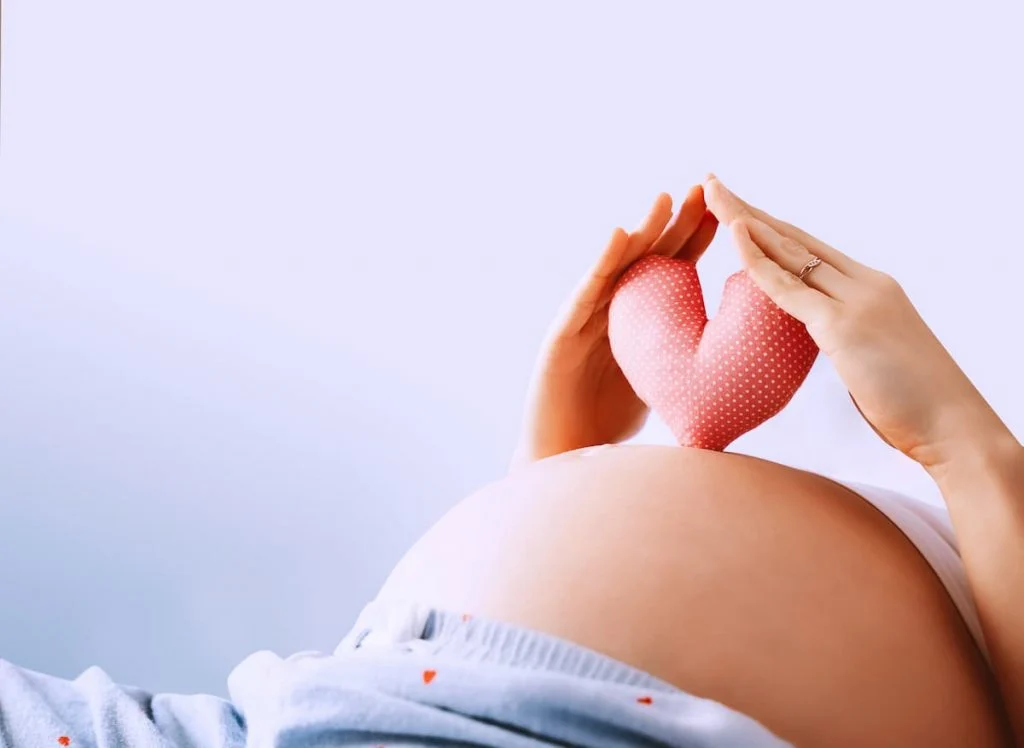
Pregnancy Weight Gain and Varicose Veins: Tips for Reducing Discomfort
3. Wear Compression Stockings
Compression stockings can help improve blood flow and reduce discomfort from varicose veins. These stockings apply pressure to the legs, helping the veins to work more efficiently. It is best to wear compression stockings throughout the day, especially when standing or sitting for extended periods.
4. Avoid Standing or Sitting for Long Periods
Prolonged periods of standing or sitting can put pressure on the veins and worsen varicose veins. If your job requires you to stand or sit for extended periods, make sure to take breaks and move around. If possible, try to elevate your legs or take short walks throughout the day.
5. Eat a Healthy Diet
Eating a well-balanced diet can help maintain a healthy weight and reduce the risk of varicose veins. Include foods rich in antioxidants, such as fruits and vegetables, to help improve circulation. Avoid foods high in salt, which can contribute to water retention and swelling.
6. Stay Hydrated
Drinking plenty of water can help prevent constipation, which can put pressure on the veins in the pelvic area. It can also help maintain healthy blood flow and reduce swelling in the legs.
7. Consult with a Doctor
If you experience severe pain, swelling, or discomfort from varicose veins during pregnancy, it is essential to consult with a doctor. They may recommend treatments such as compression therapy, sclerotherapy, or surgery, depending on the severity of your condition.
In summary, pregnancy weight gain can increase the risk of varicose veins due to the pressure it puts on the veins. However, there are steps you can take to reduce discomfort, such as staying active, elevating your legs, wearing compression stockings, and maintaining a healthy diet. Consulting with a doctor is also crucial if you experience severe symptoms.