The Truth About Postpartum Depression: My Personal Story
Becoming a new mother is often portrayed as a joyous and fulfilling experience. But for many women, the reality can be much different. Postpartum depression (PPD) is a common and serious mood disorder that affects 1 in 8 women after giving birth. Yet, it is still shrouded in stigma and misconceptions. As someone who has experienced PPD firsthand, I want to share my personal story in hopes of breaking the silence and shedding light on the truth about this misunderstood condition.
My pregnancy was a rollercoaster of emotions. From the excitement of seeing those two pink lines to the anxiety of not knowing what to expect, I experienced a wide range of feelings. But as soon as my daughter was born, I knew something was off. The overwhelming joy and love that I expected to feel was replaced with emptiness and sadness. I felt like I was failing as a mother and that my baby deserved better. I was constantly crying, even when there was no apparent reason. I was exhausted, yet I couldn’t sleep. I had no appetite, yet I couldn’t stop eating. I felt like I was losing my mind.
At first, I thought it was just the baby blues, a common and mild form of PPD that usually resolves within a few weeks after giving birth. But as the days went by, my symptoms only got worse. I was irritable and angry all the time, especially towards my husband. I had intrusive thoughts of harming my baby, which made me feel like a terrible mother. And worst of all, I felt completely disconnected from my daughter. I couldn’t bond with her, and it broke my heart.
It wasn’t until my six-week postpartum check-up that I finally opened up to my doctor about what I was feeling. I was diagnosed with PPD and prescribed medication. Initially, I was hesitant to take it, thinking that it was a sign of weakness. But after a few days, I started to notice a difference. The dark cloud that had been hanging over me started to lift, and I could finally see glimpses of joy and hope. Therapy also played a crucial role in my recovery, as it helped me work through my feelings and taught me coping mechanisms.
One of the biggest challenges of PPD is the shame and guilt that comes with it. As a society, we have this unrealistic expectation that mothers should be happy and selfless all the time. We are bombarded with images of perfect mothers and babies on social media, creating an unattainable standard that only adds to the pressure. When a new mother experiences PPD, she may feel like she is failing at the one thing she is supposed to be good at. It’s a vicious cycle of negative thoughts and feelings that can be difficult to break.
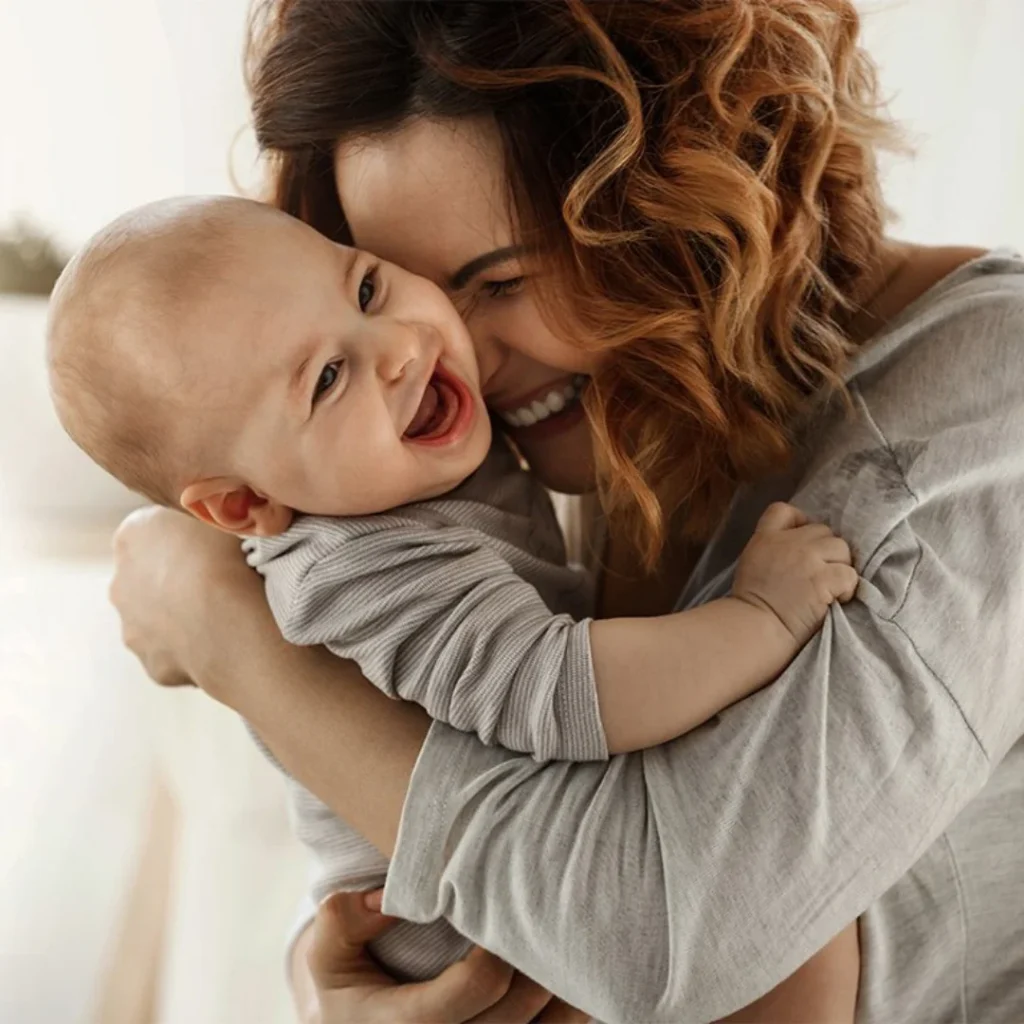
The Truth About Postpartum Depression: My Personal Story
There is also a lack of understanding and awareness about PPD, even among healthcare professionals. Many women, like myself, are not properly screened or diagnosed, leading to delayed treatment. PPD is often brushed off as just being tired and hormonal, when in reality, it is a serious mental health condition that requires proper care and support.
Another misconception about PPD is that it only affects new mothers. While it is most common in the first few weeks after giving birth, it can occur anytime within the first year postpartum. In fact, many women, including myself, experience symptoms months after their baby is born. This is known as delayed onset PPD and can be triggered by factors such as changes in hormones, sleep deprivation, and stress.
It’s also important to note that PPD can affect anyone, regardless of their background or circumstances. It is not a reflection of a woman’s ability to be a good mother. I had a supportive partner, a loving family, and a stable home, yet I still developed PPD. It’s not something that can be controlled or prevented, and it’s essential to remove any blame or shame from the equation.
Recovering from PPD is a journey, and it looks different for every woman. For me, it involved medication, therapy, and the support of my loved ones. It also required a lot of self-care and learning to be kind to myself. It wasn’t easy, but eventually, the fog lifted, and I could see clearly again. I was able to bond with my daughter and truly enjoy motherhood.
If there’s one thing I want people to take away from my story, it’s that PPD is real, and it’s okay to ask for help. It’s not a weakness or a failure. It takes strength and courage to reach out and seek treatment. And for those who know someone struggling with PPD, please be there for them. Offer your support, listen without judgment, and educate yourself about the condition. It can make all the difference in their recovery.
In conclusion, postpartum depression is a serious and common condition that affects many women after giving birth. It’s time to break the silence and stigma surrounding it and start having open and honest conversations. By sharing my personal story, I hope to help other women feel less alone and to spread awareness about the truth of PPD.