The Future of Maternity Leave Benefits: Trends and Predictions
Maternity leave is a crucial aspect of women’s rights and family policies. It allows new mothers to recover from childbirth, bond with their newborns, and adjust to the challenges of motherhood. However, maternity leave benefits have not always been a priority for employers and governments. In the past, women were expected to return to work shortly after giving birth, often with little to no support. But in recent years, there has been a significant shift towards more generous and inclusive maternity leave policies. In this blog post, we will explore the current trends and make predictions about the future of maternity leave benefits.
Current Trends in Maternity Leave Benefits
The United States is the only developed country that does not mandate paid maternity leave for new mothers. In fact, only 17% of American workers have access to paid family leave, making it one of the lowest rates among developed countries. This lack of support for working mothers has led to a significant gender pay gap and career interruptions for women.
However, there has been a growing awareness of the importance of maternity leave in recent years. Many countries, including Canada, the United Kingdom, and Australia, have implemented more generous maternity leave policies that provide longer periods of paid leave and protect women’s jobs while they are on leave. In addition, more companies are offering their employees paid family leave as a way to attract and retain top talent.
Another trend is the shift towards more inclusive maternity leave policies. In the past, maternity leave was primarily seen as a benefit for mothers. But today, there is a greater recognition of the role of fathers in childcare and the need for them to also have time off to bond with their children. As a result, many countries and companies are now offering paternity leave, allowing fathers to take time off work to care for their newborns.
Predictions for the Future of Maternity Leave Benefits
Based on current trends, it is clear that there will be significant developments in maternity leave benefits in the future. Here are some predictions for what we can expect to see in the coming years:
1. More countries will implement paid maternity leave policies
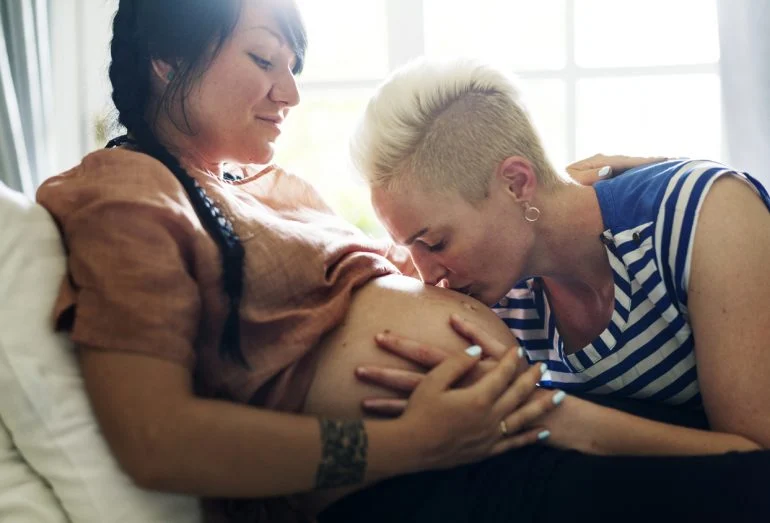
The Future of Maternity Leave Benefits: Trends and Predictions
As the importance of maternity leave is recognized, more countries are likely to join the growing list of those that have implemented paid maternity leave for new mothers. This will help to reduce the gender pay gap and support women’s participation in the workforce.
2. The length of maternity leave will increase
Many countries, such as Sweden and Norway, already offer up to a year of paid maternity leave. As the demand for longer periods of leave grows, we can expect to see more countries and companies offering extended maternity leave benefits. This will give new mothers more time to recover and bond with their babies without worrying about their job security.
3. Paternity leave will become the norm
With the growing recognition of the role of fathers in childcare, we can expect to see more countries and companies offering paternity leave. This will not only help to support fathers in their role as caregivers but also promote a more equal distribution of childcare responsibilities between parents.
4. More companies will offer extended paid family leave
As the competition for top talent continues to increase, more companies will offer extended paid family leave as a way to attract and retain employees. This will not only benefit new parents but also employees who may need time off to care for sick family members or elderly parents.
5. The gig economy will have an impact on maternity leave benefits
With the rise of the gig economy, more women are choosing to work as freelancers or independent contractors. This means that traditional maternity leave benefits may not apply to them, as they are not considered employees. As a result, we may see the development of new policies and benefits that cater to the needs of these workers.
In summary, the future of maternity leave benefits looks promising. With a growing awareness of the importance of supporting new parents, we can expect to see more generous and inclusive policies being implemented by both governments and companies. These changes will not only benefit new parents but also contribute to a more equal and family-friendly society.