Summary:
Prenatal massage is a beneficial and safe practice for LGBTQ+ families during pregnancy. Not only does it provide physical relief from common pregnancy discomforts, but it also creates a supportive and inclusive environment for LGBTQ+ individuals and their partners. This blog post will discuss the importance of prenatal massage for LGBTQ+ families, the benefits it offers, and how massage therapists can create a safe and welcoming space for all clients.
Introducing Prenatal Massage for LGBTQ+ Families:
Pregnancy can bring about many physical and emotional changes for expecting parents, and for LGBTQ+ families, these changes can be even more complex. Many LGBTQ+ individuals face discrimination and exclusion in traditional healthcare settings, making it challenging to find a safe and supportive environment for their prenatal care. Prenatal massage offers a unique opportunity for LGBTQ+ families to receive holistic care in a non-judgmental and inclusive space.
Importance of Prenatal Massage for LGBTQ+ Families:
Prenatal massage is beneficial for all expecting parents, regardless of sexual orientation or gender identity. It can help alleviate common pregnancy symptoms such as back pain, swelling, and fatigue, and also provide emotional support during this significant life transition. For LGBTQ+ families, prenatal massage can be especially crucial in creating a sense of safety and acceptance during a time that may already be challenging due to societal biases and discrimination.
Benefits of Prenatal Massage for LGBTQ+ Families:
Aside from the physical and emotional benefits, prenatal massage offers unique advantages for LGBTQ+ families. Massage therapy can help build a stronger bond between partners by providing a relaxing and intimate experience during pregnancy. For transgender or non-binary individuals, prenatal massage can also help alleviate gender dysphoria by providing a safe space where they are not judged or misgendered.
Creating a Safe and Supportive Environment:
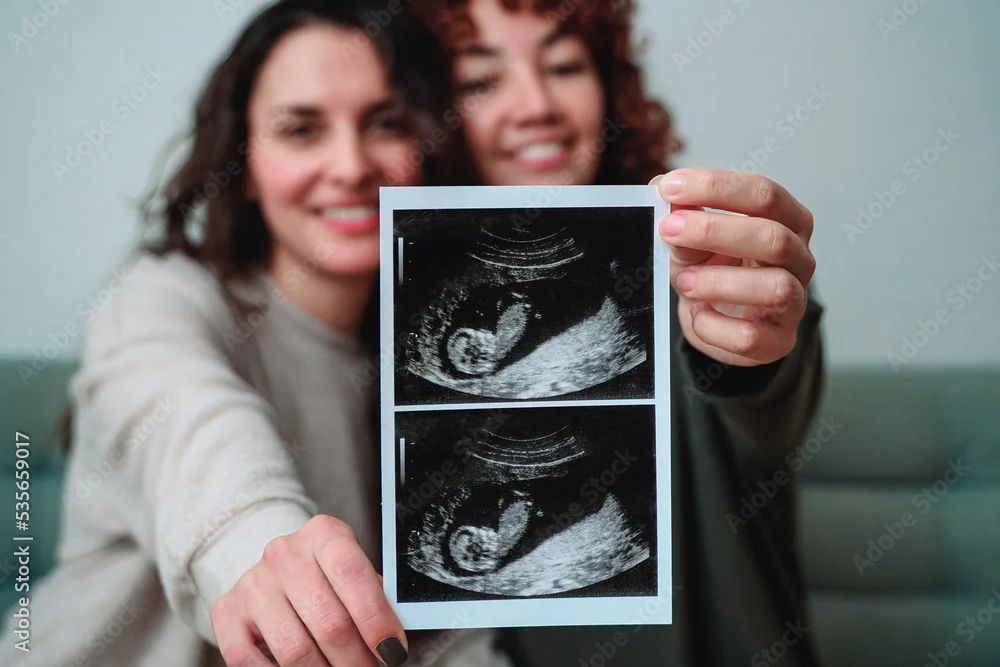
Prenatal Massage for LGBTQ+ Families: A Safe and Supportive Environment for All
Massage therapists have a responsibility to create a safe and inclusive environment for all clients, including LGBTQ+ families. This can be achieved by using inclusive language, having gender-neutral forms and intake processes, and being open to learning about the unique needs of LGBTQ+ individuals. It is also essential to respect clients’ pronouns and offer privacy and confidentiality to ensure a safe space for all.
Tips for Massage Therapists Working with LGBTQ+ Families:
To provide the best care for LGBTQ+ families, here are some tips for massage therapists to keep in mind:
1. Use Inclusive Language: Avoid making assumptions about your clients’ sexual orientation or gender identity and use gender-neutral language when addressing them.
2. Educate Yourself: Take the time to educate yourself about the LGBTQ+ community, including the specific health concerns and needs of this population.
3. Respect Pronouns: Always ask for and respect your clients’ preferred pronouns. If you are not sure, use gender-neutral pronouns such as they/them.
4. Create a Welcoming Space: Ensure that your massage room is inclusive and welcoming for all clients. This can include using gender-neutral decor and providing privacy during the massage.
5. Be Open to Feedback: Be open to feedback from LGBTQ+ clients and use it as an opportunity to learn and improve your practice.
Conclusion:
Prenatal massage is not only beneficial for physical and emotional well-being during pregnancy, but it also offers a safe and supportive space for LGBTQ+ families. By being aware of the unique needs and concerns of this community, massage therapists can create a welcoming environment for all clients. Let us continue to promote inclusivity and acceptance in the field of prenatal massage and support LGBTQ+ families on their journey to parenthood.