Pregnancy is a miraculous and life-changing experience for many women. However, along with the excitement and anticipation, there can also be a lot of misinformation and myths surrounding pregnancy. With so much information available online and through word of mouth, it can be hard to separate fact from fiction. Your doctor is the best source of reliable information when it comes to your pregnancy, and there are some common myths that they wish you knew the truth about.
Myth #1: You Can’t Get Pregnant on Your Period
One of the most common myths about pregnancy is that you can’t get pregnant if you have sex during your period. While it is less likely to happen during this time, it is still possible to get pregnant. Sperm can live inside the body for up to five days, so if you have a shorter menstrual cycle, it is possible for ovulation to occur during your period. Additionally, irregular periods can make it difficult to predict ovulation, making it possible to conceive during your period. If you are not trying to get pregnant, it is important to use contraception consistently and correctly, regardless of where you are in your menstrual cycle.
Myth #2: Morning Sickness Only Happens in the Morning
Despite its name, morning sickness can happen at any time of day. Nausea and vomiting during pregnancy can occur at any time, and for some women, it may be more severe in the evening. It is also not limited to the first trimester, as some women may experience morning sickness throughout their entire pregnancy. If you are struggling with morning sickness, talk to your doctor about ways to manage it and make sure to stay hydrated.
Myth #3: You Shouldn’t Exercise During Pregnancy
Many women believe that pregnancy is a time to relax and avoid physical activity. However, staying active during pregnancy has numerous benefits, including reducing the risk of gestational diabetes, improving mood and energy levels, and preparing your body for labor and delivery. It is important to talk to your doctor about what exercises are safe for you during pregnancy, but in most cases, low-impact activities like walking, swimming, and prenatal yoga are recommended.
Myth #4: You Need to Eat for Two
Pregnancy is often accompanied by cravings and increased appetite, leading many women to believe that they need to eat for two. However, the truth is that during the first trimester, you do not need any additional calories. In the second and third trimesters, you only need an extra 300-500 calories per day, which is equivalent to a small snack. It is important to listen to your body’s hunger cues and focus on a well-balanced, nutritious diet rather than overeating.
Myth #5: You Can’t Have Sex During Pregnancy
Another common myth is that sex is off-limits during pregnancy. In most cases, sex is safe and can be enjoyable throughout pregnancy. However, there are some circumstances where your doctor may advise against it, such as if you have a high-risk pregnancy or if you experience complications such as bleeding or placenta previa. It is important to communicate with your partner and your doctor about any concerns or discomfort you may have.
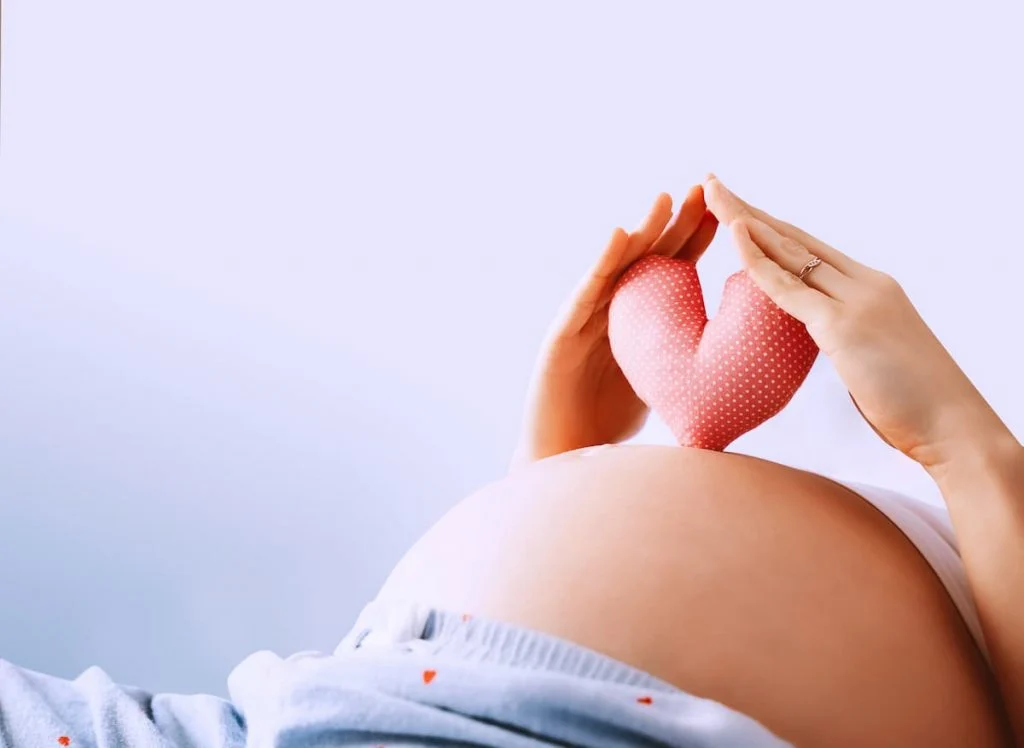
Pregnancy Myths: What Your Doctor Wishes You Knew
Myth #6: Heartburn During Pregnancy Means Your Baby Will Have Lots of Hair
This is one of the most bizarre pregnancy myths that has been circulating for years. The truth is that heartburn during pregnancy is caused by hormonal changes and increased pressure on the stomach from the growing baby, not by the amount of hair your baby will have. While some studies have shown a slight correlation between heartburn and babies with more hair, there is no scientific evidence to support this myth.
Myth #7: You Shouldn’t Take Any Medications While Pregnant
Many women are afraid to take any medications while pregnant, fearing it could harm their baby. However, it is important to remember that some medications are safe to take during pregnancy and can be essential for managing certain conditions. It is crucial to discuss any medications you are taking or considering taking with your doctor to ensure their safety for you and your baby.
Myth #8: You Can’t Fly During Pregnancy
There is a common misconception that flying during pregnancy is dangerous for the baby. However, it is generally safe to fly until your 36th week of pregnancy for a single pregnancy and until your 32nd week for a multiple pregnancy. It is important to check with your doctor and the airline for any restrictions or guidelines before booking your flight.
Myth #9: You Can Predict the Gender of Your Baby Based on the Shape of Your Belly
The shape and size of your belly during pregnancy are influenced by factors such as your body type, the position of your baby, and the amount of amniotic fluid you have, not the gender of your baby. While many old wives’ tales claim that a certain belly shape indicates a certain gender, there is no scientific evidence to support this theory.
Myth #10: You Can’t Breastfeed if You Have Small Breasts
Breast size has no impact on a woman’s ability to produce milk and breastfeed. The size of your breasts is determined by the amount of fatty tissue, not the amount of milk-producing tissue. As long as you have functioning milk ducts, you can breastfeed regardless of your breast size.
In conclusion, pregnancy is a time filled with joy, excitement, and anticipation. However, it is also a time where many myths and misconceptions can cause unnecessary worry and confusion. Your doctor is your best source of reliable information when it comes to your pregnancy, and it is important to communicate with them and ask any questions you may have. Remember, every pregnancy is different, and what may be true for one woman may not be true for another. Trust your body and your healthcare provider to guide you through this incredible journey.