Blog Post Summary:
Pregnancy and childbirth are significant events in a woman’s life, and they bring about many changes both physically and emotionally. One of the most talked-about topics related to postpartum is body changes. After giving birth, a woman’s body goes through a series of changes that can be both surprising and challenging to cope with. These changes can include weight gain, stretch marks, hair loss, and changes in breast size and shape. In this blog post, we will discuss why these changes happen and how new mothers can cope with them.
The first and most apparent body change that occurs after childbirth is weight gain. During pregnancy, a woman’s body stores extra fat to provide nourishment for the baby. After giving birth, it takes time for the body to shed this extra weight, and it may not go back to its pre-pregnancy weight immediately. This weight gain can be frustrating for new mothers, but it is essential to remember that it took nine months to gain the weight, and it will take time to lose it as well. It is crucial to have patience and not put undue pressure on oneself to lose weight quickly. A healthy and sustainable approach to weight loss is recommended, such as incorporating exercise and a balanced diet into one’s daily routine.
Another common postpartum body change is stretch marks. These are caused by the stretching of the skin during pregnancy as the belly grows to accommodate the growing baby. While stretch marks may never entirely disappear, they do fade over time and become less noticeable. It is essential to embrace these marks as a reminder of the beautiful journey of motherhood and to focus on the incredible feat that the body has accomplished.
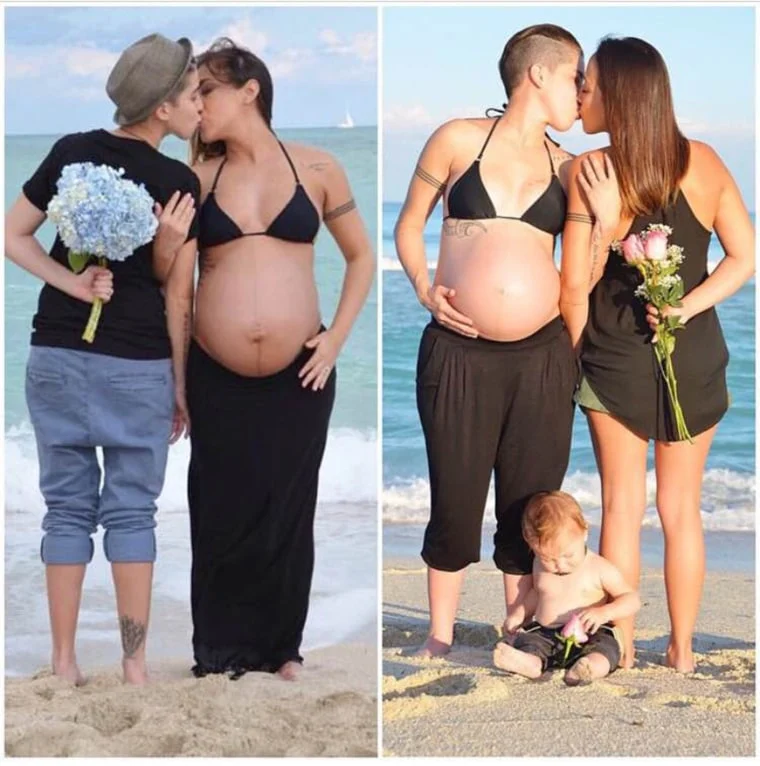
Postpartum Body Changes: Why They Happen and How to Cope
Hair loss is another common postpartum body change that can be alarming for new mothers. During pregnancy, the increased estrogen levels keep hair in the growing phase, making it appear thicker and fuller. However, after childbirth, these hormone levels drop, and hair can enter a resting phase, leading to hair loss. This hair loss is temporary and should resolve itself within six to twelve months. Maintaining a healthy diet and taking care of one’s physical and mental well-being can help reduce the severity of postpartum hair loss.
Breast changes are also a significant body change that occurs after childbirth. During pregnancy, the breasts prepare for breastfeeding, causing them to increase in size and become more sensitive. After giving birth, the breasts produce milk, and this can lead to engorgement, making them feel heavy and uncomfortable. As a new mother breastfeeds, the breasts will continue to change in size and shape, and this can be challenging to cope with. It is essential to seek support from healthcare professionals and use comfortable and supportive nursing bras to help cope with these changes.
In addition to physical changes, postpartum body changes can also have a significant impact on a woman’s emotional well-being. The pressure to bounce back to one’s pre-pregnancy body, societal expectations, and comparison to others can all contribute to feelings of insecurity and low self-esteem. It is crucial to remember that every woman’s body is different, and it is normal for bodies to change after pregnancy. Seeking support from loved ones, practicing self-care, and focusing on the amazing journey of motherhood can help new mothers cope with these emotional changes.
In conclusion, postpartum body changes are a natural and expected part of the postpartum journey. Weight gain, stretch marks, hair loss, and breast changes are all common changes that occur after childbirth. It is essential to have patience and practice self-love and self-care during this time. Embracing these changes and focusing on the incredible feat of growing and giving birth to a baby can help new mothers cope with these changes and embrace their postpartum bodies.